10 albums that bands didn’t survive making
 Posted On
‘”The Spaghetti Incident”‘ – Guns N’ Roses
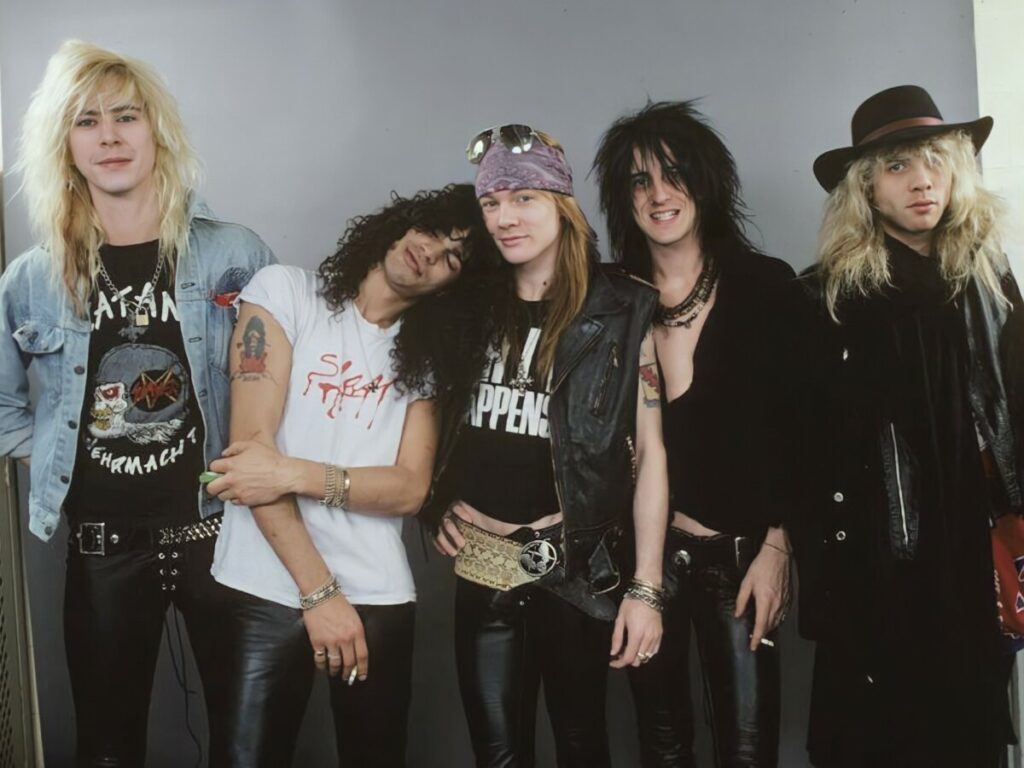
In theory, a covers album should be the easiest thing in the world. No one has to worry about the kind of songwriting tropes that every other album has, and getting back in touch with the songs they loved as a kid might be a great way of breaking up the monotony in the studio. But when Guns N’ Roses were thrown right back into the studio after the Use Your Illusion, all fans heard was the sad sounds of a band wanting to die.
From the first few notes of “The Spaghetti Incident”, there’s already a sad feeling in the air. ‘Since I Don’t Have You’ is a decent song for them to cover and there are a great collection of everything from old-school rock and roll to punk tunes sprinkled throughout the mix, but since no one was getting along and were virtually in two different creative worlds, it’s easy to look at each song as a chore that they have to complete rather than a genuine artistic leap forward.
Aside from the genuine shock value of hearing them cover one of Charles Manson’s tunes, their covers game would be even worse going forward, with Slash eventually singling out their version of ‘Sympathy for the Devil’ from Interview with a Vampire as the moment when the band broke up. Then again, anyone who was cutting themselves loose from the Guns camp at this point was probably doing it for their own sanity.
‘Standing on the Shoulder of Giants’ – Oasis
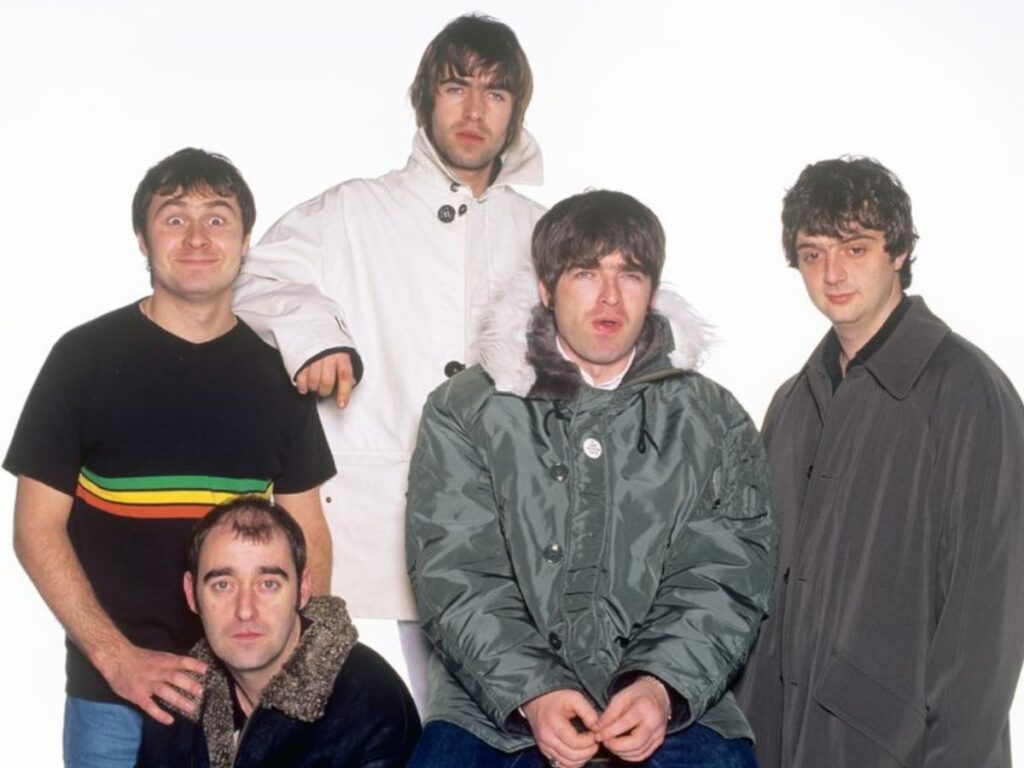
The massive afterglow of Oasis’s Be Here Now was too blinding to ignore. It may have been one of the harshest listens that the 1990s ever spat out, but it earned enough money for them to be considered legends of rock for that decade, especially since their tour became the kind of debaucherous affair rock fans only dream of. Whenever someone comes down off that high, though, the withdrawal symptoms are always going to be noticeable.
Although the real freefall for the band began midway through the tour, their disintegration started happening midway through Standing on the Shoulder of Giants. Noel was still the primary songwriter and had written some moodier material, but when he started laying down strict ground rules about what was allowed in the studio, both Guigsy and Bonehead figured that they couldn’t take it any more, with the rhythm guitarist leaving in style after an altercation when he poured a bottle of wine over someone.
The band did carry on to some extent, but the true magic of the 1990s lineup was gone for good. Both Gem Archer and Andy Bell are magnificent players in their own right and added a lot to what made Oasis sustain themselves in the 2000s, but the massive roar of Bonehead’s guitars was lost forever, and no matter how much Noel talks himself up, his six-string partner’s contributions were going to be sorely missed.
‘The Center Won’t Hold’ – Sleater Kinney

The biggest issue for any band to get over is creative differences. Most people know to leave topics like politics and religion at the door when they have their instruments on, but if someone thinks that their band is going in a different way than they want, the last thing they’re interested in doing is being in a group they can’t get behind. And for all the symmetry that Sleater-Kinney had with each other, the cracked picture on the front of The Center Won’t Hold wasn’t put there by accident.
All of their albums since The Woods had been spectacular up until this point, but when Corin Tucker and Carrie Brownstein started using more electronic elements, Janet Weiss was never going to be happy. Her drumming was a huge part of what made their music ferocious ever since the days of Dig Me Out, and even if she was pushed into a background role on some of their other albums, this felt like the first time that she was deliberately blocked out of the room in some regards.
While she did get a handful of drum hero moments before she left, it didn’t take long for her to decide not to stick around, eventually announcing her departure midway through the accompanying tour. Then again, if the band wanted to move in a different direction, some of her performances on the record may have been a case of her “quiet quitting” on songs that she would have rather unleashed hell on.
‘Wildflowers’ – Tom Petty

It’s hard to really talk about any of the Heartbreakers when bringing up Tom Petty’s solo catalogue. Even though Petty only had three official solo albums to his name, he always found a way to bring some of his old buddies back into the mix, even using half of them on Highway Companion with the help of Jeff Lynne. Of all his ventures, though, Wildflowers is a Heartbreakers album in disguise, with the lone exception of one core member not joining the party.
During the lead-up to the record, Stan Lynch knew that he was not clicking with the kind of sound Petty was going for. Ever since Full Moon Fever, him and Mike Campbell had been interested in creating textures, but for someone who was all about playing an album live from to bottom, Lynch never really found his footing, to the point where he started referring to the band as a secondary part of his career after a while.
Although Lynch happily accepted being fired from the group a few months into the production, his turn as a songwriter behind the scenes did feel like the end of an era in some respects. Lynch was the class clown of the group in many respects, and while he had a strong relationship with Petty up until then, seeing him leave was the equivalent of watching two high school friends finally drift apart.
‘The Paper Kingdom’ – My Chemical Romance
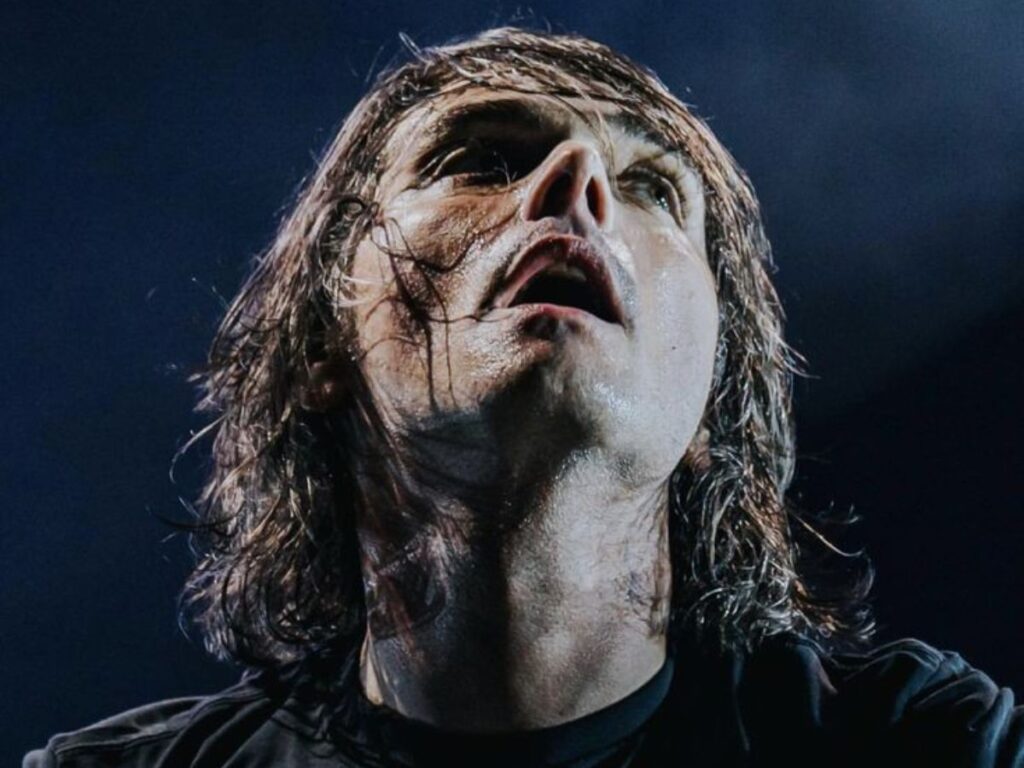
Every single My Chemical Romance album was always based on a certain circumstance. No matter what they put out, Gerard Way was going to make sure that nothing got in the way of him achieving his vision, even if that vision was something a bit darker than what was accepted on the radio. But the album that truly tore the band to pieces was an album that technically no one actually got to hear.
Granted, Way himself said that he saw no point in continuing the band after The Black Parade. He had achieved everything he wanted, and making Danger Days was his way of balancing his attention with the band with his comic book self. It was enough for Way to get the germ of an idea for the next project entitled The Paper Kingdom, but the only material that ever surfaced was the song ‘Fake Your Death’ off of their greatest-hits album, ‘May Death Never Stop You’.
Since the idea was based around a support group of parents who had lost their children, it could have been a natural follow-up to The Black Parade, but if the band ever were to revisit the album, it would be entirely different. ‘The Foundations of Decay’ already hinted at something genuinely disturbing, so maybe it’s time for them to shed the pop-punk side of their sound and dive headfirst into something akin to the early days of The Cure.
[embedded content]
‘Brand New Eyes’ – Paramore

No one is really ready to become one of the biggest artists in the world. Oh, they definitely chase after that brass ring like an Olympic sprinter, but once they actually have it in their hands, they start to realise that maybe they didn’t realise what they were getting themselves into in the beginning. That’s usually a time when most bands jump ship, but the main problem in Paramore was based around their intolerance of each other.
Even though no one wanted to make a part-two to Riot!, Brand New Eyes feels like the mature follow-up that they needed to survive. While the album is louder and angrier in many respects, a lot of people didn’t see that anger was directed inward, since the Ferro brothers had had enough with the rest of the band and ended up walking out on very bad terms. Then again, it doesn’t take a rocket scientist to realise that a line like ‘Ignorance is your new best friend’ might have been a bit too on-the-nose.
To their credit, getting Josh Ferro back in the band on drums is actually one of the great silver linings for the group. It might make some of the tunes from this album a bit more difficult to perform live, but given how much genuine emotion is on here, Paramore found a way past all of the pop-punk labels and hit on something that could stand up next to any other artist clogging up the charts.
‘Made in Heaven’ – Queen
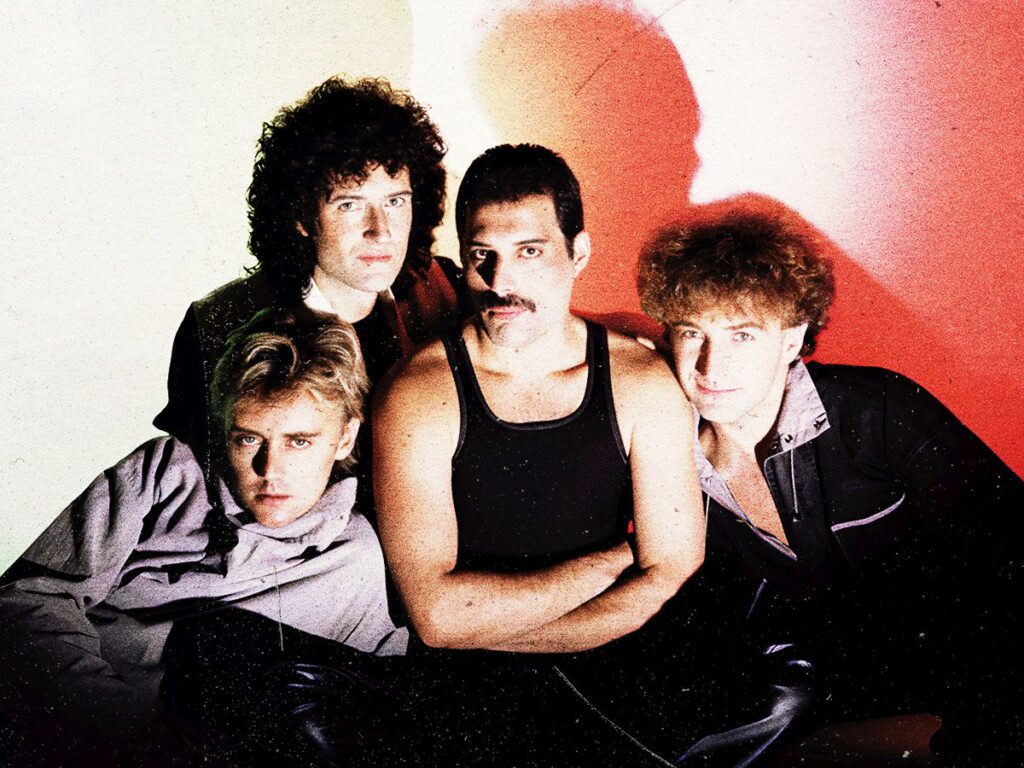
There’s a good chance that Queen would still be going to this day had Freddie Mercury not passed away. He was always indebted to his work, and while that did lead to the band working on some solo projects every now and again, his AIDs diagnosis wasn’t going to stop him from doing what he loved. When everyone figured he sang his swan song on ‘The Show Must Go On’, Mercury wasn’t going to spend his days wasting away waiting for death to arrive.
Right as the band finished Innuendo, Mercury insisted that he keep working, recording everything that he was capable of doing and leaving the demos for the rest of the group to work on once he passed. That’s a tall order for any band to take on, but once Mercury succumbed to his illness, Made in Heaven became the perfect memorial to his life, whether that’s Brian May penning ‘Too Much Love Will Kill You’ or hearing Mercury’s final recorded moments on ‘Mother Love’.
It’s definitely a harsh listen knowing that we will never hear another massive ‘Hey-Oh’ in the flesh ever again, but Made in Heaven feels like a fitting send-off to what Mercury was all about. He lived and breathed music until his dying day, and if the gods wanted to take him from this world sooner than most, he was going to make sure he gave everything he had to the crowds that gave him so much.
‘Brainwashed’ – George Harrison
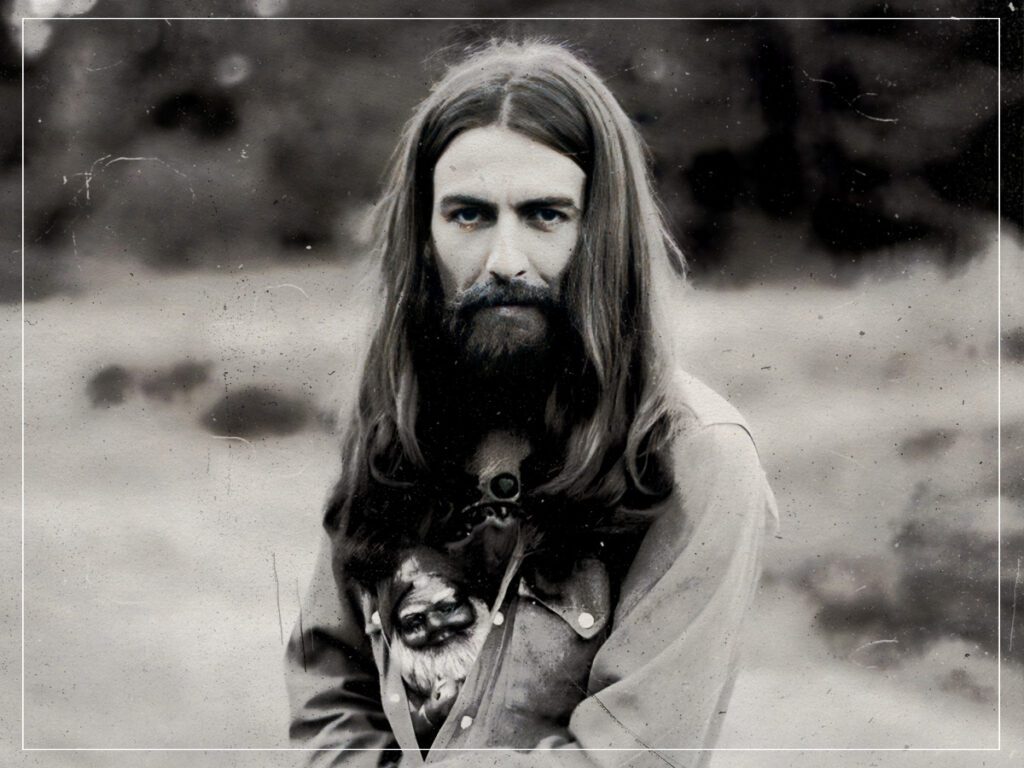
By the time of The Beatles Anthology, it felt like George Harrison had effectively retired from making any kind of music. He had toured with Eric Clapton in the early 1990s, but considering how much fun he had working with The Traveling Wilburys, that felt like a solid-enough place for him to park his legacy, especially when figuring out he was diagnosed with cancer. Harrison did want to leave us with some parting words, though, and it took the duo of Dhani Harrison and Jeff Lynne to make heads or tails of what Brainwashed was.
Although Harrison did get a good chunk of the album done during his lifetime, other pieces had to only go through demo stages for everyone else to look through. And while some songs would have fit perfectly on some of his earlier records, some moments are designed to tie up any loose ends on his life, whether that’s him playing his final hymn to God on ‘Marwa Blues’ or giving people the last few nuggets of wisdom to chew on in the title track.
When the final track fades down and we’re left with George and his son harmonising with each other, though, something powerful happens within the heart of every Beatles fan. We have thankfully not known the massive shock of losing the two surviving Beatles, but it’s nice to know that at the time of his death, Harrison was at peace with the world and ready to meet his creator the way he wanted to.
‘The Wall’ – Pink Floyd
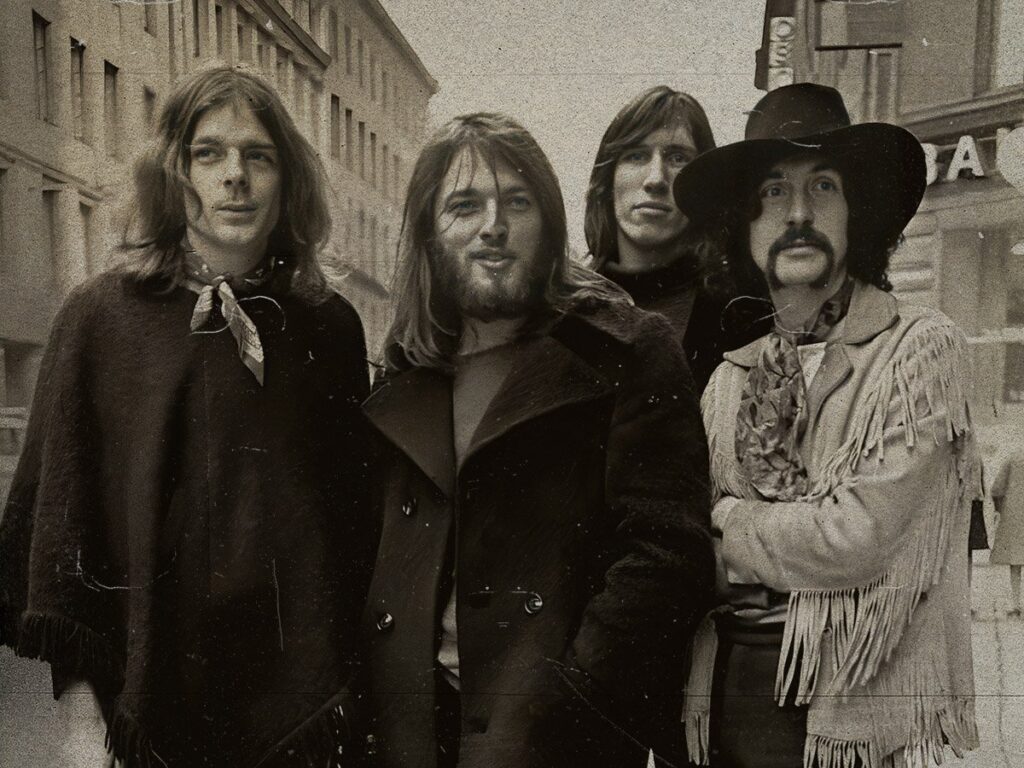
Any chance of Pink Floyd surviving any album after their debut was already a strange miracle. The entire spectre of Syd Barrett hung around them like a ghost from the past whenever they made a record without him, but as soon as Dark Side of the Moon garnered massive success, it was like the world finally figured out the genius they had been taking for granted in the group. But Roger Waters felt that there was room for only one grand designer, and The Wall was the sound of him taking the reins and not letting go.
In all fairness, The Wall was Waters’s concept from the beginning, and he wanted to make sure that he could see it through the way he thought it should be done. That’s completely fine, but to make sure he got what he wanted, he made sure to push everyone else out of the room, only giving David Gilmour a few credits and firing Richard Wright altogether when he felt he wasn’t playing correctly.
The band did end up carrying on, but since The Final Cut was a glorified Waters album and would signal his departure shortly afterwards, it’s safe to say any of the camaraderie of their early years was gone. There would be another band under the name Pink Floyd headed by Gilmour, and while they were actually able to make some fantastic music as well, it was never going to be the same as before.
‘Tango in the Night’ – Fleetwood Mac
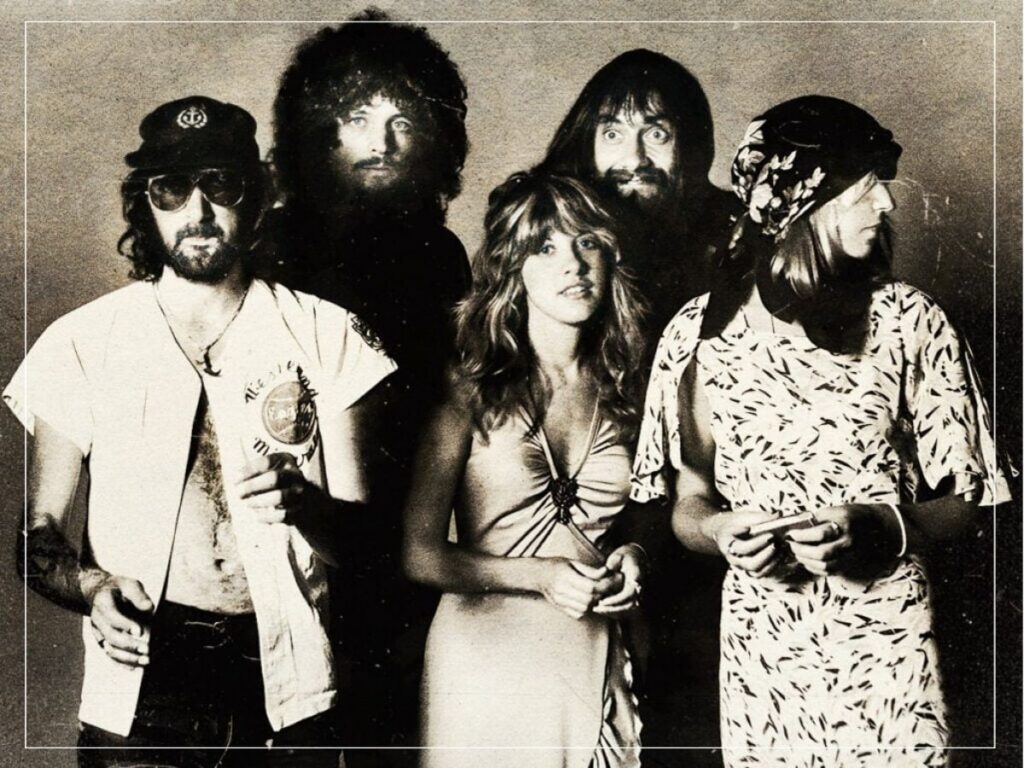
Fleetwood Mac always had a bit of a touch-and-go relationship with each other ever since the making of Tusk. It was nice to see all of them having enough patience to get in the studio to work, but whereas most people were worrying about the drama among the members, the producers were praying that the band could hold out long enough until their records were finished. It was easy for them to work on their own by the late 1980s, though, and Lindsey Buckingham figured he couldn’t take it as a cog in the machine on Tango in the Night.
Granted, the album had the kind of schedule that most people wouldn’t wish upon their worst enemy. Every member was having trouble balancing their careers and addictions, but with Stevie Nicks only showing up a handful of times while working on her solo records, Buckingham ended up feeling like a passenger on his own album, eventually leading to a massive bust-up before they went on tour.
Even though Rumours does deserve a little bit of credit for starting this whole debacle back in the day, Tango in the Night is the moment where no one was willing to compromise for the sake of the group. It took a lot to get them to this point, but when the album culminates in a fistfight between two band members, that’s usually the moment where the nail is officially put in the coffin.