When Spike Lee tried to single-handedly kill a genre in one movie: “It was naive on my part”
 Posted On
(Credits: Far Out / MUBI)
We’ve all got those genres that we steer clear from if possible, whether that be high-octane action movies of gory horror films.
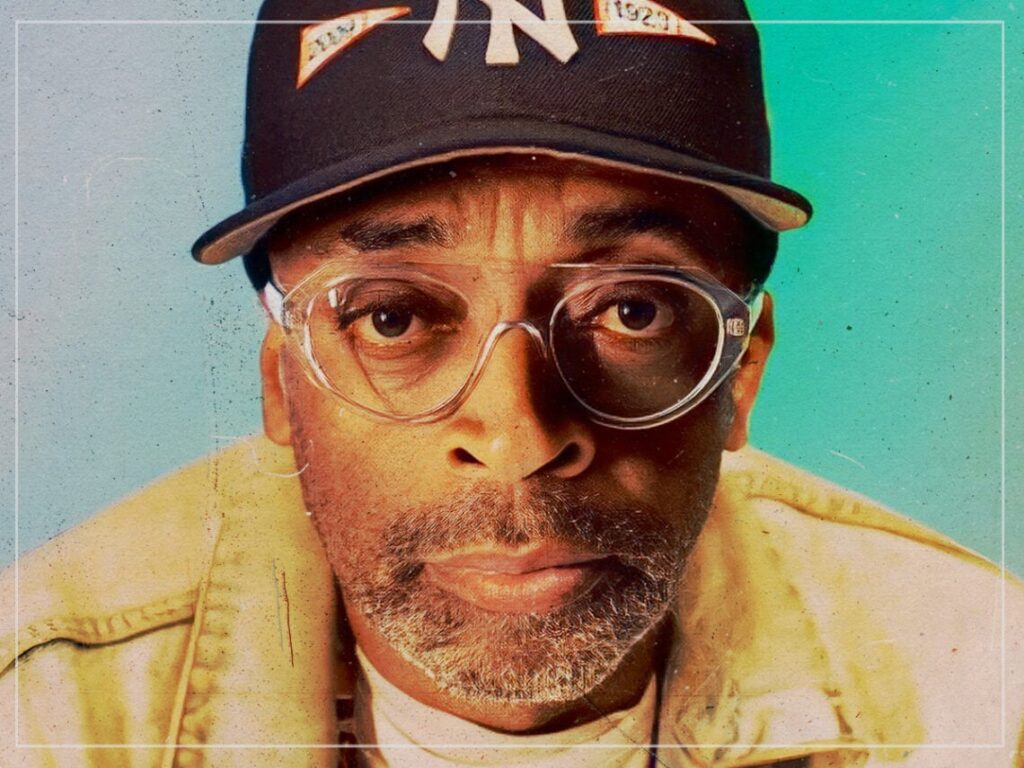
For Spike Lee, there was a certain genre he wanted to take into his own hands, fed up with its direction. The filmmaker, who emerged in the 1980s as a fresh new voice in the independent scene, helped pioneer a new representation for African American characters. In a landscape dominated by white actors and directors, Lee was determined to carve out a space where the lives of Black people could be shown realistically.
He made his directorial debut in 1986 with She’s Gotta Have It, before eventually making his seminal Do The Right Thing in 1989. The film explored tense race relations between an African American community in Brooklyn and the Italian Americans who run the local pizzeria. Racism and police brutality are explored poignantly, and the film, with its electrifying soundtrack featuring ‘Fight the Power’ by Public Enemy, has since become a celebrated classic.
Lee has continued to explore themes relating to the intersection of class, gender, and race over his career, from Jungle Fever to Malcolm X, but when it came to 1995’s Clockers, the director had a specific idea in mind. He was sick of the direction Black cinema seemed to be going in, and he wanted to try and control this with his film, a crime drama that was initially going to be directed by Martin Scorsese.
Once the film ended up in Lee’s hands, he made significant changes, which resulted in a script that was considerably more concerned with race. But why was Lee so worried about a new trend in Black cinema? In the book Spike Lee: That’s My Story and I’m Sticking to It by Kaleem Aftab, the director is quoted as saying, “One of the main things we wanted to do with Clockers— and, really, it was naive on my part—but there had been a rash of these hip-hop gangsta films, and so in my naiveté I thought that this film could end that genre altogether. It had started with Menace II Society and Boyz N the Hood, but now the stuff coming out was horrible. I said, ‘Let’s do something to stop this stuff.’”
Lee found that too many people were jumping on the success that these films had garnered – Boyz N the Hood director John Singleton made history in 1991 as the first African American man to earn an Academy Award for ‘Best Director’ nomination – so perhaps Clockers could do something different. However, Lee has since realised that it’s not up to him. He is arguably the most successful Black filmmaker of all time, but he has soon come to acknowledge that this doesn’t mean he can control the efforts of other Black directors.
According to Mekhi Phifer, who plays Strike in the film, “That may be a personal request of his, but there is no way for anybody to command that sort of respect. Come on, man. That’s like Francis Coppola saying, ‘Now I’ve made The Godfather, there will be no more gangster movies.’ ” While Lee is one of the most respected filmmakers of his generation, there’s simply no way he can decide what kinds of movies get made by others.
[embedded content]
Related Topics