The bizarre 1960s beach party genre and the evolution of the teen film
 Posted On
(Credits: Far Out / American International Pictures)
Teen movies became wildly popular in the 1980s with the rise of John Hughes films like Ferris Bueller’s Day Off, Pretty in Pink, and The Breakfast Club, as well as titles like Fast Times at Ridgemont High, The Outsiders, and Heathers. These works explored a landscape where teenagers were given the space to be messy, troubled, and open to a new world of discovery, and adolescent and adult viewers alike were drawn to these relatable movies.
In the 1990s, plenty of teen-oriented films emerged, like Clueless, Never Been Kissed, and Jawbreaker, as well as Gregg Araki’s Teenage Apocalypse trilogy, which took a more satirical and dark look at adolescence. With the 2000s we saw the rise of Mean Girls, Bring It On, Angus, Thongs, and Perfect Snogging, and Wild Child, all of which blurred the lines between rom-com and high-school drama, taking friendships and self-discovery into account as much as romance.
More recently, teen flicks have ranged from Netflix originals like The Kissing Booth and To All The Boys I’ve Loved Before and dystopian titles like The Hunger Games and Divergent, offering a much bleaker look at coming-of-age. All of the films listed above have been hugely successful at the box office or have come to be considered cult classics, and this is down to the fact that they actually consider the interests of teenagers. But would any of this have been possible without the beach party genre of the 1960s?
During the Golden Age of Hollywood, movies about teenagers weren’t exactly common, but by the 1950s, titles like Rebel Without A Cause and Blackboard Jungle suggested that this was a viable market. Youth culture significantly increased in the 1950s and ‘60s with the rise of media like television and rock and roll, informing new subcultures that attracted teenagers. Post-war, there was a sense of community among many young people, whether that be through biker gangs or drive-in movies, and teenagers became their own proper group.
You can see this in films like 1978’s Grease, which depict the different kinds of ‘50s teenagers well, with the rebels, the virgins, the nerds, and the jocks all finding their designated places in the high-school hierarchy. By the 1960s, with teen culture now a steady fixture of American society, producers were eager to find ways to attract more teen viewers to their films, resulting in various subgenres.
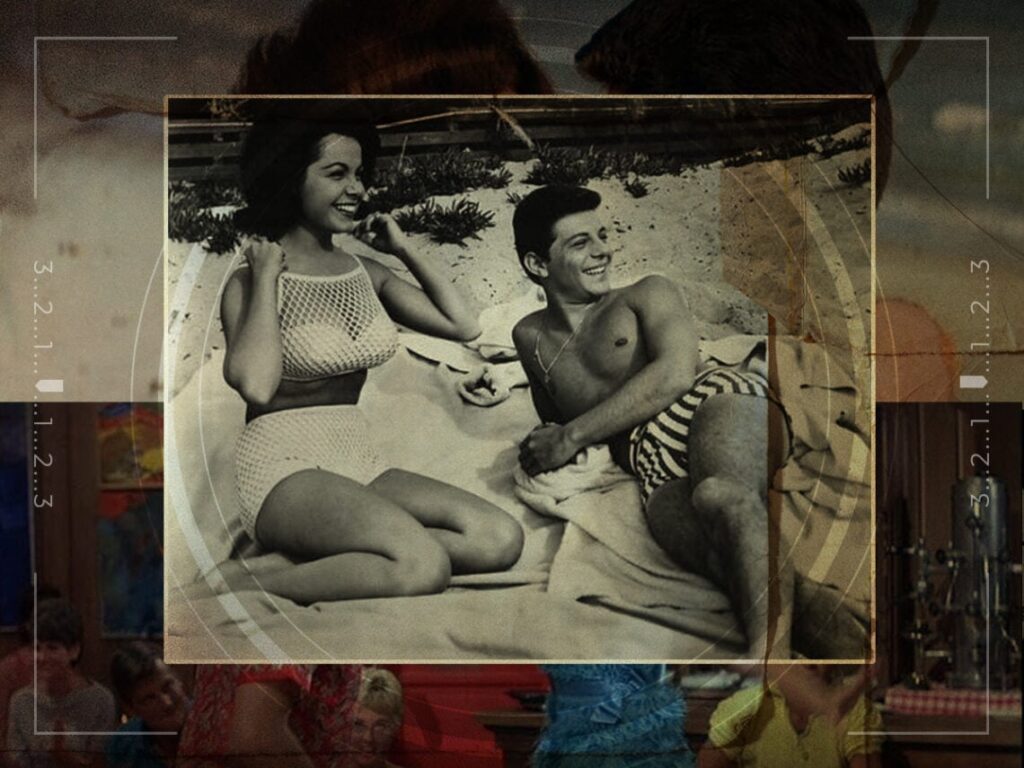
There were the teen movies that fell into the exploitation category, like Herschell Gordon Lewis’ Just for the Hell of It, while there were also teen-centric counterculture films like The Love-Ins. Yet, it was the beach party genre that reigned supreme, beginning with the very aptly-named Beach Party, released in 1963. Starring teen heartthrob Frankie Avalon, the movie was one of several that American International Pictures released, often starring the actor alongside Annette Funicello.
These movies tapped into the increased sexual freedom of the era, although none were actually explicit. Rather, there were a lot of bikinis and surfers, reflecting the period’s obsession with surfing (The Beach Boys were dominating the airwaves), as well as rather standard romantic plotlines. The characters can be seen having fun on the beach and often come into conflict with opposing groups, with these films essentially just selling an unrealistic world of dancing, partying, romancing, and escaping the real world for the summer to young viewers.
Beach Party was followed by Muscle Beach Party, with other films in the AIP series including Pajama Party, How to Stuff a Wild Bikini, and The Ghost in the Invisible Bikini. There were also beach party movies from other production companies, like Ride the Wild Surf and Don’t Make Waves (which starred Sharon Tate). None of these films have been particularly well-remembered, and it’s not a surprise why. They’re campy and very of their time, essentially rehashing the same ideas in the same settings over and over in the hopes of making some money and attracting a reliable audience.
Still, these movies were wildly popular until the end of the decade, with the 1970s welcoming films about teenagers with considerably more complexity. Still, there was room for ‘teensploitation’ movies in the late 1970s and 1980s, which felt like the R-rated successors to beach party films—cranking up the dial on romance and sex, much to eager audiences’ delight, with examples including Porky’s and Risky Business.
So, without these shamelessly fun and ridiculous beach party films, we might not have ended up with the diverse range of teen movies on offer today, which reflect the prominence of teenagers as a profitable group. Teens want to see themselves on screen, and the creators of the beach party movies knew that churning out fun stories set in admirable locations, such as sun-soaked beaches, where parents, grades, and negative consequences didn’t matter, was the key to success.
[embedded content]
Related Topics