Remembering Michael Patrick: The Actor and Writer Who Left a Lasting Legacy
 Posted On
A Life of Creativity and Inspiration
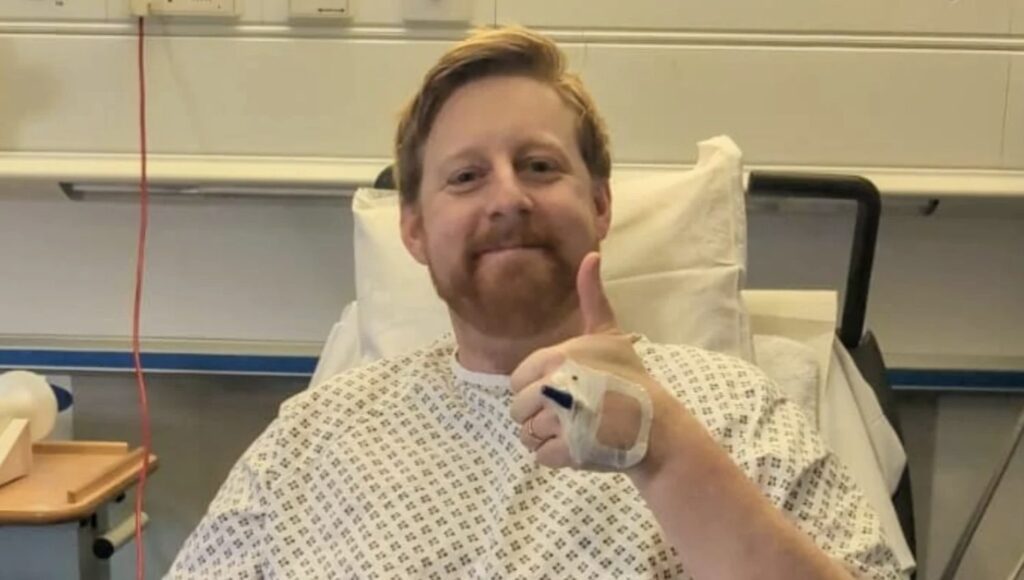
The entertainment industry is mourning the loss of Michael Patrick, a talented Irish actor and writer who passed away at the age of 35. His death follows a valiant three-year struggle with motor neurone disease (MND). His wife, Naomi, shared the heartbreaking news on April 8, 2026, confirming that he passed away peacefully at the Northern Ireland Hospice, surrounded by his loved ones.
Naomi paid a moving tribute to her husband, describing him as an inspiration to everyone who knew him. “He lived a life as full as any human can live,” she wrote. “Joy, abundance of spirit, infectious laughter. A titan of a ginger-haired man.” She also shared a poignant quote from Brendan Behan that Patrick held dear: “The most important things to do in the world are to get something to eat, something to drink and somebody to love you.”
His Role in ‘Game of Thrones’
While Michael Patrick was a multifaceted talent, he is perhaps best recognized by global audiences for his appearance in the cultural phenomenon Game of Thrones. During the show’s sixth season, Patrick took on the role of a Wildling Rioter, contributing to the gritty, immersive world-building that defined the series.
Beyond the Screen: A Prolific Writer
Patrick’s contributions to the arts extended well beyond his on-screen performances. A proud Belfast native, he was deeply committed to storytelling, both as an actor and a writer. He gained acclaim for writing and starring in short films such as My Right Foot. Furthermore, he collaborated with Oisín Kearney to co-write the BBC series My Left Nut, a project that showcased his ability to blend humor and heart in his writing.
Understanding Motor Neurone Disease
Following his diagnosis in February 2023, Patrick became an advocate for awareness regarding motor neurone disease. MND is a complex group of neurological disorders that progressively damage motor neurons—the nerve cells responsible for controlling essential muscle movements such as walking, speaking, and swallowing. As the disease advances, it disrupts the communication between the brain and the muscles, often leading to significant physical limitations. While research continues, there is currently no cure for the condition, making the support provided by organizations like the Northern Ireland Hospice vital for patients and their families.