Who was the real group behind ‘Uncle John’s Band’ in the Grateful Dead song?
 Posted On
(Credit: Alamy)
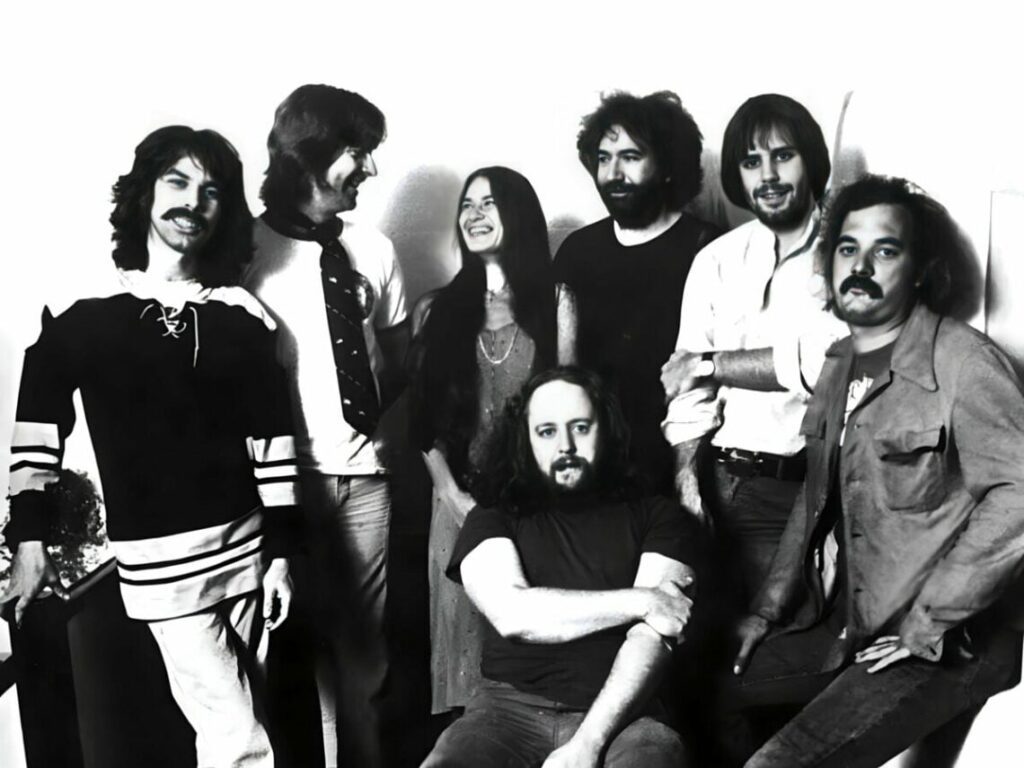
They weren’t just a band, the Grateful Dead were a way of life. And a pretty blood wild one at that.
Leading out the Grateful Dead’s 1970 masterpiece Workingman’s Dead with its sunny pseudo-calypso beat, ‘Uncle John’s Band’ is one of the few songs by the band that ever screamed: SINGLE. Jerry Garcia’s bright melody owes a little to ‘Brown-Eyed Girl’ but a lot more to his own affection for various Southern blues styles. From piedmont to bluegrass, this track is an alloy of jug-adjacent dancehall music.
Over the top of Garcia’s musical composition, Robert Hunter’s lyrics are some of his most philosophical, mixing axiomatic expressions with rustic folk imagery, from storytelling crows to silver mines and violins. “Well, the first days are the hardest,” the song begins. “Don’t you worry anymore”.
It’s interesting, therefore, that the song was written and released three years into the Dead’s recording career, just after their first days as a professional band had passed. It’s as though they were reflecting on their journey to being one of the most popular live bands in American history.
With this in mind, the song feels notably autobiographical. Hunter appears to be talking about the band he’s working with, which valued the experience of being a band more than anything else. His words are a cheerful tribute to the experience he’s had watching them make music at close quarters. In the song’s chorus, he’s simply encouraging others to join him in enjoying what the Dead have to offer:
“Come hear Uncle John’s Band, playing to the tide
Come with me or go alone
He’s come to take his children home“.
But if the Grateful Dead are the “Uncle John’s Band”, then who is “Uncle John” himself? To answer this question, we should hone in on the line, “He’s come to take his children home”.
Is “Uncle John” a member of the Dead, then?
“The band had already been working on the music,” Hunter recalled to Relix in 1980 when he was asked about the track. The Dead then asked him to come up with the words. “The first thing I came up with was ‘Goddamn, Uncle John’s Band’,” he remembered. So, the character “Uncle John” was the first thing that appeared in his mind. “But I thought I could come up with something more universal than that,” Hunter added.
Intending towards universality, Hunter actually revealed more about the likely identity of the titular character leading the band in the song. The idea that Uncle John would “take his children home” gives the impression of someone who’s a father figure to his bandmates. Well, there’s only one figure in the Dead who fits that description. One Jerome John Garcia.
With the exception of bass player Phil Lesh, Garcia was the oldest member of the Grateful Dead. He was the undisputed leader, even when he wasn’t much of a frontman in the band’s early days, and was responsible for turning them into a well-oiled professional outfit capable of touring the country for several months at a time or recording two studio albums in a single year.
So, was Jerry Garcia the uncle in question?
Perhaps when the phrase “Uncle John’s Band” came to Hunter, he thought “Uncle Jerry’s Band” on some level. It just didn’t suit the song’s metre, and he was probably reluctant to give too much away about its meaning to the man who’d be singing it. Jerry Garcia wasn’t the type of person who’d be overly happy eulogising himself in the third person, after all.
Yet the track’s off-kilter, Southern Creole rhythm and light, colourful instrumentation paint the perfect picture of the spirit with which Garcia imbued his band. While he worked them hard, he must have been a joy to work with, record with and tour with. And so, his songwriting partner thought it was only right to turn one of the happiest pieces of music the Dead ever recorded into a homage to its composer.
As for “his children”, well, that sense of homely guidance from up high could apply to his audience just as much as it could apply to his fellow bandmates. This is a beautiful sentiment that typified the Grateful Dead’s sense of communal leadership where fans were as firm a part of the picture as the group themselves, and even on their defining hit, the anointed idol humbly went by a pseudonym
[embedded content]
Related Topics