What exactly is the point in live-action remakes of animated movies?
 Posted On
(Credits: Far Out / Walt Disney Studios
Motion Pictures)
An optimist might believe that the film industry is built on creativity and true artistic expression, but the sad reality is that Hollywood’s main aim is to earn as much money as possible. That can surely be the only explanation for the amount of shameless remakes churned out by the industry at an alarmingly rapid pace, including live-action adaptations of animations. What is the point?
This is a trend that has become rather popular lately, with the latest example being Lilo & Stitch, directed by Dean Fleischer Camp. Mixing live action and CGI to create an updated version of the beloved Disney tale of family and connection, the film has already grossed $775.8 million since being released in May 2025, which is $502.7m more than what the original 2002 movie grossed.
Evidently, financial gain is the point. Not only will fans of the original movie flock to see the remake (and we all know there’s no shortage of Disney adults out there), but children will also be eager to see the film, making it a guaranteed success. The movie has received rather positive reviews, but the actual point of the movie – besides earning a staggering amount of money – still stands in question. While multiple adaptations of classic stories (like the many versions of Dracula or Pride and Prejudice that exist) can be a good thing, welcoming different interpretations of enduring tales, this is simply not the case. The Lilo & Stitch remake simply feels like a new way to take pre-existing IP and change it just enough to get people to buy a cinema ticket.
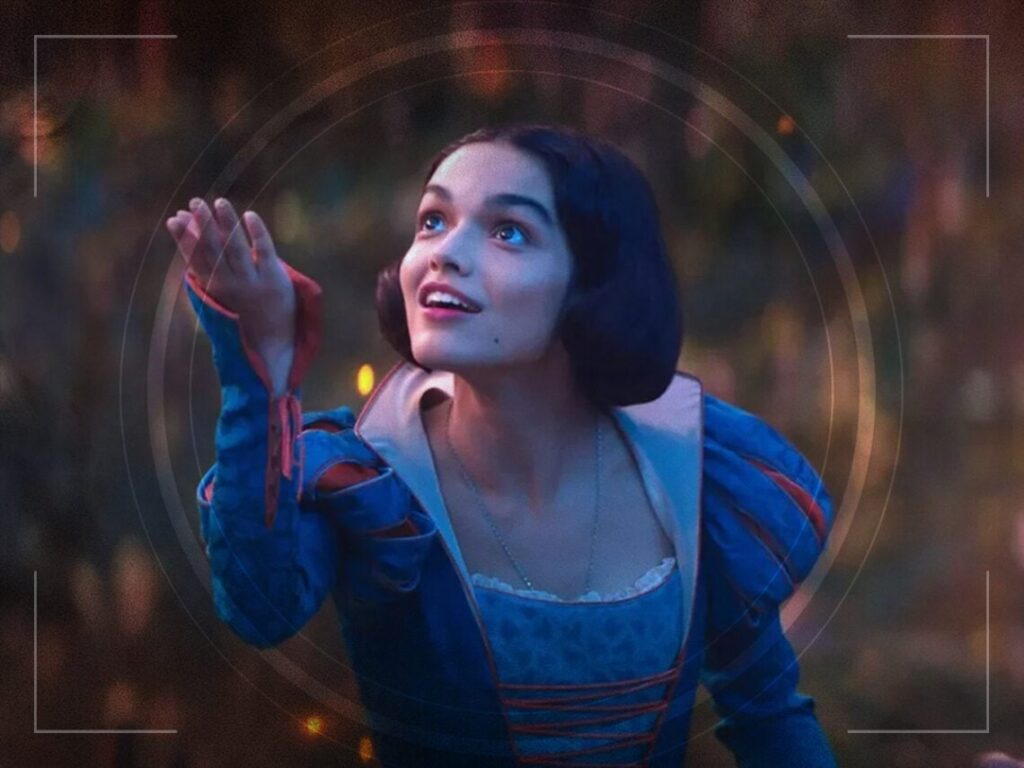
Recently, we’ve also seen a live-action version of Snow White, a new take on Snow White and the Seven Dwarfs, that was quickly panned by critics. From its ugly CGI to its questionable casting of the stiff (and endlessly problematic) Gal Gadot, people couldn’t understand the point of the remake. The original Disney film is a timeless classic for a reason; we all know the songs, and the animation style is nostalgic. What is Disney gaining from making a Hollywoodized version without the charm of the original besides profit?
While live-action versions of Snow White have emerged before in the form of movies like Snow White and the Huntsman, it’s this experimentation with established ideas – turning them into something darker or considerably different – that makes them passable, and in certain instances, genuinely great. Look at the adaptations of Alice in Wonderland that exist. While the 1951 Disney film is the best known, the story has since seen live-action versions in the form of Jan Švankmajer’s Alice (which also contains stop-motion) and Tim Burton’s Alice in Wonderland, to name just a few, which offer interesting and creative approaches to the story.
The real issue is when a studio makes a vapid, soulless live-action version of an animated movie that fails to capture the essence of the original story. Was there any need for Robert Zemeckis to make a live-action Pinocchio in 2022? It received a handful of Razzie nominations, with people wondering what the point of the film actually was besides making fans angry. You can usually tell when a movie is made with profit in mind rather than as a genuinely innovative approach to putting a new spin on a well-known story.
Sadly, Hollywood is becoming increasingly concerned with big-budget productions that can make hundreds of millions, or even billions of dollars. As the industry has grown, it has become unstoppable, and the quickest way to guarantee profit is to rehash an idea that already exists, and it seems like live-action remakes of beloved animated movies are the latest trend.
[embedded content]
Related Topics