The song that inspired Terry Hall to form The Specials: “More than any other”
 Posted On
(Credits: Far Out / Press)
“I always believe if you make a record and four people get it then you will be communicating.” – Terry Hall (1959 – 2022)
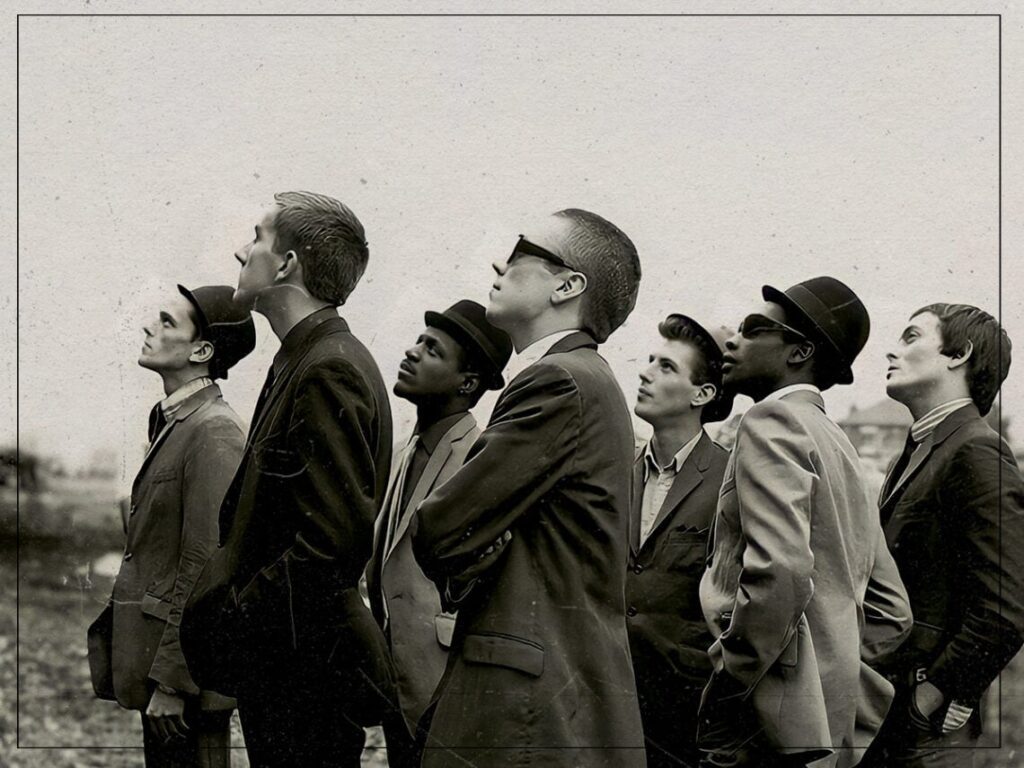
Forever associated with the UK musical tapestry and the ska revival in punk’s aftermath that scored the country’s disaffection, Coventry singer and all-round music legend Terry Hall looms large in British cultural consciousness.
Fronting the 2-Tone seven-piece The Specials for their classic eponymous 1979 debut LP and singles ‘Gangsters’ and ‘Rat Race’, Hall and the group’s mod aesthetic and punk-infused rocksteady won them a legion of fans in the working-class corners of the nation. Founded as a reaction to the spike in the National Front’s popularity and economic malaise, The Specials’ initial body of work serves as a potent document of the UK’s troubled social history.
To forever pigeonhole Hall as the ‘face of ska’ does him a creative disservice, however. Splitting at the zenith of their success after ‘Ghost Town’s’ haunting capture of Thatcherite decline, Hall, along with fellow Specials Neville Staples and Lynval Golding, formed the new wave group Fun Boy Three, collaborating with Bananarama and writing one of The Go-Go’s biggest hits, before jumping ship again for the acoustic pop of The Colourfield.
Even The Specials, during their classic line-up, embraced creative terrain miles away from their ska foundations, incorporating everything from elevator muzak and flashes of psychedelic post-punk on 1980’s superior second LP, More Specials. But it was always profundity that he was searching for, as he said of a moment he wept at a Daniel Johnston gig, “That’s when music seriously touches you.” He always looked to deliver that, in turn, even via a very disparate delivery.
Despite such stature in UK music and being touted as the ‘voice of a generation’, Hall was diffident about aspects of British punk and its earnest aversion to pop mystique. While talking to The Guardian in 2009 about the “songs of his life”, Hall elaborated candidly: “I preferred the American punk bands to the British ones.”
It’s a bold statement that certainly wouldn’t have landed favourably with fellows like John Lydon. But Hall continued, “Richard Hell did vocals with sweets in his mouth because he didn’t really want to be understood. He’s got an amazing nervous cough, which might have something to do with the sweets.” There’s certainly a wry smattering of The Specials in that act alone.
Hall went on to add shade to UK punk’s lauded heritage: “I didn’t really like the McLaren/Westwood angle on punk, of making everyone look styled. In the Voidoids, somebody would be bald, and somebody would have long hair. It didn’t matter. With Richard Hell, I imagined that he couldn’t really do anything else, whereas I could imagine the bass player in The Damned fixing my plumbing.” But Hell was a born punk. In fact, he practically created the genre.
One of the first of the emerging punk wave to play New York’s CBGB after initially founding Television along with Tom Verlaine before a brief stint as one of Johnny Thunders’ thundering Heartbreakers in the mid-1970s, Richard Hell, was already a stalwart of the scene by the time of his debut album with The Voidoids.
Recruiting a pre-Ramone Marky for drums, 1977’s Blank Generation cut a heady mix of his love for Bob Dylan’s literate songwriting, The Velvet Underground’s avant-garde decadence, New York’s manic spirit, dark noir cinema classics like Kiss Me Deadly, and the feral garage rock of The Stooges, all swirling together with bristling energy on the album’s acclaimed title track.
Selecting songs celebrating 40 years of 2-Tone for BBC 6 Music back in 2019, Hall returned to his love of Richard Hell, selecting his defining cut and speaking sincerely about its indelible impression: “I’m going to leave you with Richard Hell and the Voidoids and the song that made me want to form a band more than any other. It’s called ‘Blank Generation’.” And Hall is far from the only one who was dragged up by the bootstraps of this searing punk masterpiece.
[embedded content]