The singer who left Peter Gabriel speechless: “Just beyond words”
 Posted On
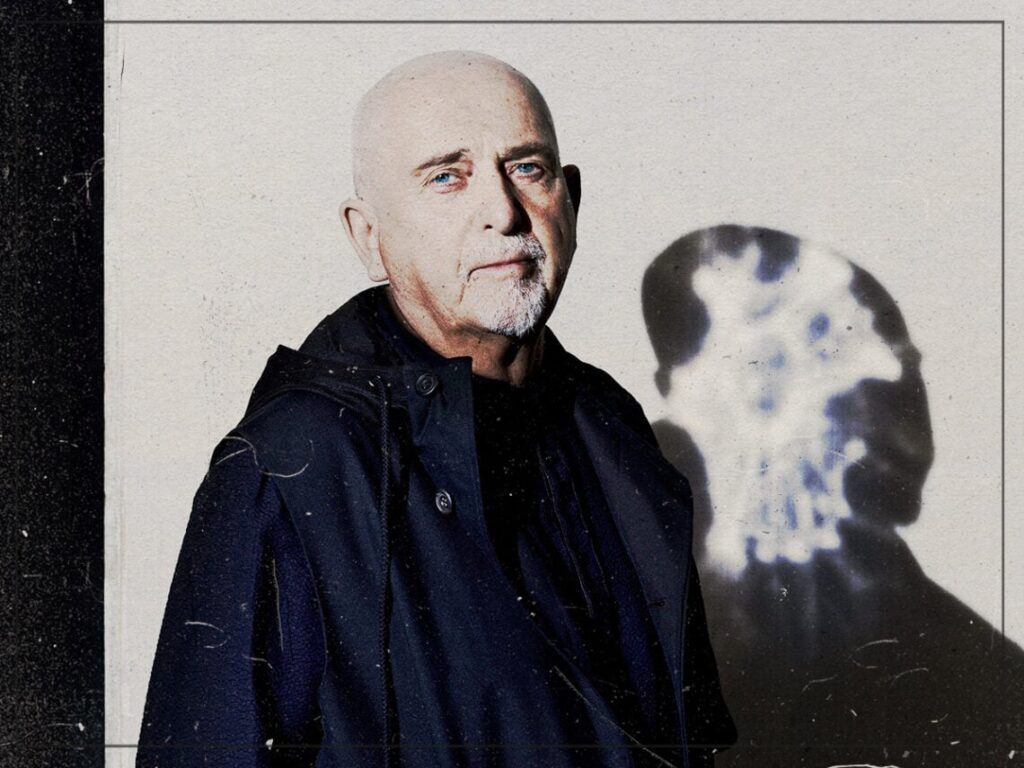
(Credits: Far Out / Nadav Kander)
Innovation, according to Peter Gabriel, goes beyond simply listening and is all about the experience of music itself.
It’s the reason why most of his favourites hinge heavily on the visual aspect of musical creativity, like Talk Talk’s Mark Hollis or Radiohead, because there’s a constant sense of pushing boundaries that views music as a real art form, both in the audio sense and the visual aspect.
In the 1980s, Gabriel made a name for himself based on exactly that: bringing music to life, quite literally, with immersive and creative imagery and artistic concepts that both enticed and challenged the viewer (and listener). It’s one that’s discussed to death, but ‘Sledgehammer’ remains the pinnacle of Gabriel’s distinctive vision and approach to music, especially in terms of his broader ethic when pushing to make something work, no matter what.
Famously, ‘Sledgehammer’ coasted the line between labour of love and intensely laborious task, with Gabriel filming the video one frame at a time and sometimes lying there for up to 16 hours at a time. The result is magnetic, a masterful ode to putting the hours in and getting magic at the end of it, and how mixing animated stop-motion with other tech aspects set the bar high, one that Gabriel knew no one would ever reach, at least, not for a long while. As he later reflected, “It took a lot of hard work. I was thinking to myself, ‘If anybody wants to copy this video, good luck to them.’”
The song was recorded for Gabriel’s fifth album, So. Sonically, one of the biggest influences on Gabriel at the time was soul, especially talents like Otis Redding, whom he witnessed years before the creation of hits like ‘Sledgehammer’ and carried with him along the way.
Seeing Redding and Jackson was such a formative experience for Gabriel that nothing ever came close to it, so much so that it ended up shaping his own work. In fact, years after Gabriel would see Redding perform with his trumpet player, Wayne Jackson, in the 1960s, Gabriel would call up Jackson to play on ‘Sledgehammer’, looking for a way to capture the live element that left him awe-inspired all those years ago.
As he reflected to Louder, “I got to see Otis Redding in 1967 at the Ram Jam Club in Brixton. It was a bit of a moment for me.” He also said that it was also the “best gig” of his life and that nothing has ever “surpassed” it. He went on, “I’ve never really been a technical singer as such, or a musician. I’m someone who goes for the feel of something and tries to build pictures. And hearing the voice and the emotion of Otis Redding was just beyond words.”
Beyond the magic of Redding, Gabriel was inspired by the sounds of Stax in a more general sense, especially when it came to fleshing out sound dynamics and making it sound as authentic as possible when recorded. It was also about making the brass element feel as expressive as possible, in coordination with the sharp dramatics of the music video itself.
The result was a concoction of innovative qualities that fit together explosively, from the subtle nostalgia of recreating the sounds of a specific era to the more forward-thinking practice of utilising animation in a more modern sense. And the music itself is actually good, still holding up today as a masterclass in timelessness and precision.
What’s more, its themes of desire seem to fall away to the sidelines, a background element overshadowed by the whimsical nature of the video. Though this isn’t necessarily a bad thing, it proved just how many facets went into making one of the greatest songs of all time, like its secrets are all there in plain sight, waiting to be discovered whenever you revisit.
[embedded content]
Related Topics