The prog rock band that reminded John Lennon of The Beatles: “True sons”
 Posted On
(Credits: Far Out / Alamy)
Despite many opinions of famous bands to the contrary, there is no such thing as a truly original band, and if there was, there is a good chance it would be unlistenable. Whether you are a grime artist or fully immersed in industrial noise, most throughlines of music can find their way back to The Beatles through one way or another.
It’s impossible to quantify the amount of influence The Beatles had on every generation of rock music. Although they may have only been around for ten years, the amount of ground the Fab Four covered in that period still reverberates throughout the rock scene, with every single artist pulling from their playbook since then. Although John Lennon would see his influence in many bands that came afterwards, he considered one progressive rock giant one of the foundational pieces of the post-Beatles years.
Looking back on their different twists and turns, it would be easy to categorise The Beatles as one of the first progressive rock bands. While acts like Pink Floyd may be more indicative of what the genre would sound like later down the road, their different creative leaps on tracks like Revolver and Sgt Pepper were the foundation of many artists that came after them, using the studio like an instrument to create sonic worlds that no one else had made before.
Until the very end, the band also dipped their toes into avant-garde territory by being one of the pioneers of the synthesiser, incorporating the instrument into various tracks on the album Abbey Road. While they were in the final stages of their existence, another band slowly gained their footing on another side of England.
Forming as the result of coming together as schoolboys, Peter Gabriel and Tony Banks put together the first pieces of what would become Genesis. Not interested in writing the kind of straightforward rock tunes they heard on the radio, their first steps into the rock consciousness would see them incorporating different episodic passages into their music, like on tracks like ‘The Knife’.
As the band grew as a creative entity, Gabriel would also layer different theatrical elements during the show, turning the show into a spectacle when promoting albums like Foxtrot. While each of The Beatles had begun to fade into their solo careers, guitarist Steve Hackett remembered getting the ultimate compliment when talking with Lennon about his group.
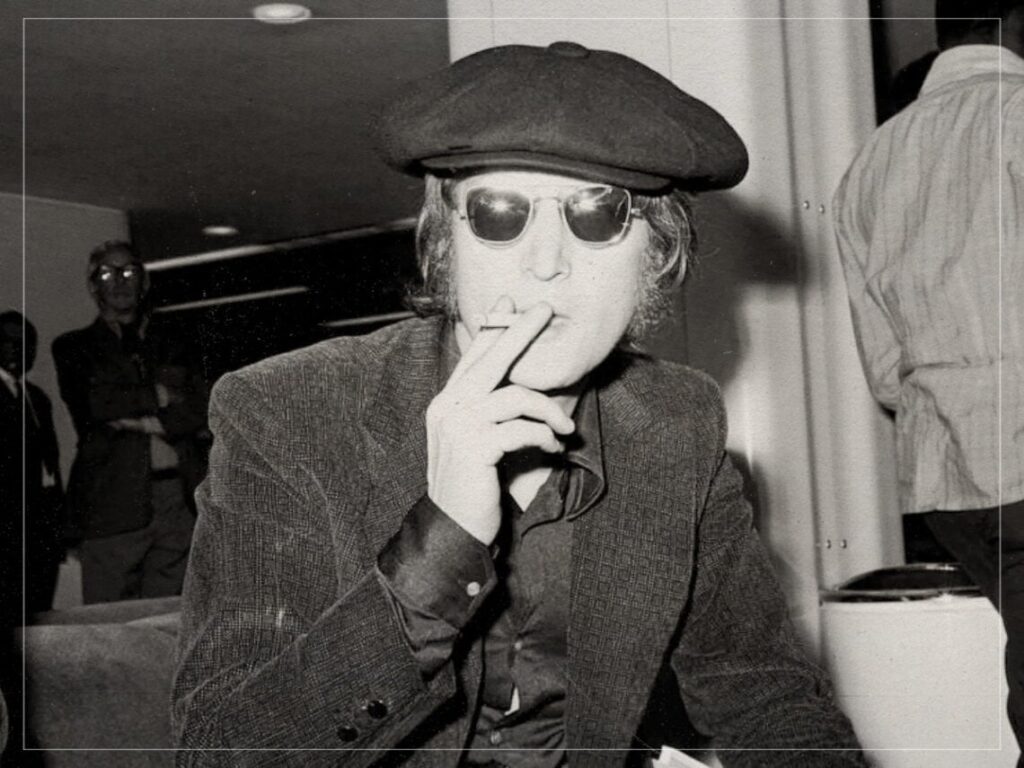
Recalling a conversation that he had with Lennon, Hackett claimed that Lennon thought Genesis was carrying on the tradition that The Beatles had started, telling Goldmine, “He turned out to be a big Genesis fan, calling us true sons of The Beatles, which was rather lovely. It’s the best review I’ve ever had.”
Genesis are another such band who it would not seem are particularly affected by The Beatles. But really, that speaks to how deeply embedded into the culture the Fab Four were. It wasn’t so much that their musical sensibilities affected everything, though one might put their concept albums as forefathers to the prog rock explosion, it was their huge cultural impact. For a group of British bands-to-be, The Beatles showed them that they could break out of this little island and take on the world.
Genesis wasn’t the only one to earn such high praise from Lennon. The Liverpudlian’s other favourite groups included Electric Light Orchestra, headed by resident Beatles superfan Jeff Lynne. Although Genesis may have started by making various strides as a progressive rock band, the rest of their career would be spent reinventing themselves as pop stars.
After the departure of Gabriel, their second stint with Phil Collins coming out from behind the drumkit saw them turn into bonafide superstars, ushering in the next era of pop rock with songs like Invisible Touch. Unlike The Beatles, who started as a commercial rock band and became progressive later, Genesis is the ultimate example of starting complicated and learning to make radio-ready hooks.
[embedded content]
Related Topics
The Far Out Beatles Newsletter
All the latest stories about The Beatles from the independent voice of culture.
Straight to your inbox.