The one guitarist Slash always found hismelf trying to be: “Without me even knowing it”
 Posted On
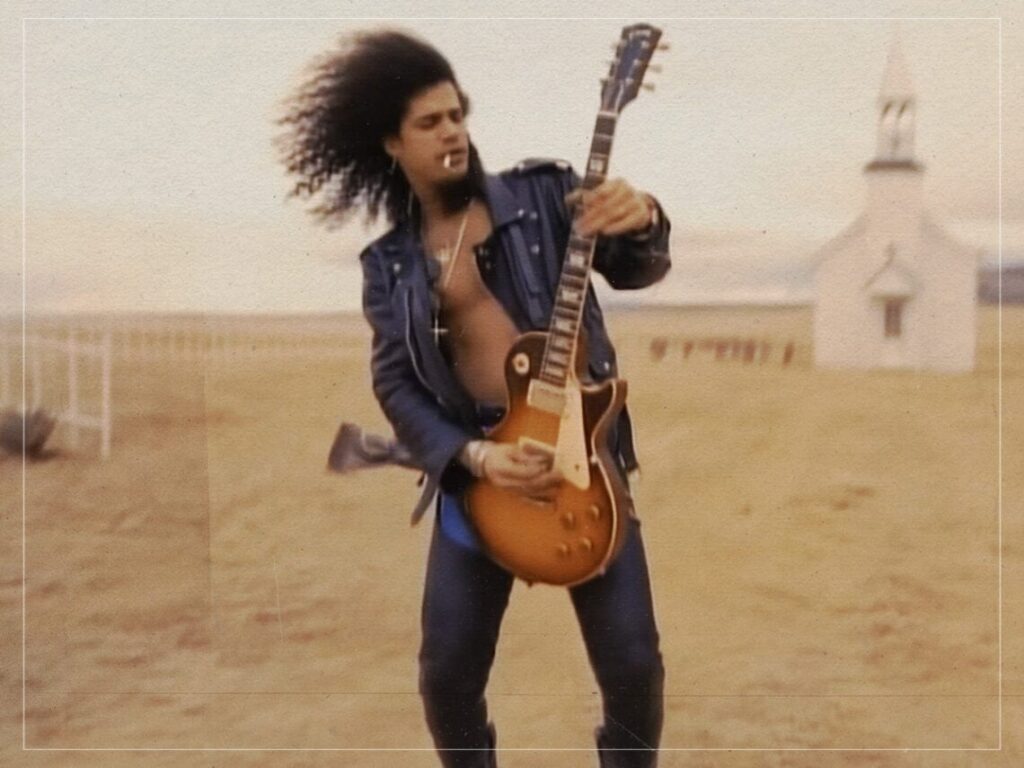
(Credits: Far Out / YouTube Still)
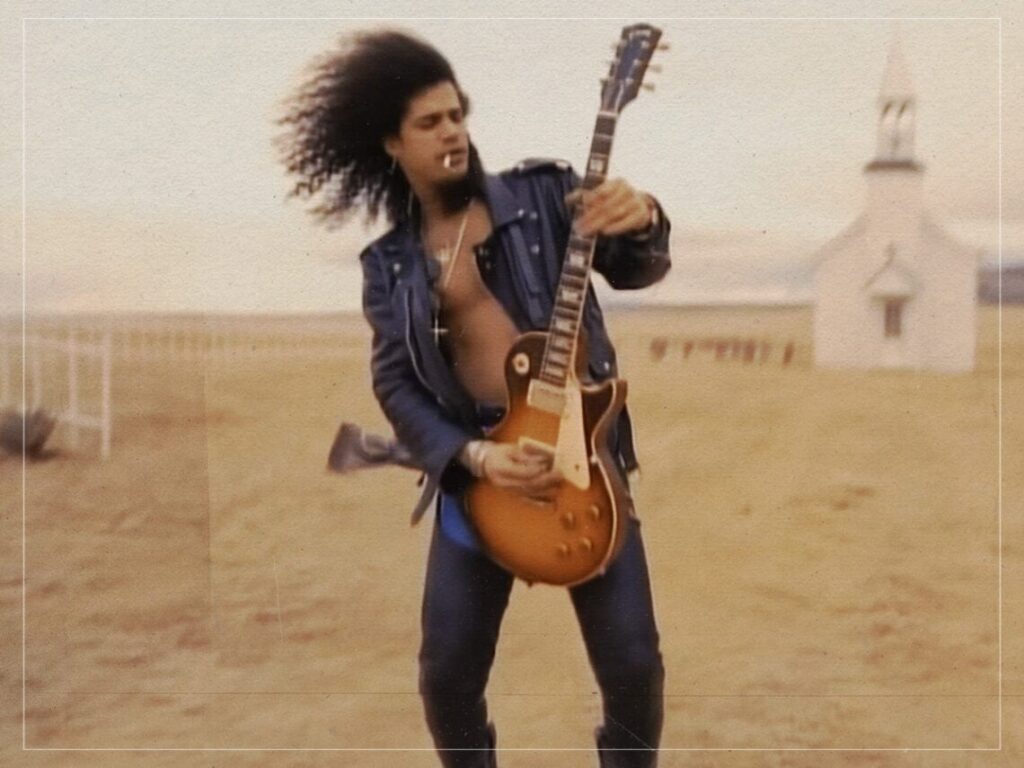
There is an entire generation of guitar heroes that have been indebted to what Slash has done with Guns N’ Roses. Although the hair metal scene had been going strong for years following bands like Van Halen, Slash brought a certain edginess back into rock and roll, following the lead of massive guitar heroes like Eric Clapton and Jimmy Page. While there was a certain bluesy flair in his delivery, one of his biggest influences came from one of the unsung heroes of rock history.
When first listening to music, though, Slash was more familiar with some of California’s sunniest pop music. Spending time between England and California throughout his youth, his mother, Ola Hudson, was known as a clothing designer, creating iconic outfits for artists like James Taylor and Joni Mitchell.
Although Slash was more than happy to listen to whatever music was in the house, things started to change when he heard artists like Aerosmith. When he first bought the album Rocks, Slash knew that he needed to be a guitar player, being drawn to the sound of a grizzled Les Paul blasting out of an amplifier.
While every band wanted to get licks like ‘Black Dog’ under their belt, the genesis of the hard rock guitar riff always returned to The Rolling Stones. Ever since the 1960s, Keith Richards made some of the most incredible riffs known to man, crafting subtle musical passages that captured the primal urgency of rock and roll like ‘Satisfaction’ and ‘Jumpin’ Jack Flash.’
Although Richards was the face of the band’s guitar sound, Brian Jones was the one who truly brought the group together, only to find himself out of step with the rest of the group towards the end of the 1960s. Quickly being replaced by Mick Taylor at the end of the decade, the band were about to go on an insane run of albums that no other artist could have dreamed of.

Throughout projects like Sticky Fingers and Exile on Main St, Taylor adds gentle melodic flourishes to every classic riff Richards was spitting out. Despite the massive influence of Richards on legions of guitarists, Slash thought that he took more inspiration from how Taylor approached his leads.
In a 1995 interview with Jan Wenner, singer Mick Jagger said of Taylor’s contribution to The Stones: “I think he had a big contribution. He made it very musical. He was a very fluent, melodic player, which we never had, and we don’t have now. Neither Keith nor Ronnie Wood (who replaced Taylor) plays that kind of style. It was very good for me working with him …. Mick Taylor would play very fluid lines against my vocals. He was exciting, and he was very pretty, and it gave me something to follow, to bang off. Some people think that’s the best version of the band that existed”.
When talking about the guitarists that shaped him, Slash felt that Taylor was an essential part of his musical DNA, telling Louder, “Mick Taylor of The Rolling Stones had the biggest influence on me without me even knowing it. As I got older and started playing guitar, I always gravitated to his sort of style. People always mention Jimmy Page and Jeff Beck and Angus Young – all the obvious ones – but there’s guys like Mick Taylor and Joe Walsh that were as important. [He] had this really cool, round-toned bluesy sort of thing that I thought was really effective.”
Taylor’s use of bluesy sounds, but drenched in the bustling rock sound that seemed so integral to The Rolling Stones, would provide an unconscious platform for Slash. With Guns ‘N Roses, the big-hatted six-string icon would use a similarly well-balanced method of nodding to the past while aiming straight for the modern to make the group one of the most dangerously brilliant outfits in rock.
Compared to the rest of The Stones’ catalogue, though, Taylor’s delicate touch on lead guitar was a preview of what Slash would do years later. Rather than take every solo to grandstand, Taylor’s tone was perfect for every track he played, featuring tasteful bends and favouring familiar tones between the chords that created tuneful melodies on every lead break.
Listening to Guns N’ Roses’s back catalogue, Slash has always employed the same technique, making songs like ‘November Rain’ with that signature rounded tone that Taylor had done years before. Although Slash has developed a sound all his own, his melodic sensibilities on guitar carry on the traditions that Taylor started.
[embedded content]