The one genre Ethan Hawke will never take seriously: “It’s not Bresson, it’s not Bergman”
 Posted On
(Credits: Far Out / Bryan Berlin)
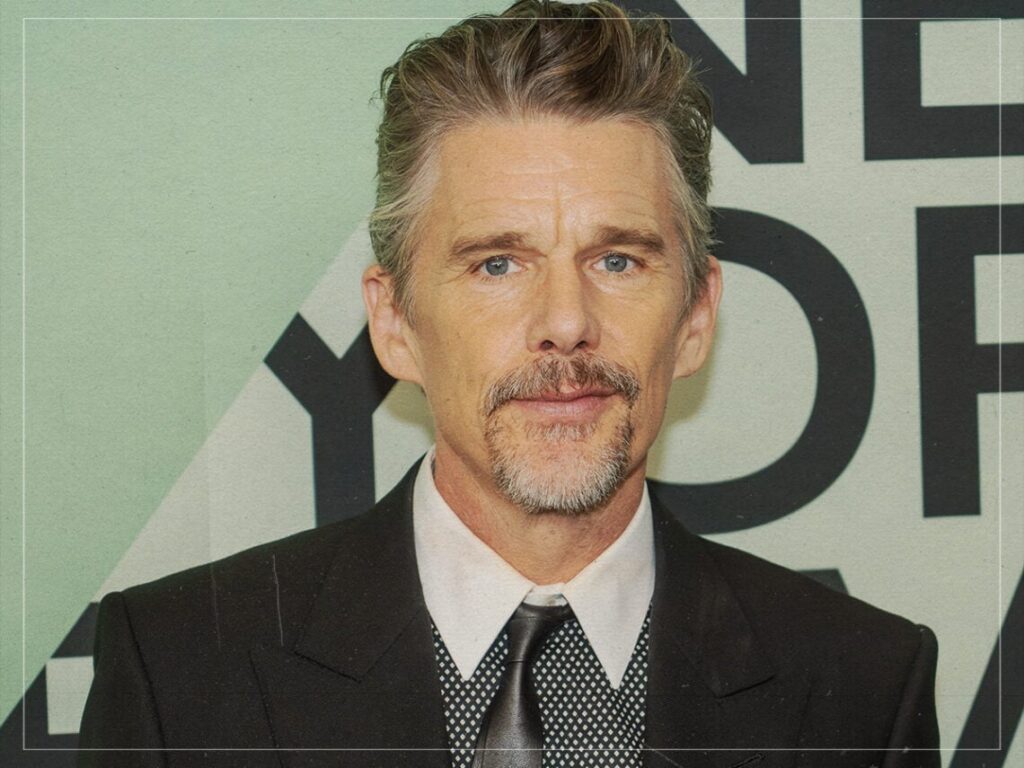
“I’ve been accused of being pretentious my whole life,” claims Ethan Hawke, who isn’t ashamed to admit that he can be a little snobbish when it comes to art, but he doesn’t think that has to be a bad thing.
If we weren’t critical of certain kinds of films – the ones that fall into tired old tropes and rely on lazy technique – then how would the genuinely good movies out there get the praise they deserve? You see, Hawke has been openly critical of superhero films, which some might call pretentious. Is it really, though?
Sure, everyone is allowed to like what they like, but when movies are being made that actively harm the cinematic art form by playing into the drive for profit before saying anything meaningful about the human condition, you can’t help but feel a little disappointed in the direction that filmmaking has taken.
Look at the incredible number of gorgeously-made films from the 1960s and ‘70s, the graininess of the film stock giving a kind of warmth to every film that is now rare to spot. Mainstream films, particularly the likes of those from Marvel, have gotten flatter, their existence a mere vehicle for the biggest stars in Hollywood. Relying on legacy characters and grandiose special effects, these films so often do little to inspire anything but disappointment. You can watch them half-asleep and still get the gist of them.
Hawke knows that some people question those who turn their noses up at superhero movies – after all, there are some good ones out there that aren’t mere Marvel slop – but he can’t help but stand his ground. True cinema should move you, leaving an impact that makes you look at life differently. He doesn’t think a superhero movie has the capability to do that.
“Now we have the problem that they tell us Logan is a great movie. Well, it’s a great superhero movie. It still involves people in tights with metal coming out of their hands. It’s not [Robert] Bresson. It’s not [Ingmar] Bergman,” he told The Film Stage.
“But they talk about it like it is. I went to see Logan cause everyone was like, ‘This is a great movie’ and I was like, ‘Really? No, this is a fine superhero movie.’ There’s a difference but big business doesn’t think there’s a difference. Big business wants you to think that this is a great film because they wanna make money off of it.”
Hawke makes a good point. The thing is, the more these huge films dominate in the name of making money, the less likely it is that smaller movies are going to be screened and seen. And when these smaller and more subversive movies disappear, what we’re left with are blockbusters that promote a hegemonic way of thinking, carefully monitored by the suits in charge.
“That’s why film festivals have become so important because you guys at film festivals are like curators of, like, what does the world need to be paying attention to. What should be seen? If we didn’t have these festivals, big business would crush all these smaller movies,” Hawke explained, reinforcing the importance of stopping big superhero films and the like from gaining a monopoly over the industry.
[embedded content]
Related Topics