The French silent film that influenced Michael Mann’s visual style: “A study”
 Posted On
(Credits: Raph Pour-Hashemi)
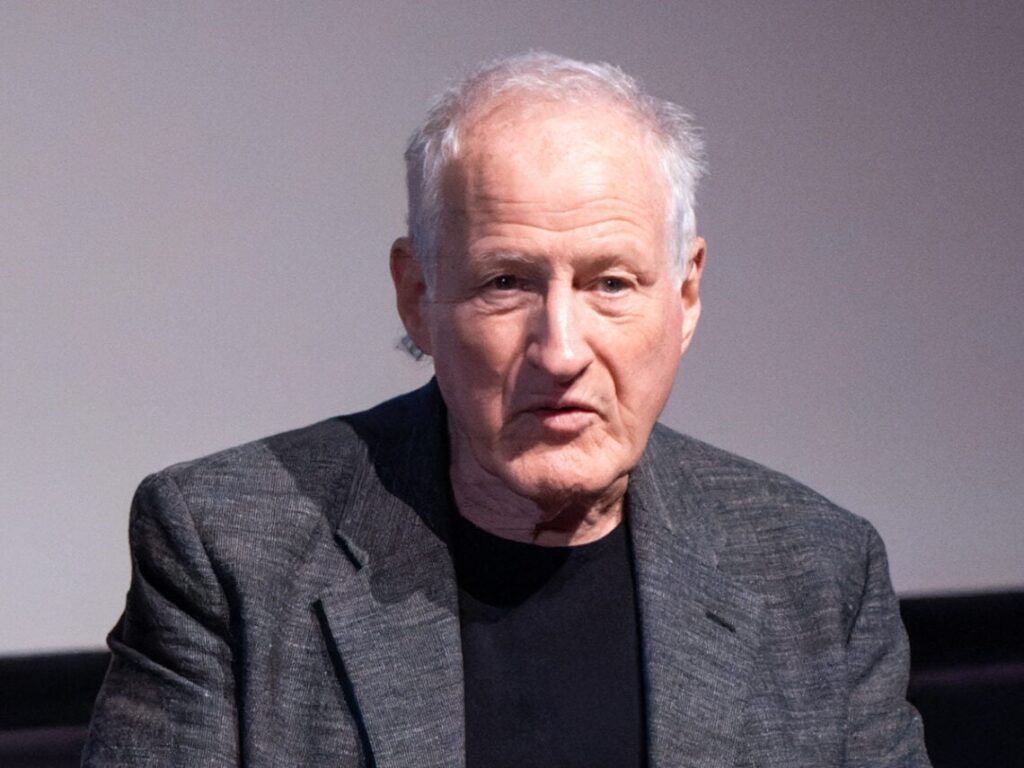
There aren’t many filmmakers who’ve emerged within the last half-century who have been quite as influential as Michael Mann, revolutionising modern crime cinema with his groundbreaking filmmaking techniques.
Although Mann helped to turn television into a prestigious art form with his ahead-of-its-time work on Miami Vice, he also introduced a didactic, kinetic style of visual storytelling that made his films feel even more exciting and personal, with many modern directors citing his work as being a major inspiration, including Ben Affleck.
While the standard cops and robbers story had been done to death in crime fiction, Mann took unique approaches to familiar subjects by changing who the prospective characters were, wherein his incredible debut film Thief follows James Caan as a deathly cool bank robber in the midst of a relationship crisis, and Manhunter was among the first films to introduce the concept of a serial killer being pursued by an obsessive FBI agent.
The director’s finest achievement to date may be Heat, which finally united Al Pacino and Robert De Niro on screen together for the first time. Both actors had been cited as being the best of their generation, but they had only appeared together before in The Godfather: Part II, where they didn’t share any scenes because of the film’s flashback structure.
In this vein, one might expect him to have drawn inspiration from other classic caper and crime epics, but the film that influenced him the most is almost a century old. When talking to Letterboxd, Mann said that the French silent film The Passion of Joan of Arc influenced him because of how it “has to do with compositions” and how it became “a study” on how to light the human face.
While cinema was still in its infancy when The Passion of Joan of Arc was first released in 1928, writer/director Carl Theodor Dreyer found a way to take a monumental historical incident and turn it into an emotional, moving story. Words weren’t needed to convey the conviction of the young Joan of Arc, played by Renée Jeanne Falconetti, because the film included so many intimate close-ups that captured the most detailed facial expressions, displaying a novel technique to show audiences what a character was feeling without standard practices of exposition.
The silent French film is still heralded as a classic because of how significantly more advanced it is than many of the other historical epics made in the ‘20s, and while there were other spectacle-based films that relied solely on massive sets and the assembly of extras, they no longer look as impressive when compared to modern techniques. In comparison, The Passion of Joan of Arc used simple methods to evoke compassion for its protagonist, Falconetti’s face remaining a striking image in cinematic history.
Even if Mann’s films have never ventured into France and England during the Hundred Years’ War of the Middle Ages, he’s utilised Dryer’s close-up techniques in nearly all of his work, offering a degree of immersion that has allowed him to get such great, raw performances from many of his actors, including Daniel Day-Lewis in The Last of the Mohicans, Russell Crowe in The Insider, Will Smith in Ali, and Tom Cruise in Collateral.
Fans of Mann who are eagerly awaiting news on Heat 2 owe it to themselves to check out The Passion of Joan of Arc first for a crash course in what turned the gears in their hero’s head to take him where he is today.
[embedded content]
Related Topics