The dark history of Greystone Mansion: an iconic movie location and murder scene
 Posted On
(Credits: Far Out / YouTube Still)
Los Angeles is soaked in a dark sheen of glamour, full of mystery and tragedy which lends intrigue to a city lit by the brightest bulbs of fame, excitement, lust, money, extravagance and dangerous history that keeps Hollywood alive, its stories attracting fascinated listeners.
There was Peg Entwistle, the 24-year-old budding actor who jumped off the Hollywood sign; the city sparkling in front of her as she took her own life, feeling hopeless in the face of an industry that can chew you up as fast as it can lure you in. Then, there was Sharon Tate, whose brutal murder by the Manson Family on Cielo Drive brought an end to the hippie era’s perpetual summer of love and peace.
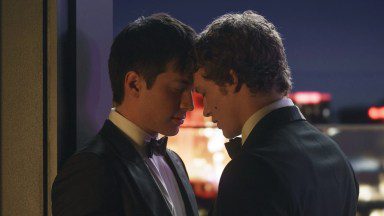
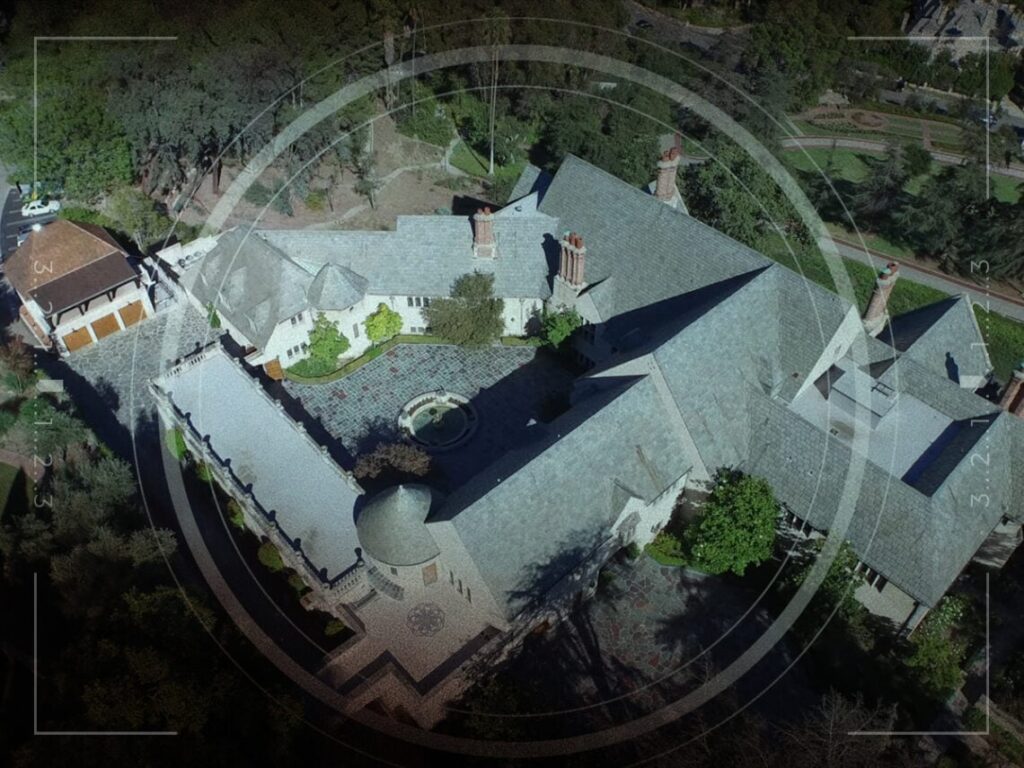
It only feels appropriate that one of the industry’s most popular filming locations is actually a mansion rumoured to be haunted, for it was once the site of a murder-suicide yet unresolved. Greystone Mansion may not be in your everyday lexicon, but you’ve certainly seen it in countless shows and movies spanning decades, from Spider-Man and The Social Network to Gilmore Girls and Ghostbusters.
Located at 905 Loma Vista Drive in Beverly Hills, the gardens are open to the public while events are held at the venue as well, so you can actually visit the gardens. However, beyond the reel, many remain unaware of the mystery that makes the house, which was built in 1928 by the oil tycoon Edward L Doheny, whose life loosely inspired There Will Be Blood (also filmed at the property, funnily enough). He gave the house to his son, Ned Doheny, who moved in with his wife and kids, but their new life at the heart of Hollywood, the ultimate symbol of the ‘American Dream’, soon came to a halt when Doheny and his long-time friend, Theodore Hugh Plunket, were found dead in one of the bedrooms.
The case was ruled a murder-suicide, although the details surrounding the event are shrouded in confusion, and the reason for their deaths has never been made explicitly clear. Still, Doheny’s wife, Lucy, decided to remain in the house until 1955, and it eventually fell into the hands of Henry Crown, who transformed it into a mansion fit for studios to rent out for filming.
Since then, the house, which was taken over by the American Film Institute for two decades, has become a go-to venue for filmmakers to use due to its expansive gardens and stunning exterior and interior designs.
Nothing is off limits for the Greystone Mansion, which you can see appear in independent productions like David Lynch’s Eraserhead, older classics like House of the Damned, and even 2010’s The Muppets. Yet, stories of ghosts and supernatural happenings continue to haunt the home that has attracted many visitors with a penchant for the darker side of Tinseltown history.
Some people claim you can smell a whiff of Lucy’s lilac perfume (or even, much less pleasantly, rotting corpses), while others say they’ve seen strange figures and heard voices. Whether or not you believe in that kind of thing, Greystone Mansion stands as a fascinating historical touch point, casting a dark shadow over Hollywood, where mystery is at the heart of an enticing yet dangerous industry.
[embedded content]
Related Topics