“That’s the toughest”: The album Andy Summers called the best The Police ever made
 Posted On
(Credits: Far Out / Apple Music)
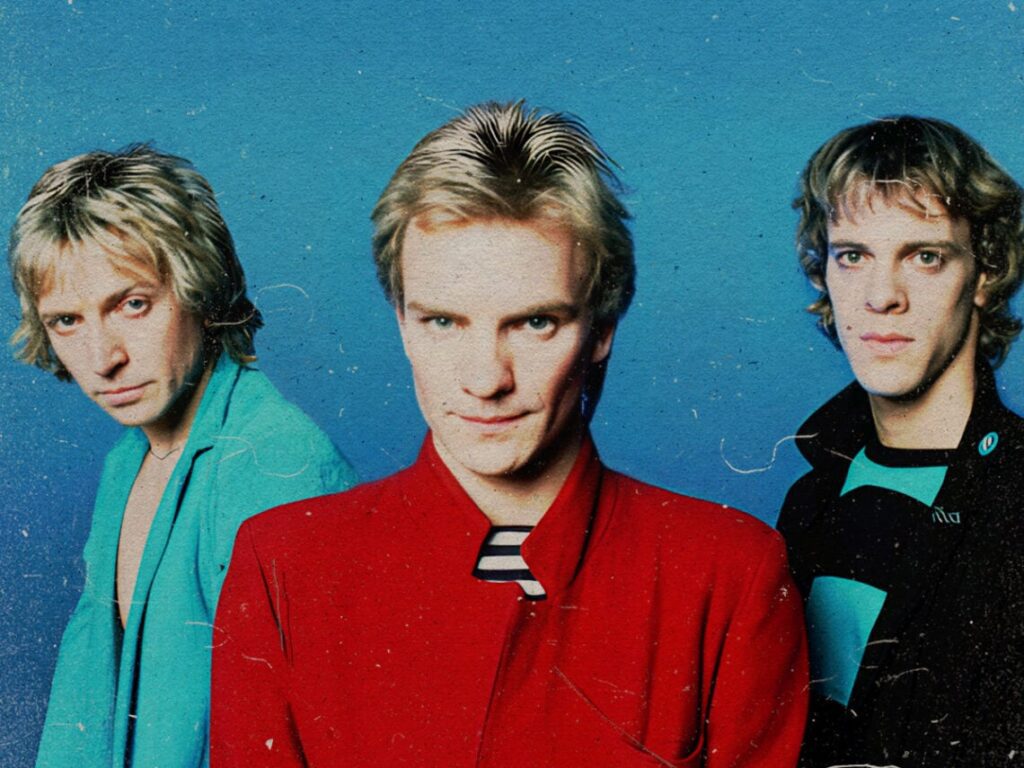
While it might have ended in a frayed tangle, a lot of happy fate brought The Police together. Sting, or Mr Sting to his pupils, had been a teacher in his native Newcastle, playing part-time in a jazz fusion band, Last Exit, when Stewart Copeland’s prog outfit Curved Air came to the north east on tour. The pair were suitably impressed by each other to exchange numbers, but neither anticipated that the exchange would one day lead to 75 million record sales.
In fact, you suspect that on another day, those numbers could have easily been rubbed off by errant pint slosh. Fortunately, Sting kept hold of Copeland’s digits, and when he arrived in London ready to start a new life, the drummer was pretty much the only contact he had. As fate would have it, the American was holed up in the English capital following the break-up of Curved Air, and when Sting’s call came through, he was ready for his next music chapter to begin.
This buoyed the group with an innate sense of optimism when they first began. “I was inspired by the amazing energy of the whole thing,” Sting would later reflect, “And I thought, ‘Well, I’m new to London and I’m totally unknown, so I’ll give it a go.’ We did a 15-minute lightning set, and I squealed and screamed.” There was something electric about the enthused chemistry of the group.
When Andy Summers, an industry veteran, joined the fold, he recognised the unique buzz from the off. “I thought there was fantastic potential in Sting and Stewart. I’d always wanted to play in a three-piece band. I felt that the three of us together would be very strong,” Summers told The Guardian, reflecting on the first time he saw the duo at the Marquee Club.
So, as three amigos who had been around the block and already faced the hard knocks of the music industry, when The Police were established, they were filled with a sense that this truly was their time. They had the maturity to ensure that they delivered on that promise, but they were still raw and in the midst of developing their unique sound. For Summers, this has always meant that their earliest stages were their most electric.
“This is not very commercial thinking, but for me, the best album was the second album,” he told Ultimate Classic Rock. While Reggatta de Blanc hit the top of the charts in the UK, it only rose to 25th in the US, and failed to fully launch them as giants of a new emerging genre—the pretentious name can’t have helped. But the record itself was resplendent with quality, innovation, and style.
“We were still raw and the album was made in 10 days,” Summers recalls. “I think it’s got all of the excitement of three young guys trying to make it. That’s the toughest album for me. Synchronicity proved to be more sophisticated. We were adding other instruments onto the tracks. It was slightly less of a trio album, although it was trio-dominated. But it was a little bit out of that [original idea].”
That original idea was a simple one, born from a fateful jam at the Marquee Club where Summers figured that the raw chemistry of a clever duo could do with a few more fingers, and that gig was born from Sting witnessing Curved Air and figuring the group could do with, well, a bit more Sting. The result was a band who sounded like nobody else, but perhaps they were at their best when they were still solidifying what that sound even was.
[embedded content]
Related Topics