Sigourney Weaver hates being called an actress: “Like something invented in the 17th century in France”
 Posted On
(Credits: Far Out / YouTube Still)
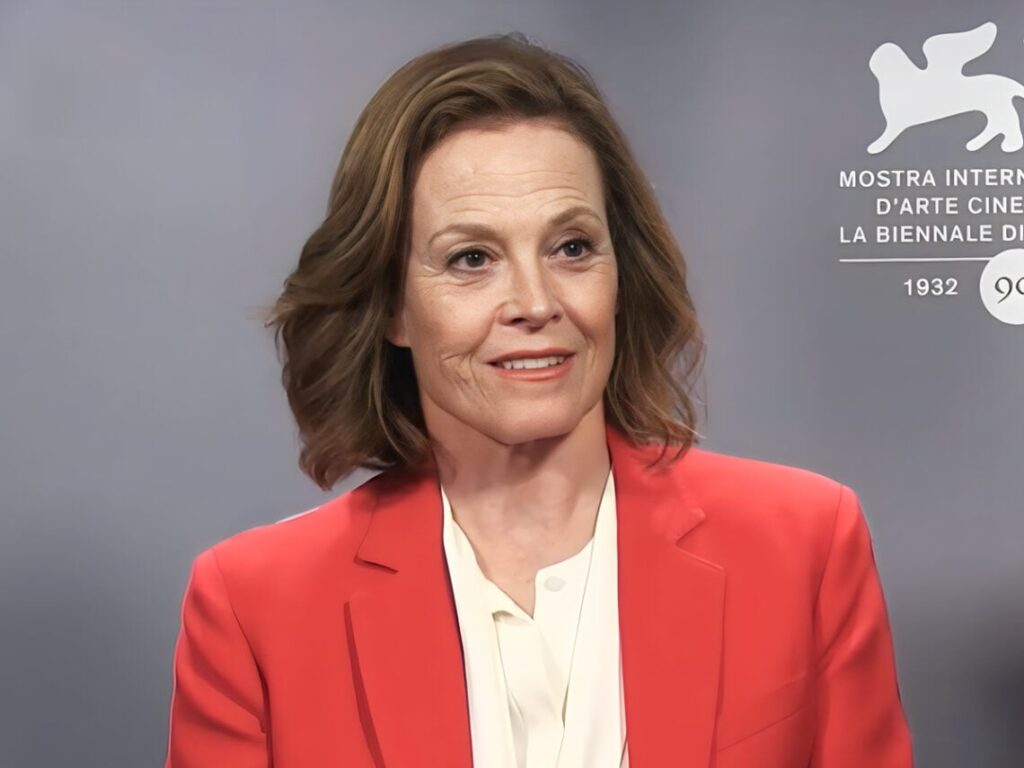
Sigourney Weaver has had such a wide-ranging and consistent career that it’s easy to overlook just how remarkable her body of work really is. Best known for redefining sci-fi heroines as Ellen Ripley in the Alien franchise, her filmography also spans everything from Working Girl and Dave to Ghostbusters and Avatar.
It’s not uncommon for Weaver to be praised, but she’s wary of being referred to as an “actress”, and according to an interview with The Oklahoman, she said that she preferred the all-consuming word “actor” to describe anyone who works within performance arts.
“I just think a writer is a writer, a painter’s a painter, and an actor is an actor,” she declared, “Actress sounds like something invented in the 17th century in France or something. To me, I would just rather be called an actor.”
The distinction between the two phrases has been an ongoing concern within the industry, which is reflected by the difference in how award ceremonies handle their categories; for example, the Academy Awards and Emmy Awards give prizes for ‘Best Actress’, whereas the Sag ceremony gives out accolades for ‘Best Performance by a Female Actor’, and while Weaver seems to understand that opinions vary, she does have her preference.
“There are a lot of very fine actresses who think of themselves as actresses, but I think of myself as an actor, and I think a lot of women do, especially in theatre,” she said.
While the term ‘actress’ isn’t generally considered to be a sexist phrase, it’s worth noting that Weaver is responsible for changing a lot of trends by becoming one of the first major female action stars, where her performance as Ripley in the original Alien proved that women could lead science fiction franchises at a time in which the industry was dominated by male-oriented films like Star Wars, Close Encounters of the Third Kind, Superman: The Movie, and Star Trek: The Motion Picture.
Ripley’s status as a groundbreaking hero only expanded in Aliens, in which the character turned from a terrified final girl to a brave avenger who helps to ward off ruthless Xenomorph creatures. It’s safe to say that without the brilliance with which Weaver nailed the role, there wouldn’t be female action heroes like Linda Hamilton’s Sarah Connor in Terminator 2: Judgment Day, Uma Thurman’s The Bride in Kill Bill, or Jennifer Lawrence’s Katniss Everdeen in The Hunger Games.
Interestingly, the parameters of what constitutes acting have been up for debate regarding another project that Weaver is in which the lines are slightly blurred. Within all three films in the Avatar franchise, the actor has worked using motion-capture technology to capture the movements of a digital character, and while this has been a common practice in the industry since Andy Serkis’ role as Gollum in The Lord of the Rings trilogy, there has been a drive by actors to show more respect for the art of motion capture.
Weaver’s surprisingly emotional and complex performances in the Avatar films have shown that motion capture is not just a means of assisting visual effects artists, but a legitimate type of acting that has the potential to be very impactful, and whether she wants to be known as an ‘actor’ or is deigned an ‘actress’, she is without a doubt a trailblazer in every aspect.
[embedded content]
Related Topics