‘Signed DC’: Arthur Lee’s uncompromising description of addiction on Love’s debut album
 Posted On
(Credits: Far Out / Album Cover)
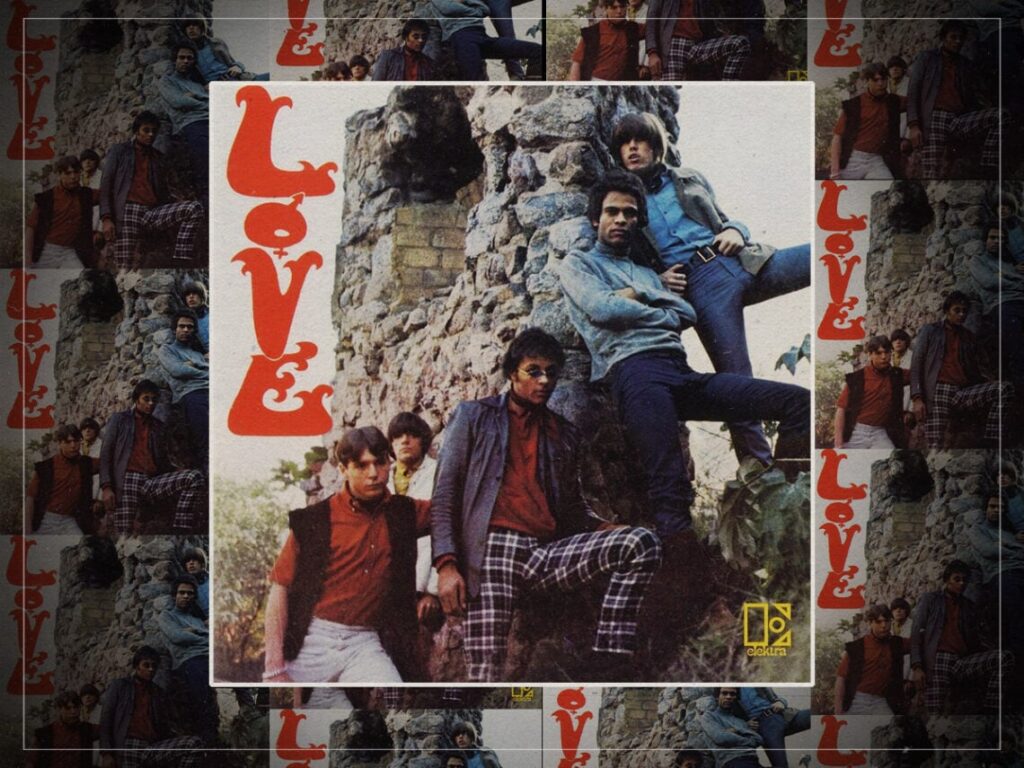
2026 marks the 60th anniversary of the first two LPs by the Los Angeles chamber-psych-garage pioneers Love, who released their self-titled debut and its follow-up, Da Capo, in 1966.
Both records have long since been significantly overshadowed by the band’s 1967 magnum opus, Forever Changes, but in stark contradiction to that narrative, Love and Da Capo actually performed much better on the US charts than their canonised successor.
This is a useful bit of historical context, considering how the current critical analysis around frontman Arthur Lee and Love tends to begin and end with Forever Changes, a record that resonated more with British audiences in its own time, and gradually built its cult status in America in the decades that followed. Love’s real impact in the States arguably came in that first year of their existence, when the band became a sensation in the LA music scene and set the template for a boatload of trends that would help define late ‘60s rock and roll.
Before the Doors became the sound of the Sunset Strip, before bands started putting out singles in stereo, before the Jimi Hendrix Experience showed what a racially integrated rock band looked like, and before long hair and beads became the de facto look of the California hippie… Arthur Lee and his band were already doing every one of these things.
According to the Doors’ Ray Manzarek, Love were the end-all-be-all band in LA in 1966, so much so that even the wildly ambitious Jim Morrison was content to merely get on their level. “Morrison turned to me and said, ‘You know, Ray, if we could be as big as Love, man, my life would be complete’,” Manzarek recalled. “I thought Love was one of the hottest things I ever saw. They were the most influential band in Los Angeles . . . we all thought it was just a matter of time before Love conquered America.”
Fashion sense and musical adventurousness aside, part of Love’s immediate appeal was a proto-punk willingness to dig into lyrical subject matter that had rarely been addressed so directly in rock music before. Right out of the gate on the band’s debut, a 21-year-old Arthur Lee – an African-American kid from South Central LA – showed no fear in talking openly and honestly about heroin addiction in the song ‘Signed, DC’.
“My soul belongs to the dealer / He keeps my mind as well / I play the part of the leecher / No one cares / For me / Cares for me.”
Arthur Lee, ‘Signed DC’
This wasn’t a random, fictional character study either. Lee wrote ‘Signed, DC’ about Love’s original drummer, Don Conca, who’d been considered one of the most talented young drummers in LA until giving in to his drug addiction and exiting the band before the recording of their first album. Conca would ultimately spend the majority of his life in prison before dying of an overdose in 2004.
Arthur Lee would famously endure some difficult chapters in his own life after the demise of Love in the early 1970s, and while he did live long enough to experience the ’90s revival in appreciation for his contributions to music, he remained thoroughly aware that things could have played out differently had he been more willing to tour and promote himself back in the 1960s.
“I think I did the most I could with my talent,” Lee told LA Weekly in 1994, “but I was no businessman. “For fame, you gotta know somebody to put you up there [onstage]. That was the problem of Love and the problem of my whole life. I didn’t want to beg, and sometimes I didn’t want to do the selling.”
[embedded content]
Related Topics