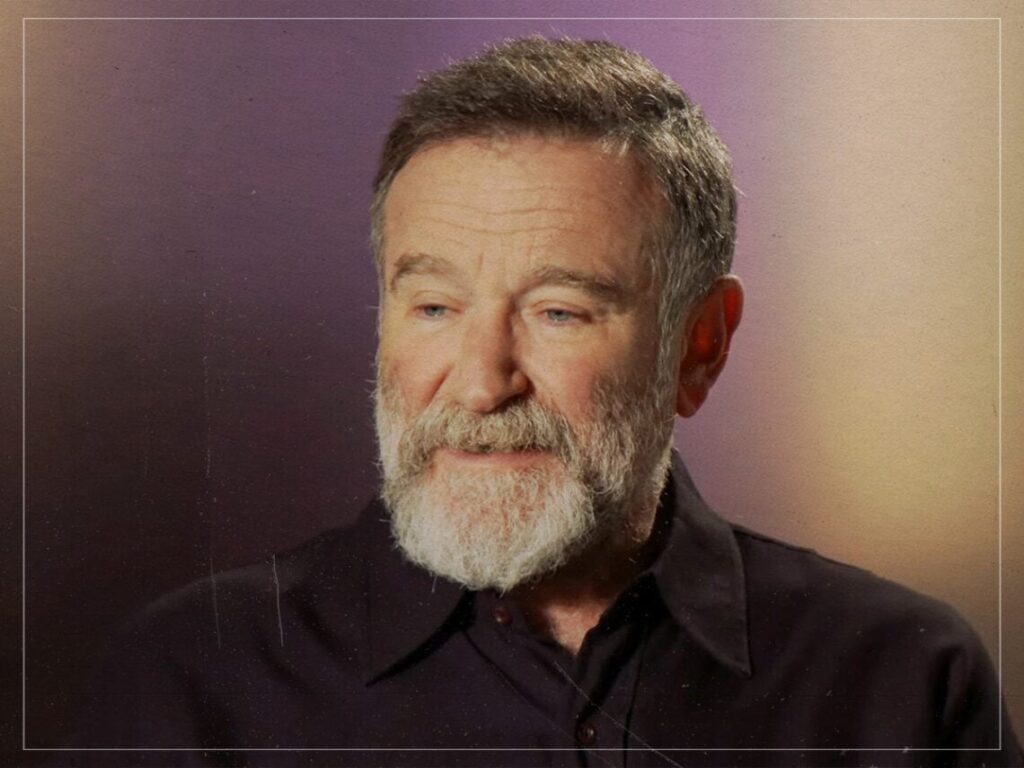
Robin Williams’ dispiriting experience making movies “which so many people hated”
 Posted On
(Credits: Far Out / YouTube Still)
In an industry that’s as all-consuming as Hollywood, it’s almost impossible to ignore the constant reminders about how your entire sense of self-worth is intrinsically linked to the external validation you manage to muster up throughout your career.
Before the talent and the contributions to cinematic history comes the all-defining image, that same one they plaster on advertisements for baby formula and political endorsements for the worst people you know. It’s that image that plays a big role in determining which projects you’re going to get called up for, what magazines want to interview you, and even what kind of nutjobs will send letters to your home at a location you thought was undisclosed.
The studio executives encourage you to accept projects that will bring in the most money, while fans encourage you to do projects that will capitalise on a certain aspect of your identity that they love. In the expectation soup of it all, you might be left feeling empty and as if nobody cares about what you truly care about. If it doesn’t align with the fans, the awarding bodies or suits, then it feels devoid of meaning.
Robin Williams was a chap all too familiar with this sort of conflict, which every now and then, resulted in backlash from fans whenever they thought he was taking an “unnecessary” risk with an out-there project. Of course, Williams was talented enough to change their minds with his undeniable dedication to his craft, but it wasn’t always smooth sailing.
From the early beginnings of his career in the San Francisco stand-up world to his initial role in Mork and Mindy, Williams proved himself a world-class comedian and effortless entertainer. It was only natural that people yearned to see more of him as the funny man, becoming a household name after starring in films like Mrs Doubtfire and The Fisher King.
However, while his witty one-liners and quips were what drew mass audiences towards him, there were many who weren’t so happy about seeing Williams add a new feather to his bow, with the actor being met with backlash for merely trying to expand his career into a less-silly direction. One can only sustain a career as a one-trick pony for so long, but he wasn’t met with very kind feedback after adding some new tricks to his repertoire.
Williams built a renowned reputation for his ability to add weight to light-hearted performances and humour to darker stories, becoming an equally respected dramatic actor after roles in films like Awakenings and One Hour Photo.
However, this shift in his career caused a bit of a stir amongst his die-hard fans, with the actor mentioning, “People keep saying, ‘Why don’t you do another Fisher King or Mrs Doubtfire? But they don’t come along every day. I guess they wanted me to stop the touchy-feely movies after Awakenings. Then I did What Dreams May Come, which so many people really hated.”
He explained how vulnerable it all made him, especially facing the violence of the reactions it garnered, saying, “And I can tell you making that movie was like having open-heart surgery with a spoon every day, so the reaction was dispiriting. People will come up to you and say, ‘If you ever make another movie like that, I’ll hurt you’. This is interesting feedback. Does it make me deny the validity of what I’ve done? No. Does it make me want to look for other things? Yes.”
When we look back at Williams’ career now, it’s the risks that he took that define his legacy far more than the projects everybody knew he was going to be great. And that’s the kind of balance most artists need to strive for in order to truly make it into the history books like the One Hour Photo star did.
[embedded content]
Related Topics