Leonard Cohen’s big problem with the biggest band on the planet: “Didn’t seem to be essential”
 Posted On
(Credits: Far Out / Desert Dust Recordings)
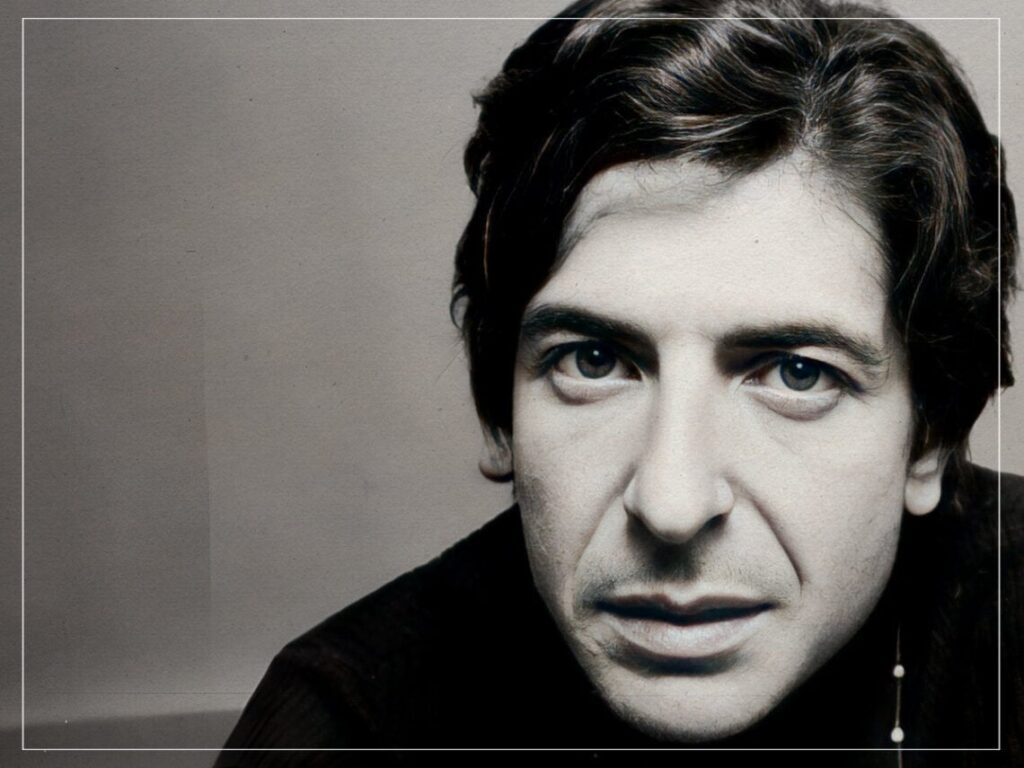
If you were looking for an artist who summed up the word “authenticity”, then Leonard Cohen would be perhaps the soundest choice you could make.
Despite the fact he veered away from poetry toward writing songs in a somewhat contrived move to ensure his words would be heard by more people, Cohen has rarely produced anything that didn’t effectively express the very nature of his soul. It might sound grand, but the real beauty of Cohen is that he managed to do that without ever feeling overtly conceited in doing so. It meant that he often found himself at odds with the music industry.
Leonard Cohen enjoyed a considerably different swinging 1960s than The Beatles. Still, they both enjoyed the same excesses that the decade had on offer, yet their trajectories couldn’t have been pointing in more opposite directions.
While The Fab Four were intent from their teenage years in becoming musical sensations, Leonard Cohen had an unconventional school of thought and an even more peculiar start to his life as a serenading singer. Cohen was 33 when he decided to plunge into musicianship; he became unconvinced with his life as a poet and felt like the potency of his message within the written word was being lost. After seeking pastures new, everything fell into place for him, and his musings spread internationally.
With that in mind, Cohen made a leap of faith, left his revered poetry career behind and, instead, channelled his talents into songwriting. His debut album, Songs Of Leonard Cohen, arrived in 1967 while The Beatles were at the peak of their powers, and the folkie wasn’t in the business of chasing the hit parade. Making waves on the radio was never really a part of the Canadian’s plans; he wanted to go about his business and deliver his work without the need for constant recording or making movies.

When The Fab Four rose to fame in the early ’60s, they weren’t trying to persuade grown men like Cohen to follow them around towns screaming to high heaven. He, like so many other men at the time, likely felt a pang of jealousy, and he struggled to enjoy their music, but eventually, he appreciated their celestial talent. “I’m interested in things that contribute to my survival,” he later reflected to The New Yorker. “I had girlfriends who really irritated me by their devotion to the Beatles.”
Cohen confessed that while “I didn’t begrudge them their interest, and there were songs like ‘Hey Jude’ that I could appreciate,” he felt they never really stood for anything he could get behind. He continued: “But they didn’t seem to be essential to the kind of nourishment that I craved.”
Cohen’s remarks are reasonable, and it’s understandable why an esteemed poet couldn’t get on board with those early Beatles records. The group were, at the time, concerned with getting record sales, and while their music was innovative in many ways (after, all it was them who perhaps first introduced a third person to a love song with ‘She Loves You’), the main message form their manager Brian Epstein was all about marketing. Cohen required something filled with meaning and something that would correspond with him on an obscenely deep level.
Fascinatingly, his attitude towards the group in 1967 on the CBC radio documentary, How The Beatles Changed The World, doesn’t reflect the aforementioned comment. Cohen spoke in superlative terms about the group: “I find the all speak to me, and they speak to a part of me that seems very perishable,” he said. “Sometimes I feel like it has perished, and what they are speaking is an elegy.”
When asked to name a specific song he likes by the group, Cohen couldn’t quite manage the task. Although he did explain, that’s because he doesn’t own a record player but enjoys everything he’s heard when he listens to The Beatles at a friend’s house. The mercurial artist then recites some lyrics to ‘Tomorrow Never Knows’ despite not knowing the song title and describes the track as “very, very beautiful”.
The host then asked Cohen if he thinks the Liverpool band are poets, to which he states they’ve done enough to be heralded with that tag. “They are dealing with some essence, and handling it in a state of grace, certainly they are poets,” the Canadian elucidated.
Despite not necessarily being caught up in Beatlemania, Cohen could respect and appreciate The Beatles’ wider significant cultural impact, even if their songs didn’t provide him with the “nourishment he craved”. Vitally, he understood the vital importance of The Fab Four, even if he had to seek elsewhere for stimulation.
[embedded content]
Related Topics
The Far Out Beatles Newsletter
All the latest stories about The Beatles from the independent voice of culture.
Straight to your inbox.