Kid Rock closes Nashville restaurant due to ICE raids, new report claims
 Posted On
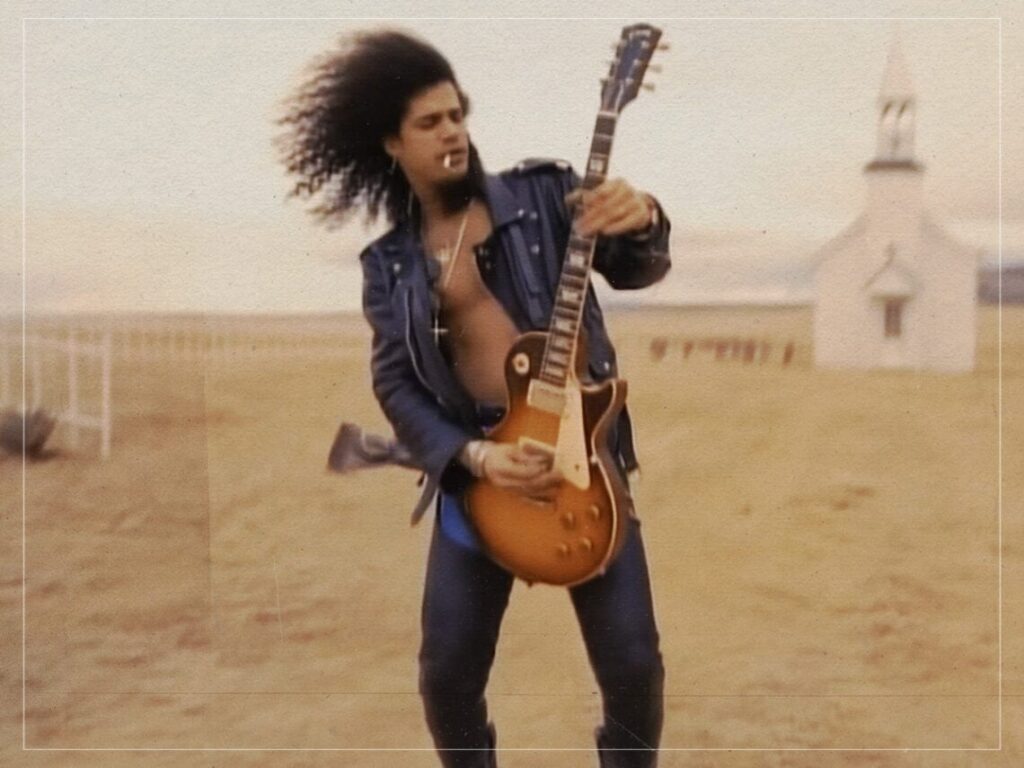
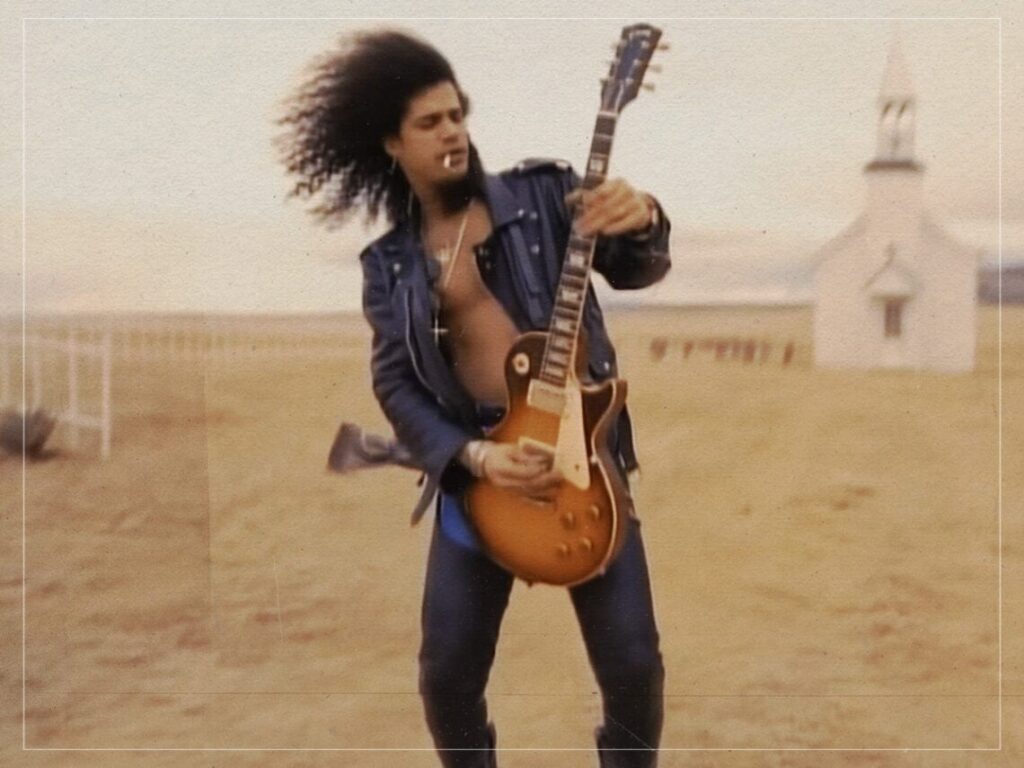
(Credits: Far Out / YouTube Still / Shaleah Craighead)
A new report claims that Kid Rock is closing the kitchen of his Nashville restaurant Big Ass Honky Tonk Rock N’ Roll Steakhouse due to the ongoing ICE raids.
Kid Rock has been a prominent supporter of Donald Trump for many years and has regularly made appearances at the White House alongside the occupant of the Oval Office. The musician owns the Big Ass Honky Tonk Rock N’ Roll Steakhouse with Steve Smith, who is also a fellow public supporter of the Republican politician.
Local publication Nashville Scene has published a new report alleging that Smith, who owns numerous bars and restaurants in the city, such as Tootsie’s Orchid Lounge and Rippy’s, employs undocumented workers.
The report claims: “At the instruction of managers, restaurant employees without legal citizenship status left the premises at The Diner, Honky Tonk Central and Kid Rock’s Big Ass Honky Tonk Rock N’ Roll Steakhouse during a primetime rush on Saturday night to avoid detention by ICE agents.”
Additionally, it features a statement from an anonymous employee, who told the publication: “We were already understaffed because of the ICE raids throughout the weekend. Then, around 9:30 p.m. on Saturday, our manager came back and told anyone without legal status to go home.”
The statement continues: “Events at the Ryman, Ascend, the Savannah Bananas’ baseball game all let out, and it was crazy busy. But there was no one in the kitchen to cook the food.”
Neither Kid Rock or Smith have commented on the report regarding the employees of Big Ass Honky Tonk Rock N’ Roll Steakhouse.
Only six weeks ago, Kid Rock appeared with Trump at the Oval Office to sign an executive order clamping down on ticket touting.
The White House has described the executive order as a response to “exploitative ticket scalping.” It encourages the Federal Trade Commission and Department of Justice to “rigorously enforce” the laws which are already in place rather than introducing a new set of legal restrictions on the ticketing industry.
[embedded content]
Related Topics