‘Go’: a Quentin Tarantino rip-off or an underrated 1990s gem?
 Posted On
(Credits: Far Out / Columbia Pictures)
When Quentin Tarantino burst onto the scene in the 1990s, it wasn’t long before other filmmakers attempted to glean some of the success he found in abundance. The decade was a significant time for American cinema, particularly in the independent realm, and many new faces emerged with the hopes of carving out a place for themselves in cinema history.
Tarantino’s distinctive and bold style allowed him to find quick acclaim, his movies blending an amalgam of film references with his unique take on writing witty and irreverent dialogue, making his characters truly feel like real people, no matter how outrageous.
Reservoir Dogs was a triumph for Tarantino, allowing his entrance into Hollywood to go unignored. Violent, funny, and shocking, the movie even caused horror maestro Wes Craven to walk out of a screening, which is certainly saying something. Tarantino then followed it with Pulp Fiction, which took his stardom to a whole new level, grossing $213million against a budget of just $8m and subsequently changing the landscape of indie cinema.
Many argue that Pulp Fiction led to the demise of independent filmmaking, while others believe it allowed low-budget cinema to prosper, finding a widespread audience in unprecedented circumstances. One thing is for certain, however – Tarantino’s sheer amount of success resulted in the release of various movies that were clearly inspired by his work. But which ones can we truly call rip-offs?
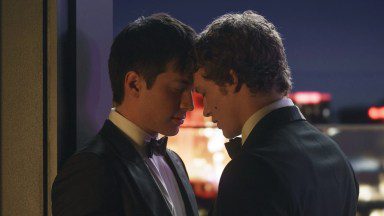
Doug Liman’s Go, released in 1999 – five years after Pulp Fiction – bears clear influence, and many have been quick to point out the two films’ similarities. Starring an ensemble cast including Timothy Olyphant, Katie Holmes, William Fichtner, Breckin Meyer, and James Duvall, the film follows a younger cast than Tarantino’s movies tend to, but many of these characters could easily fit into the filmmaker’s world.
Take Meyer’s Tiny, for example, who believes that he can use the N-word because his “mother’s mother’s mother was black”, to which Taye Diggs’ Marcus replies, “If you were any less black, you’d be clear”. The scene, in which a group of four guys are travelling in a car, feels appropriately Tarantino-esque, which is only emphasised by the bizarre scrapes they find themselves in, quickly becoming embroiled in violence and criminality following the group’s messy trip to Vegas.
Olyphant’s Todd, a drug dealer who can often be seen wearing a Santa hat but no shirt, also feels like a character Tarantino could’ve created. He’s a rather terrifying figure, and one you can imagine slotting into the world of Pulp Fiction just fine with his simultaneously laid-back and unnerving demeanour.
With its ensemble cast, similar style of problematic and flawed characters, heavy use of dialogue, entertaining blend of violence and comedy, and non-linear storytelling, it’s no surprise that so many viewers were quick to call Go a Pulp Fiction rip-off. But is it? While the influence is undeniable, Liman’s film is genuinely good, and it withstands its own weight by using genuinely hilarious conversations between characters and shocking plot twists.
The characters are compelling, whether they’re getting into fights, doing drugs, stealing cars, or running from bad guys, and there is just as much chaos as there is fun that emanates from every scene. Additionally, the non-linear narrative really works in the film’s favour, adding suspense and narrative intrigue, and besides, Tarantino didn’t come up with the concept himself.
Go is the perfect movie to watch with friends; it’s a journey through the messy landscape of young adulthood, where violence and corruption manifest in everyday life and affect even those who attempt to avoid them. While it’s not Pulp Fiction, Go is bags of fun, and to call it a mere Tarantino rip-off would undersell the incredibly well-written film, which deserves to be held in much higher esteem.
[embedded content]
Related Topics