Fuel for The Cars: Ric Ocasek’s favourite artists
 Posted On
(Credit: Alamy)
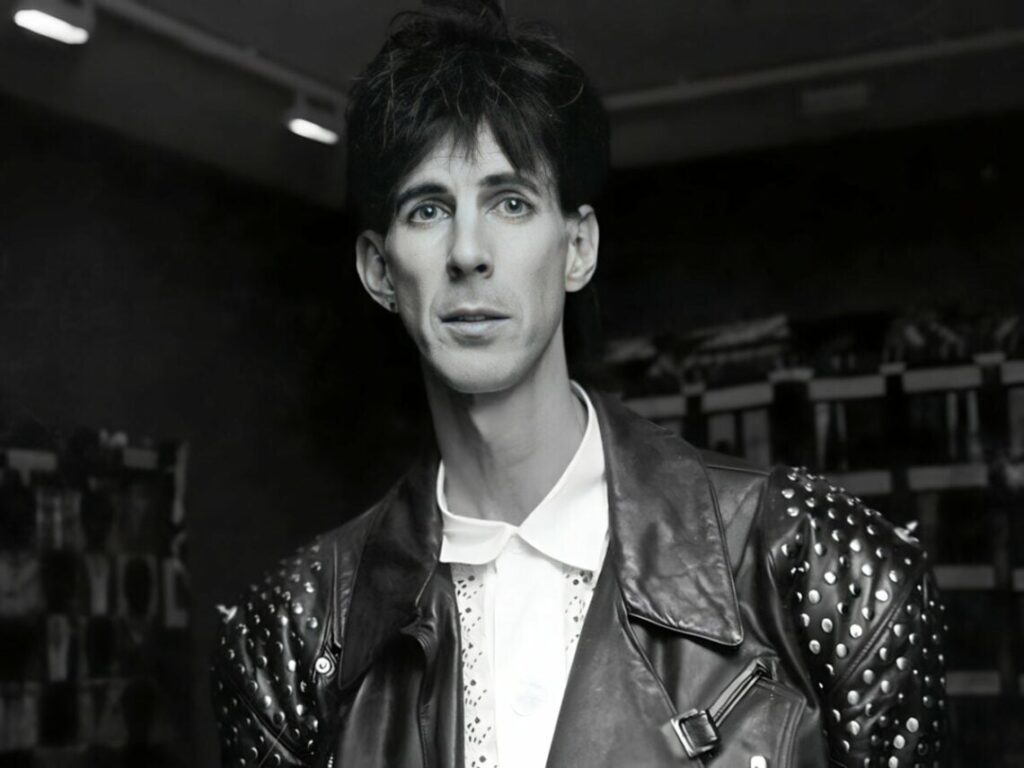
As essential to laying the musical and cultural blueprint for the 1980s as Kraftwerk or Bruce Springsteen, The Cars‘ ingenuous brew of power pop surge, sharp synth edges, and a thematic and aesthetic retro-reverence for Americana saw the Boston chart-toppers bridge classic rock and punk with ease. While poster-boy dreamboat Benjamin Orr was the face of the band, it was principal songwriter Ric Ocasek who gifted the group with their innate accessibility, penning songs of high school angst and teen love through the lyrical lense of his own gawky eccentric cool.
The Cars’ authoritative soundtrack to the pangs and drama of adolescence belied the two founders’ age. Ocasek and Orr had become acquainted in the mid-1960s, drifting through several acts, including a folk rock outfit and an acoustic duo. Ocasek’s evolving pointedly passionate songwriting with a dash of chintz was fast demanding a new musical foil. Recruiting The Modern Lovers’ drummer David Robinson, his suggestion of The Cars name, and further final personnel cementation with Greg Hawkes and Elliot Easton saw their first official date playing New Hampshire on December 31st, 1976.
Few bands in the annals of popular music can boast a debut as fully formed and confident as The Cars’ eponymous album. Nine cuts of immaculately perfect art-pop with god-given anthemic hooks underneath its lacquered coating of electronic fizz, The Cars immediately found its place among the ranks of Roxy Music or New York Dolls in boasting a first record essentiality.
Even their first single ‘Just What I Needed’ stood as their defining hit, a tale of unsure attraction dripping with sarcasm scored with a tight rock punch and one of the most irresistible synth lines in keyboard history.
The Cars’ confounding clash of disparate sensibilities owed much to their songsmith’s unabashed love of pop at its sugary and the darker corners of rock. “My taste was to always go for that mix, even back in the Sixties,” Ocasek told Vanity Fair in 2011. “I obviously was a huge fan of (Bob) Dylan, but my other favourite band was The Velvet Underground. I always went for the left side of the music brain, too. I loved The Velvet Underground and The Carpenters”.
His collaborations and production credits reflect this eclectic embrace of the commercial and avant-garde. By the time The Cars’ glossy ballad from 1984’s Heartbeat City was dominating the adult contemporary charts—one of the grimmest, coldly corporate genre tags of all time—Ocasek had helmed underground LPs from brittle synthpunks Suicide, DC hardcore furies Bad Brains, and even his own spiky solo single ‘Jimmy Jimmy’ from 1982’s Beatitude.
Be it The Cars’ pop hits or music’s alternative fringes he assisted in the studio, Ocasek knew the power of an acerbic twist or heartfelt tenderness to raise a record’s alluring character.
The Cars maintained a winning streak before petering out at the end of the 1980s, a decade that their earlier pop offerings had helped shape. Crafting pitch-perfect songs exploring the trials and tribulations of coming of age, Ocasek’s lyrical marriage of earnestness and glib irreverence thrust them at the centre of the great American pop songbook while also nestled amid punk’s cultural insurrectionary ground zero.
[embedded content]
Related Topics