From Philadelphia to Minneapolis: The streets of Bruce Springsteen’s two most important protest songs
 Posted On
(Credits: Far Out / Bruce Springsteen)
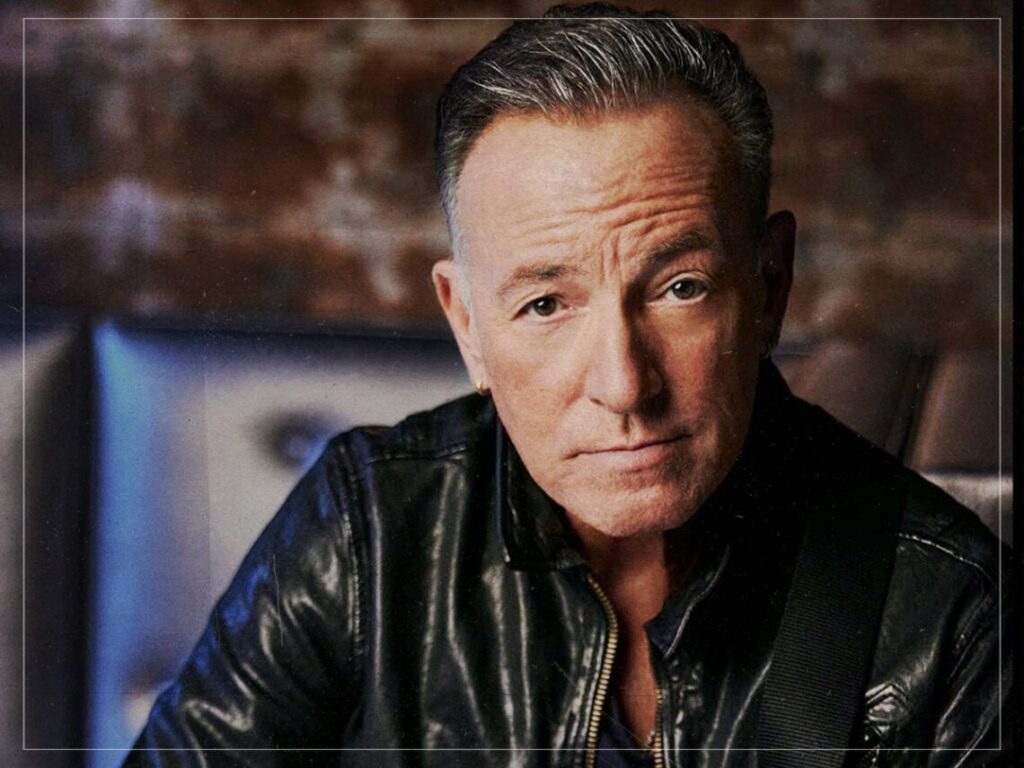
For decades, Bruce Springsteen has earned a solid reputation for speaking up about social issues, telling the stories of those affected by injustices, especially in the US, through his impeccable narrative songwriting style.
Albums like Darkness on the Edge of Town tackle themes of defiant heroism displayed by those raised in marginalised or disadvantaged communities, while others, such as Nebraska, focus on the plight of the working class, taking a more solemn and inverse approach to similar themes. Throughout his catalogue, there are plenty of individual tracks that explore these topics as well, but recently, there’s been one that has stunned the world for how timely and crucial it is.
Released in late January of 2026, ‘Streets of Minneapolis’ tackles the city-wide protests that have erupted into action following the recent acts of violence and false imprisonment enacted on its citizens by tyrannical immigration enforcers.
Its passionate lyrics that speak out about the torment that ICE have thrust upon a city are among some of the most pertinent that Springsteen has ever written, and the misery that has been inflicted upon the area is palpable in Springsteen’s delivery of chants that implore the listener to remember the names of Renee Good and Alex Pretti – two of the innocent individuals who have lost their lives as a result of these government crackdowns.
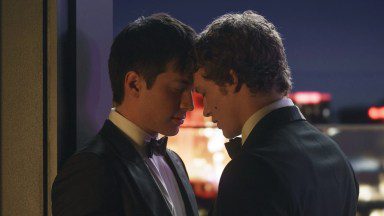
However, it’s not the first time that he’s taken to the ‘streets of’ a major US city to protest against something that he sees as an immoral and unjust attitude being pushed upon innocent folk. In 1993, he was asked by director Jonathan Demme to provide a score for Philadelphia, a film that tackles the homophobia and prejudices faced by those affected by the HIV/AIDS crisis in America.

The theme for the film, ‘Streets of Philadelphia’, released as a single almost 32 years to the day before ‘Streets of Minneapolis’, feels almost like a precursor to his more recent offering; a primal scream of rage at America’s ignorant reaction to one of the biggest social issues of the period that affected the lives of millions across the country.
Sung from a different perspective, with him taking the viewpoint of an AIDS patient in ‘Philadelphia’, Springsteen explores the loneliness felt by an individual who has been made to feel like an outcast and left on the fringes of society through no fault of their own. Conversely, ‘Minneapolis’ tells a harrowing account in a more report-style fashion, and uses the platform of the protest song as a means of asking for collective action.
When ‘Streets of Philadelphia’ was first included in the soundtrack for Philadelphia, Springsteen registered himself on the right side of history with his attitudes to a prominent topic of discussion, with the film also being critically lauded for how it tackled its sensitive subject matter and painted victims of these prejudices in a positive light.
He’s doing it again with ‘Streets of Minneapolis’, and while he’s certainly not the only one outraged by it within the music industry, he was among the first high-profile names to have produced a song that tackles the situation head on, doing so without any fear of repercussions despite the way in which the government seem hell-bent on cracking down on dissenting voices.
Just as he did in 1993 with ‘Streets of Philadelphia’, Springsteen has asserted his position as one of the greatest political voices in music with ‘Streets of Minneapolis’. If someone of his stature can always be one of the first to take action in this way, you can guarantee that the rest will follow his lead and get on board with fighting for the same cause.
[embedded content]
[embedded content]
Related Topics