Every Devo album ranked
 Posted On
‘Something for Everybody’
Release Date: June 2010 | Producer: Greg Kurstin, John Hill, John King, Santi White, Devo, Money Mark | Label: Warner Bros
Devo had never quite gone away. Regular gigs, soundtrack work, and even standalone singles would be dropped in their interim period, but fans and the wider music world eagerly awaited Devo’s first studio album after twenty years. Dropped in 2010, Something for Everybody held promise by its wry title alone, a coy offering of pleasing dilution ready for mass consumption after several years orbiting the commercial world, preceding single ‘Watch Us Work It’ devised for a Dell promo and Casale having forged a second career as a director of TV adverts.
‘Fresh’ flashed some of the old Devo magic, a buoyant and infectious arrest of mechanised hook that expertly heralded their return, but elsewhere, Something for Everybody sonically lacks and lyrically stumbles into already trodden territory. Produced with a cold and unsatisfying digital crunch, each number lumbers along with a leaden lack of vim, grabbing with a bombastic veneer but never offering finesse or depth. Teases of greatness rear their head throughout Something for Everybody, but it has the life bludgeoned before such ideas can flourish.
Defining track: ’Fresh’
[embedded content]
‘Total Devo’
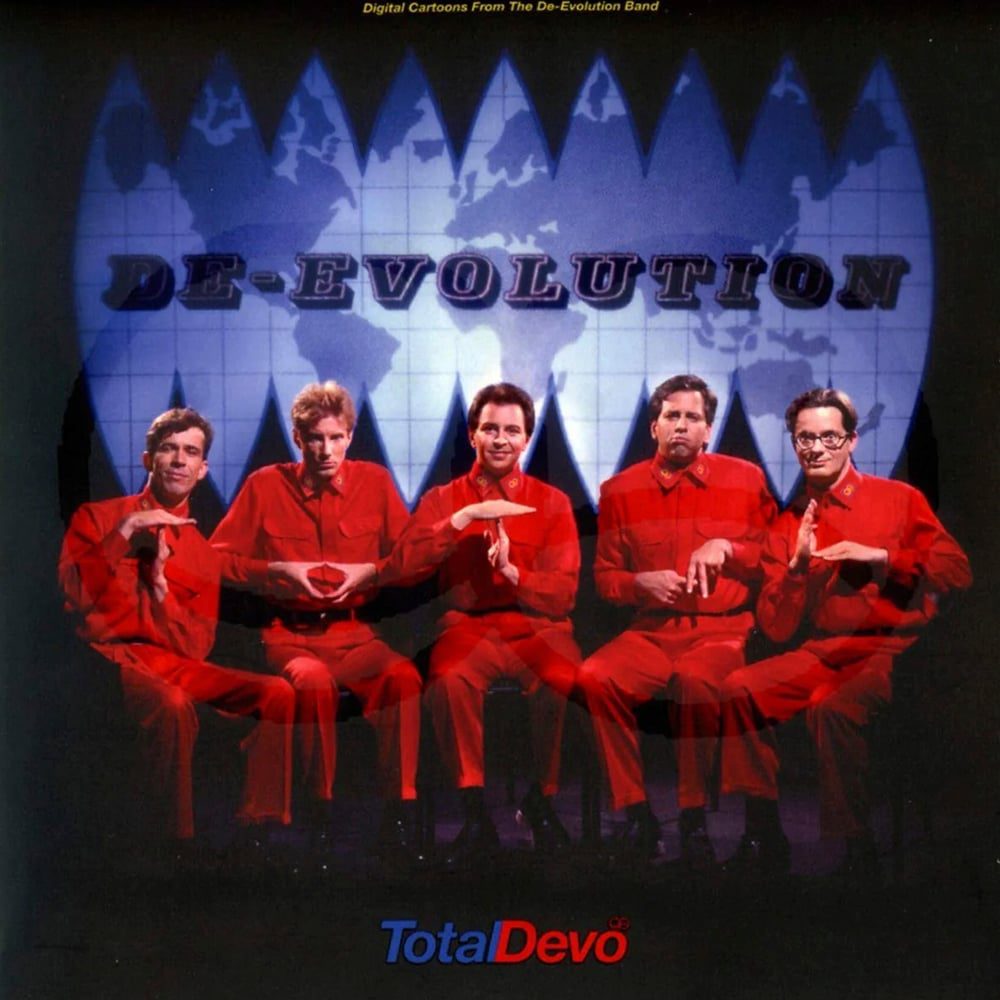
Release Date: May 1988 | Producer: Devo | Label: Enigma
Devo had entered a new chapter of their career. Longtime drummer Alan Myers had departed, and Warner Bros was so eager to rid Devo from their roster they offered a payout to avoid their contractually obliged further two albums. Having tired of the digital saturation of recent material, Devo opted to return to a more direct and organic set-up, recruiting future Xiu Xiu drummer David Kendrick to pick up the sticks.
Organic is loosely applied, as Total Devo still chugs along with processed pop. Anticipating Mothersbaugh’s Mutato Muzika music company that would be formed the following year, Devo’s seventh LP effort still feels hammered and beat in the studio, losing their distinct sonic identity that had shone early in the decade in favour of a homogeneous gloop that largely extinguishes creative and thematic ideas. Boasting only a few worthwhile tunes, Total Devo stands as a document of a tired artistic unit.
Defining track: ’Happy Guy’
[embedded content]
‘Smooth Noodle Maps’

Release Date: June 1990 | Producer: Devo | Label: Enigma
By the end of the 1980s, Devo had certainly run out of steam. With Mothersbaugh’s TV work picking up, the time and energy devoted to the little art pop prank that had blown up beyond all expectations started to demand less undivided time and energy. Having already cast doubt on having anything profound to say in accordance with the ‘de-evolution’ concept, the band nevertheless entered Burbank’s Master Control studio to cut their eighth LP.
Critically derided at the time, Smooth Noodle Maps definitely holds up a lot better than is remembered. Ensconcing themselves deeper into the pop trends of the day, Devo do manage to wrap some memorable numbers in the mainstream sound font dominating the charts by the 1980s’ close. Perhaps the ultimate act of subversion? It’s by no means a classic, and there are certainly misfires, but Smooth Noodle Maps has more to offer than merely a curio for the most committed Devohead.
Defining track: ‘When We Do It’
[embedded content]
‘Shout’
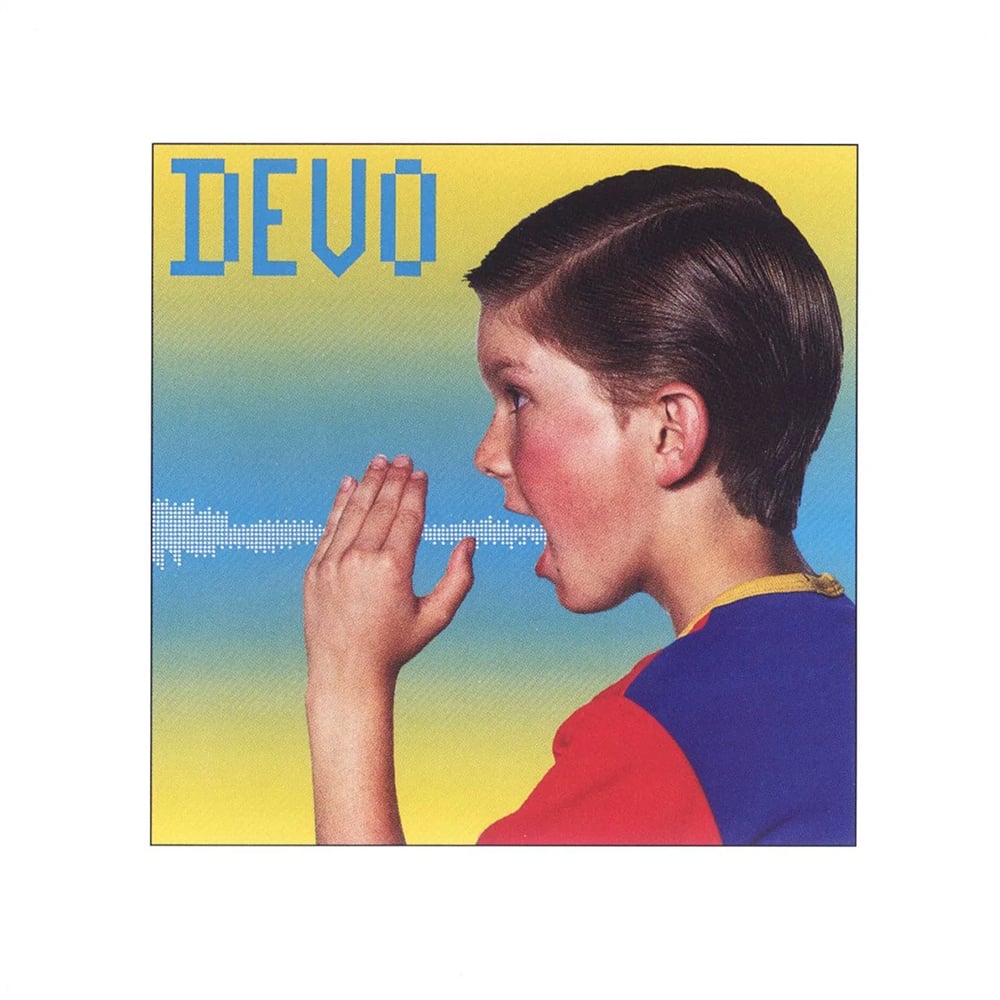
Release Date: October 1984 | Producer: Devo | Label: Warner Bros
Here marks for many the moment Devo’s classic era stopped. Enchanted with the innovative sampling capabilities of the Fairlight CMI synthesiser, Mothersbaugh spent serious band money to acquire the latest Series IIx version to build their most digital record yet. Lost in its limitless aural possibilities, the insular production process left the rest of the band cold, Myers so alienated by the reliance on software percussion that he left the band not long after, spelling the end of the classic line-up.
Yet, time has been kind to Shout. While not a perfect album, the sampled crunch and computer sheen lend a novel character to Devo’s sixth LP, and if one allows repeat listens, the songs contained stand with some of their best. The Jimi Hendrix cover isn’t great, but otherwise numbers like ‘The Fourth Dimension’, ‘Don’t Rescue Me’, and its cybernated title track are all vastly underrated, flexing a logical and welcome ‘de-evolution’ in the band’s pop explorations.
Defining track: ‘Shout’
[embedded content]
‘New Traditionalists’
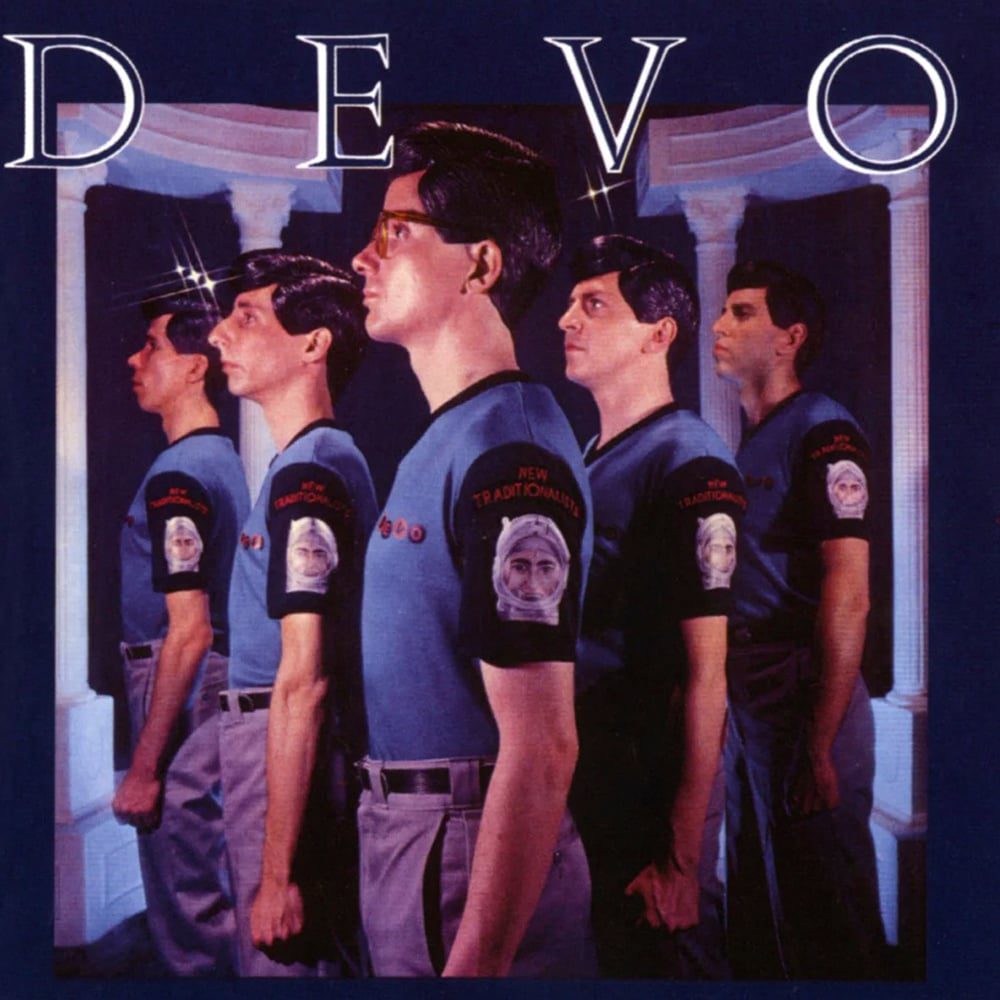
Release Date: September 1981 | Producer: Devo | Label: Warner Bros
Fame had finally caught up with Devo. Enjoying acclaim in the alternative underground, 1981 saw Devo shoot to the zenith of the mainstream, ushering in some tidy commercial revenue and a happy record label. Success creates expectations, however. Suffering top-down label pressure to knock up another smattering of Hot 100 winners, Devo instead exorcised their misgivings with stardom, coupled with an unease at America’s political direction, and crafted a prickly and disquieting record of electronic, caustic pop.
Sporting JFK hairdos—not Reagan, as was often thought—New Traditionalists saw Devo dwell in a deeper pool of anxious bite and overt anger, taking potshots at tested romance, hangers on, and the failure of elected officials, Devo imbue their increasing lean on synth-propulsed jerk punk with a potent flare of disappointed angst. While still boasting sharp pop numbers, New Traditionalists takes a darker and cavernous turn, Devo confronting their ‘de-evolution’ up front and personal.
Defining track: ‘Love Without Anger’
[embedded content]
‘Duty Now for the Future’
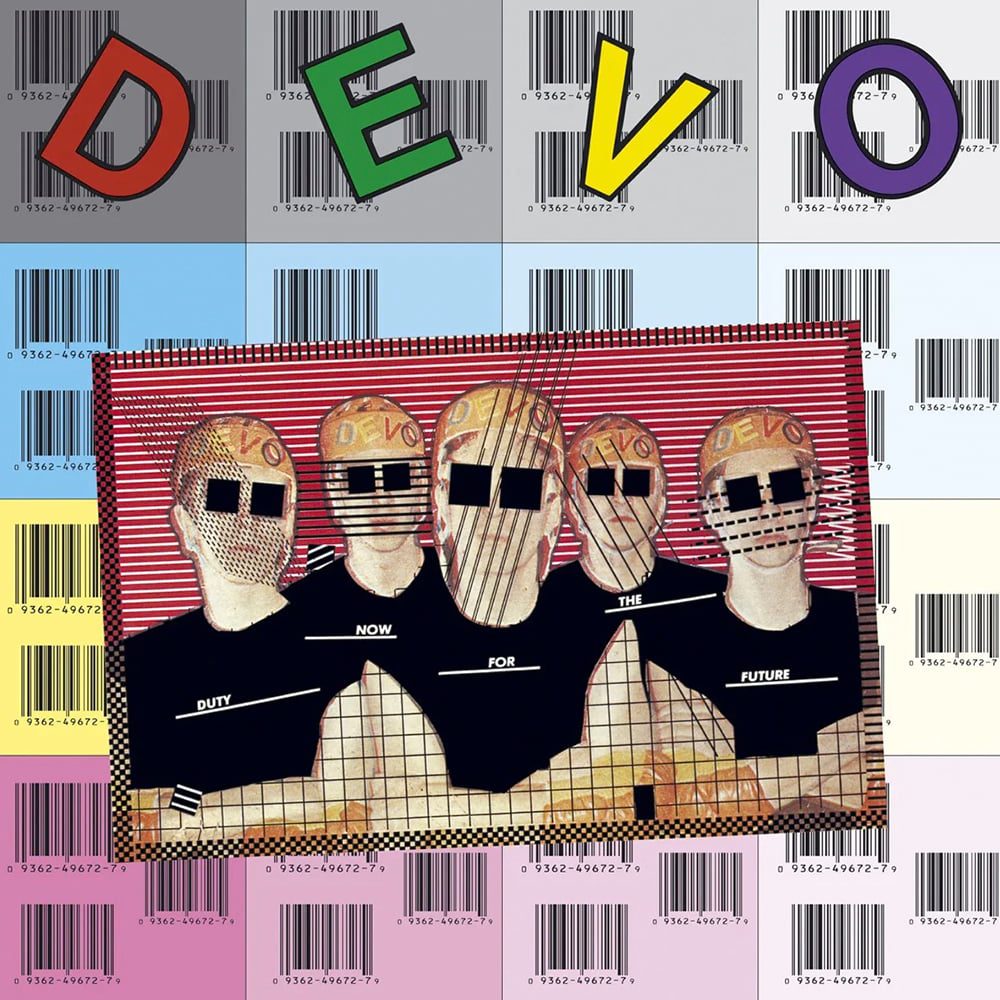
Release Date: June 1979 | Producer: Ken Scott | Label: Warner Bros
Five years of playing and jamming before their debut album had accrued a plentiful amount of Devo for the band to rifle through. With the majority of their sophomore record well established live, 1979’s Duty Now for the Future served as Devo’s final album of the decade’s gestation, furthering their leap into stretched and acidic post-punk, immersed deeper into their novel electronics.
While some grumble about the production, Duty Now for the Future is saved by a wealth of fantastic songs that refine Devo’s efforts to feed rock through their barbed mangler. The synths pulse with flavoursome spark, Bob Mothersbaugh’s guitar solos rip in their own sinewy way, and the conceptual arcs are cohesively realised. Still teeming with acrid, livewire energy, Duty Now for the Future tumbles out of the speakers with a belligerent disquiet undimmed after nearly 50 years.
Defining track: ‘Smart Patrol / Mr DNA’
[embedded content]
‘Oh, No! It’s Devo’
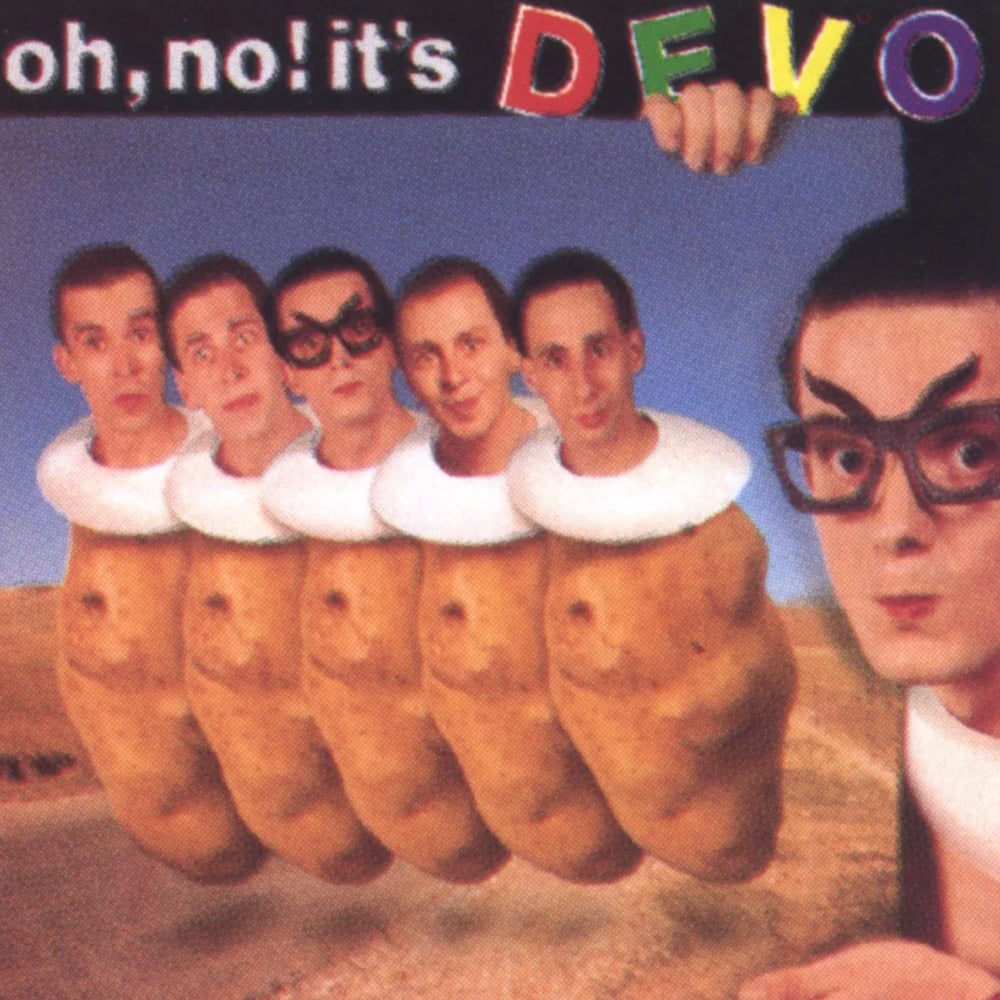
Release Date: October 1982 | Producer: Roy Thomas Baker | Label: Warner Bros
Sometimes, an artistic venture is anchored by a creative question. In preparation for Devo’s fifth LP effort, a perennial critique thrown the band’s way was that they were either “fascists” or “clowns”. While still dismissed by sections of the rockist press, Devo thought to conjure a record and arching theme that would meet all of the caricatures the likes of Rolling Stone had excoriated them for. “What would a record sound like by fascist clowns?” Casale recounted to NME in 2009.
Whether the resulting product answers the question is difficult to judge, but Oh, No! It’s Devo whipped up a razor-sharp synthpop bounce packed with their growing fascination with drum machines and sequencers while yet to be totally lost in them. Belying the album’s eerie lyrical alludes to political assassinations and the dark side of human nature, Oh, No! It’s Devo surges with mechanised cheer, each number reaching insane levels of giddy infection and interlocking synth near-perfection.
Defining track: ‘Big Mess’
[embedded content]
‘Freedom of Choice’

Release Date: May 1980 | Producer: Devo, Robert Margouleff | Label: Warner Bros
For most people, 1980 is Devo’s defining year. Introducing the world to their signature energy dome hats and the ‘Whip It’ single, enjoying chart success way beyond punk’s confines—later to be a fixture of the fledgling MTV channel— Devo found themselves leading the new wave with the likes of Talking Heads and Blondie. Now conceiving of a record solely comprised of new material, Devo delivered an album gleaming with confidence and ideas that radiate gloriously from each cut.
Freedom of Choice beams with a married sonic tandem of sharp electro-edge and post-punk attack, the organic and the synthetic never struck so fabulously on point. Adding the Devo touch to their love of funk and R&B, a greater degree of accessibility enhanced their subversive commentary, lurking postmodern literature and political malaise amid pop gems that pulled the mainstream toward them rather than the other way around.
Defining track: ‘Freedom of Choice’
[embedded content]
‘Q. Are We Not Men? A: We Are Devo!’
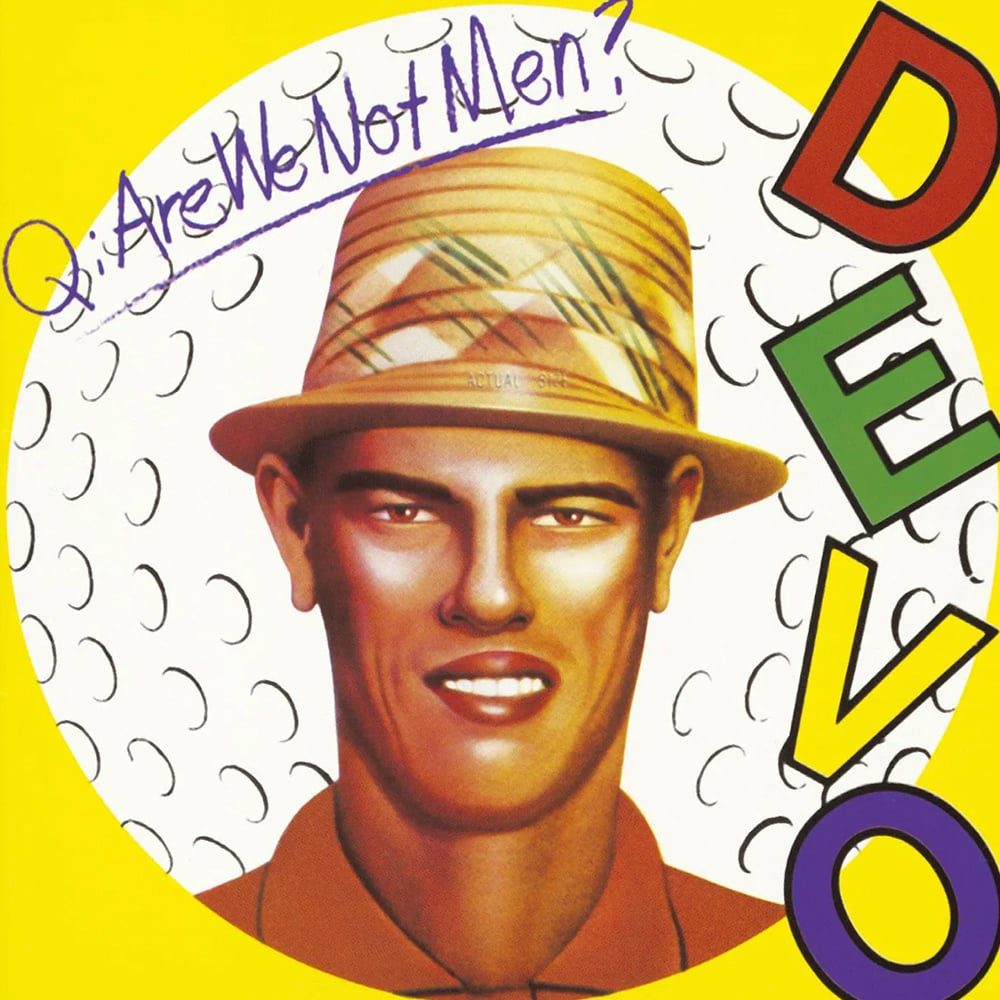
Release Date: August 1978 | Producer: Brian Eno | Label: Warner Bros
For years, Devo had been soldiering through the musical underground, gestating their avant-garde theatre while Emerson, Lake & Palmer was selling out the local arena above them. Gifted with an antenna that picked up punk’s insurgent signals long before many of its future stars, Devo’s provocatively original material and ideas would compel luminaries such as Iggy Pop and David Bowie to sign their high praises before a debut LP was even out.
Dropped in a climate that had finally caught up with their deconstructionist post-punk, 1978’s Q. Are We Not Men? A: We Are Devo! effortlessly captured the times and the appetite for the new. Zapped into record stores from a kitschy future that felt bizarrely like the present too, Devo’s debut was new wave defined, bristling with dissident energy and iconoclastic goo across their hazmat-suited anti-rock.
From ‘Mongoloid’s inside-out groove, ‘Jocko Homo’s fuzzing discombobulation, the queasy garage attack that permeates across ‘Uncontrollable Urge’, and their audaciously sexless reimagining of The Rolling Stones’ ‘(I Can’t Get No) Satisfaction’, Q. Are We Not Men? A: We Are Devo! emits a plastic pungence in its acerbic air, gloriously tangled yet gripping tunes, and laser-weird lyrics wrestling with timeless ingenuity. Of all the landmark albums released in punk’s aftermath, Q. Are We Not Men? A: We Are Devo! stands as the record that best realised those revolutionary ambitions, possessed with an electrical fire in its belly and never without a wry smirk on its face. Essential.
Defining track: ‘Mongoloid’
[embedded content]