‘All Things Must Pass’: the George Harrison song that has a secret lyric from John Lennon
 Posted On
(Credits: Far Out / Alamy)
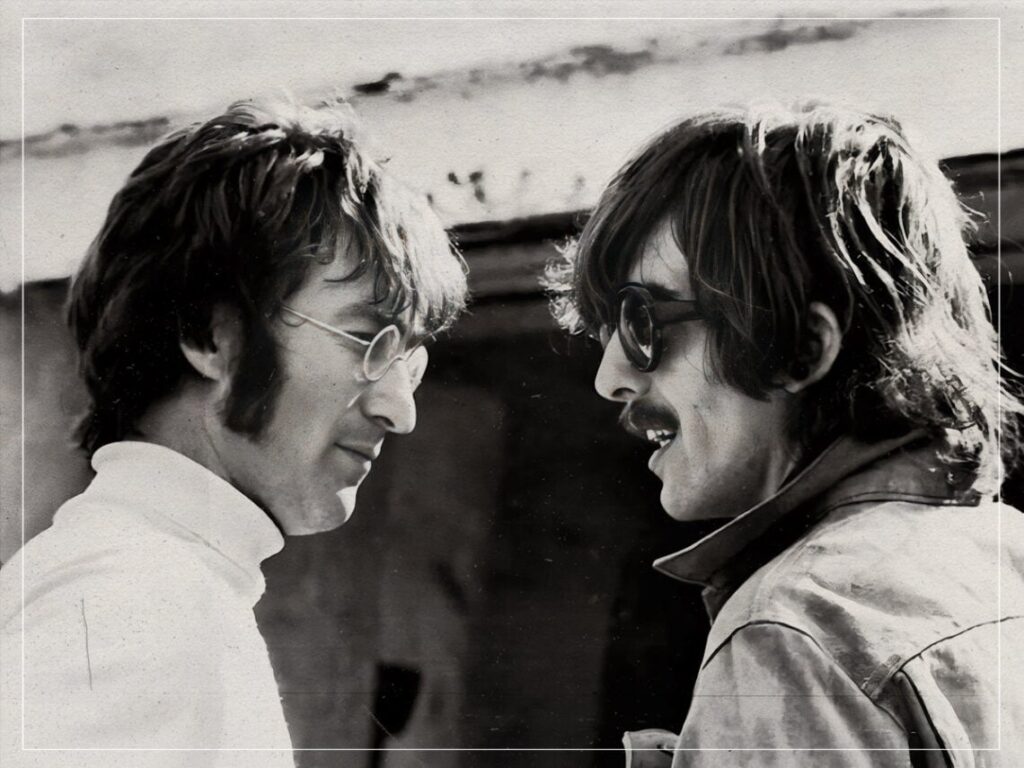
What’s most remarkable about The Beatles, more than the seismic impact of the band itself, was the chart-topping success that each of the Fab Four continued to enjoy throughout their solo careers, speaking to the mass cultural weight that every one of them held as individuals. That said, oftentimes, they couldn’t get by without a little help from their friends, if you will, with former bandmates chipping in with ideas on solo material. George Harrison was a bit more of a lone wolf on that front – but it still didn’t stop a Beatle buddy from having a keen influence on one particular song.
Harrison’s debut solo effort, All Things Must Pass, was released in 1970 mere months after The Beatles’ disbandment. The triple album, clocking in at a mighty 106 minutes, propelled the underdog straight to number one, with many critics only realising the full throttle of the quiet Beatle’s talent in that moment. But there seemed to be a more covert motive to Harrison’s big break, specifically in the record’s eponymous track, which likely saw him laughing all the way to the bank.
Indeed, the song ‘All Things Must Pass’ had actually been penned by Harrison a year prior to its official release, in aid of The Beatles’ 1969 recording sessions for Get Back. But the band had shunned it – so the master guitarist rightly kept it up his sleeve for later use. However, this wasn’t before a little sprinkle of Lennon stardust, with the world-acclaimed songwriter of the group pitching his bandmate a lyrical idea that went on to stick without credit.
In the opening of the second verse, Harrison sings “A sunset doesn’t last all evening / A mind can blow these clouds away,” with the latter line having been suggested by Lennon as something more fittingly “psychedelic”. It was indeed a winner, with the image making it into the song and suiting its transient vibe perfectly.
In fact, this notion of transience was the ideal inclination as to the direction of travel down which the rest of Harrison’s solo material would head. Famed for his infatuation with Indian culture and tradition, much of his work encompassed senses of worldliness and human condition, with ‘All Things Must Pass’ the catalyst for “all kinds of mystics and ex-mystics”, as Harrison himself put it, setting off a ride of psychedelia-infused spirit that would seal his sonic legacy.
Whether as part of The Beatles, the Travelling Wilburys, or himself, George Harrison was in no uncertain terms a free spirit from which a commanding musical catalogue was bound to inspire. Although cited as the independent man, it is also clearly true that Harrison leaned on a range of influences to steer the ship – even when he may have sometimes been too proud to admit it.
Lennon never appeared credited for his contribution to ‘All Things Must Pass’, but if there’s one thing the kings of psychedelia did have in tune, their sonic telepathy was strong enough to let their words pass as any of the others.
[embedded content]
Related Topics