Lou Reed’s favourite singer of all time: “Voice of an angel”
 Posted On
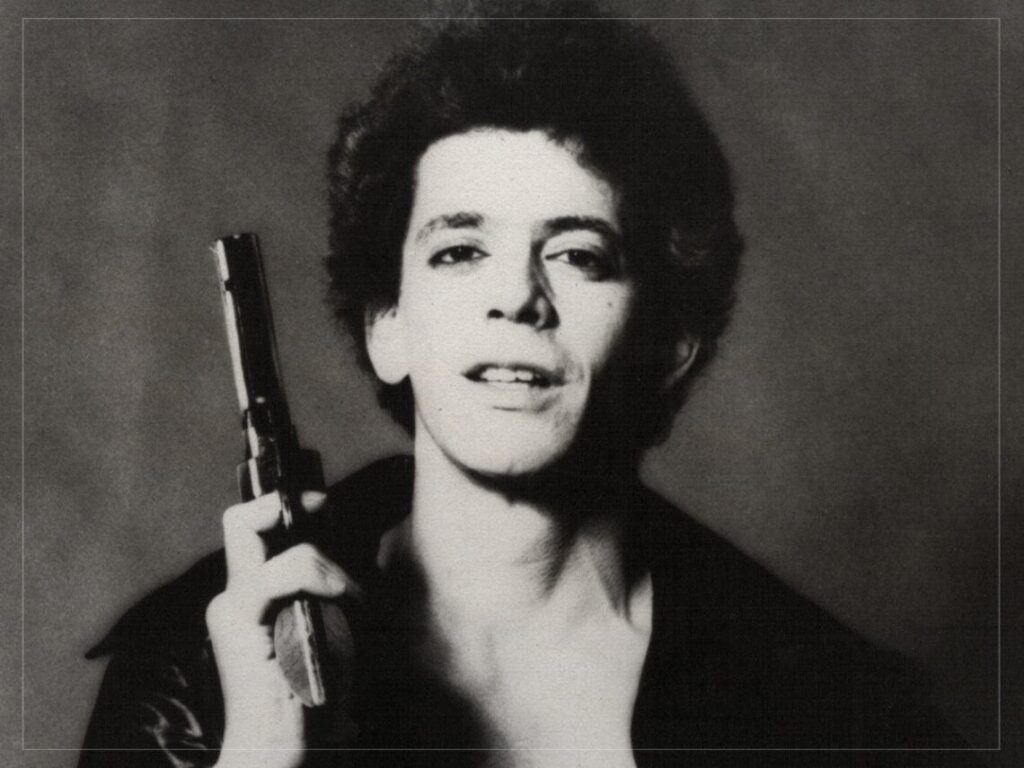
(Credits: Far Out / Arista Records / Mick Rock)
“Rock and roll is so great, people should start dying for it,” Lou Reed once said. It’s a statement that perfectly encapsulated his rare ability to pair profundity with controversy.
“You don’t understand. The music gave you back your beat so you could dream…The people just have to die for the music. People are dying for everything else, so why not for music? Die for it,” he added, reflecting his unrelenting dedication and passion for the medium of music, especially at its most visceral and revitalising.
Reed’s unwavering commitment to music was evident in every aspect of his work. He was an artist who consistently revelled in the idea of blending distinct genres with unparalleled skill. Reed consumed music avidly, viewing songwriting as one of the most elevated forms of art. Although he also felt it was one that had been infiltrated by shysters, show-offs, and sub-par ‘stars’.
The Velvet Underground leader derived inspiration from an inexhaustible well of creatives. As he channelled his literary influences into his lyrics, Reed also drew upon a diverse array of sonic inspirations, including classic soul, doo-wop, rhythm and blues, folk, jazz, and early rock and roll. The fusion of these elements in Reed’s mind consistently resulted in him creating the finest golden pop songs.
One figure Reed consistently advocated for was Jimmy Scott, readily declaring him his ultimate favourite whenever the opportunity arose. In his own words: “I first met Jimmy through the remarkable songwriter Doc Pomus. I’d heard about him for many years. At the gathering after Doc’s passing, Jimmy sang. He has a voice of an angel and can break your heart. He did that day and others.”

Continuing, he added: “I’ve heard and even sung with Jimmy many times since then. Here is the singer’s singer if labels mean anything. Listening to Jimmy is like having a performing heart. The experience of life and the art of expression sing through Jimmy and make us partners in his incredible passion. I love him, and I never want to say goodbye.”
It seemed Scott had a similar desire to convey his own experience in song. This was an expressive ideology that Reed abided by firmer than any of his peers. Reed’s songs were Reed’s life, and somehow every lie that Scott sang reflected that ethos.
As Reed added in his appraisal, “When the song stops with Jimmy’s last note, we’re back in the world as it was. Not quite so pretty, not quite so passionate. And we can only wait for Jimmy to sing again and take us that little bit higher.” And so, he was deemed worthy of rare praise from the ‘Perfect Day’ singer.
Although Reed held a passion for Scott like no other, he was also an avid watcher of Bob Dylan. “I always go out and get the latest Dylan album,” Reed once said. “Bob Dylan can turn a phrase, man.”
He continued, “Like his last album [Down in the Groove], his choice of songs. ‘Going 90 miles an hour down a dead-end street’ — I’d give anything if I could have written that. Or that other one, ‘Rank Strangers to Me’. The key word there is rank.”
Cocnluding, “Dylan continuously knocks me out… the kind of phrasing that knocks me out is Dylan’s. For language, Dylan kills me to this day.” Reed’s mentions of peers, lyricists, and folk musicians always comprise one common element: uniqueness. As a master of the art himself, originality and authenticity were two qualities he consistently held dear. But nobody was dearer than Scott when it came to stirring the soul with vocals alone.
[embedded content]
Related Topics