The world’s top five strangely popular dark tourism destinations
 Posted On
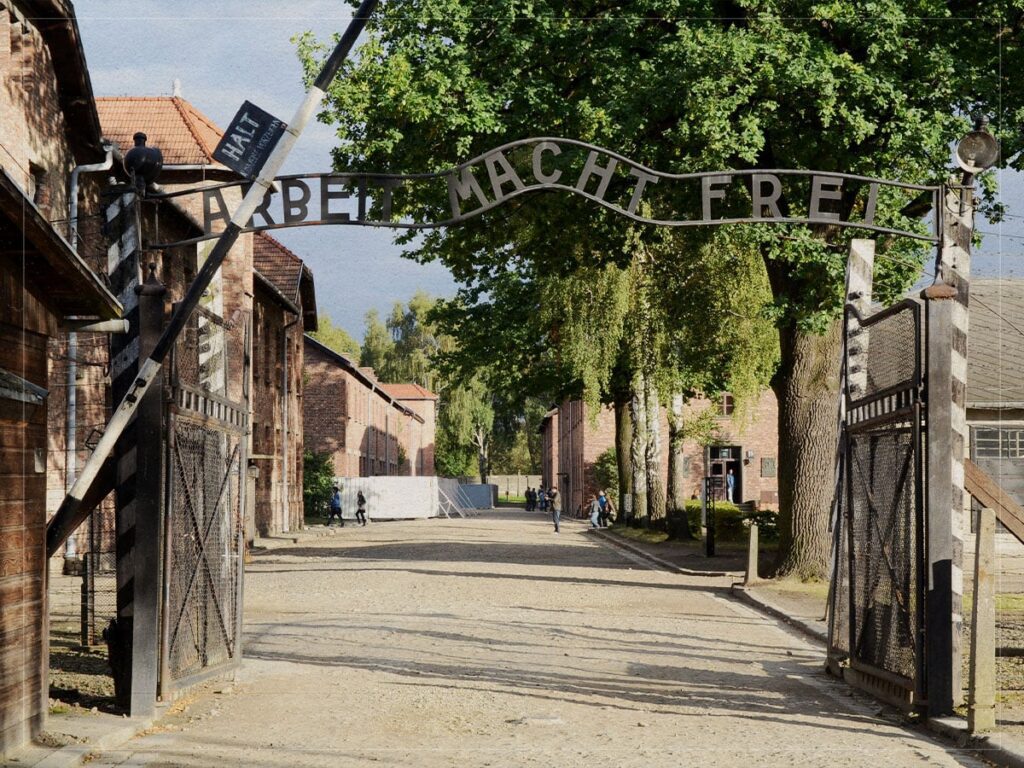
Auschwitz-Birkenau, Poland
In a quiet corner of the Polish landscape sits Auschwitz-Birkenau, the centre of the Holocaust, which in 2024, a staggering 1.83million people visited, making it without a doubt the world’s most well-known dark tourist destination.
Opening in 1940, before a 1941 expansion, this features the administrative centre of Auschwitz I and then Auschwitz II, Birkenau, which was built purely for the eradication and mass-murder of humans, such that over 1.1million people passed through its infamous gates, the majority of whom were Jewish.
Seeing the collection of confiscated belongings, including shoes and glasses, is the worst part, which really brings it home that these weren’t numbers but people with lives, hopes and dreams. From the railway system to the gas chambers, this is industrialised murder and a sobering experience, but one which is worth undertaking to realise the scale of this infamous historical event.
Hashima Island (Gunkanjima), Japan
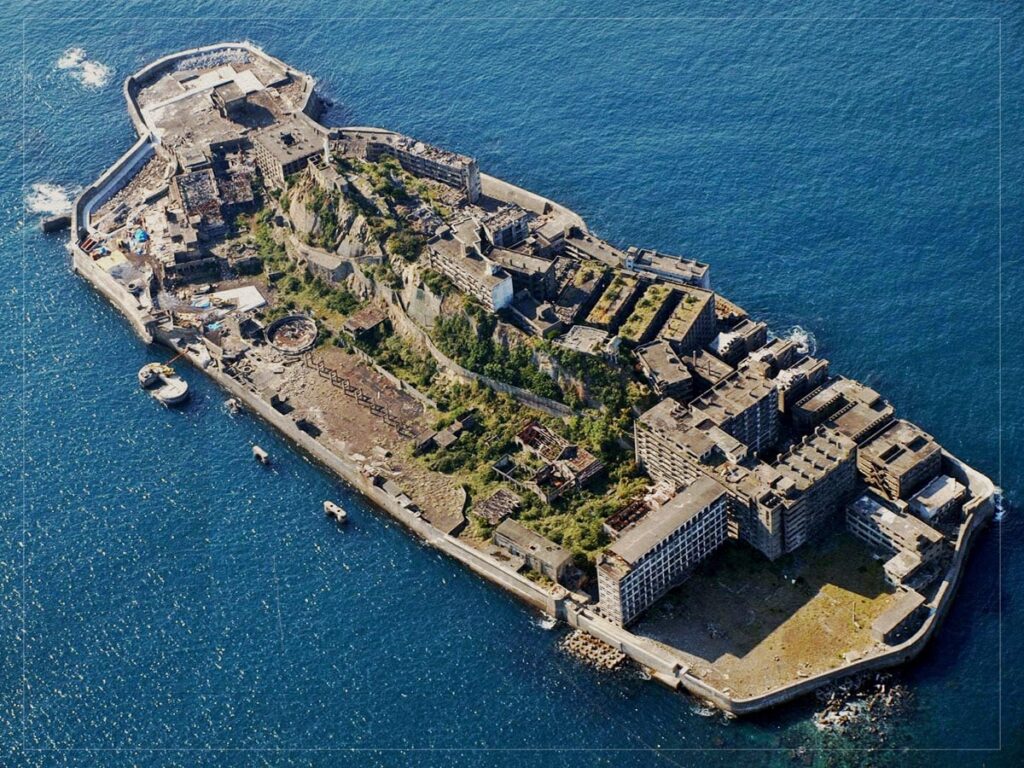
The World Wars make up a lot of the biggest dark tourism destinations and, in the Pacific theatre of war, it was no different, wherein Japan’s role in the war is often discussed in conjuction to Unit 731 in Harbin, China, which is one of the most grotesque, inhumane sites in the world, but it’s Hashima Island that stands out for other reasons.
Unlike Unit 731, this wasn’t a place in which people were experimented on, tortured or mutilated, but this Japanese island, which became a coal-mining facility, was staffed by Korean and Chinese labourers during the war, who were forced to work in dire conditions.
Now the island lies abandoned and was the basis for Raoul Silva’s lair in the James Bond movie Skyfall, getting a new lease of life. While Unit 731 might be the face of evil, Hashima Island represents the mass-exploitation of others under the guise of industry, a sentiment that has only magnified in this capitalist world.
Chernobyl Exclusion Zone, Ukraine
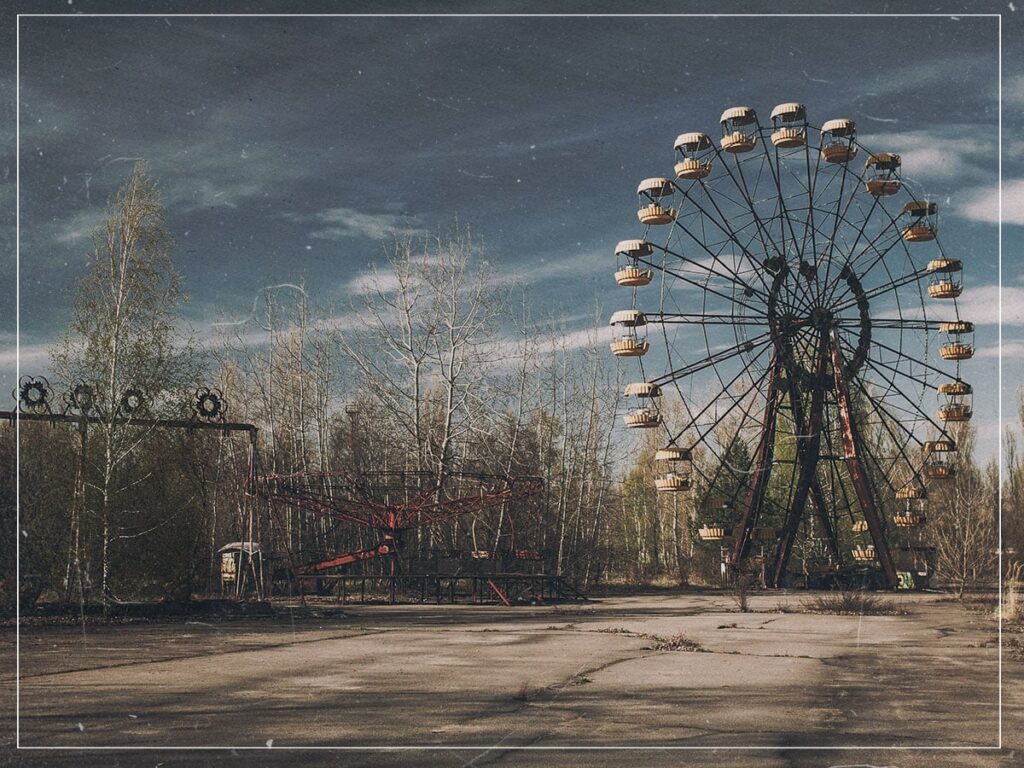
Not all dark tourism spots are the sites of genocides, with Chernobyl being one of the growing numbers that are due to environmental disasters. When reactor number four exploded in April 1986, it set forth a disastrous passage of events, marking it one of the worst nuclear disasters in history as it sent radioactive material across Europe and still causes deaths, with very high rates of certain cancers in both Ukraine and neighbouring Belarus.
Pripyat and other smaller towns were evacuated, with residents told they could return in the coming days, but nearly 40 years later, they still haven’t been allowed home, with tower blocks, schools and even an amusement park now reclaimed by Mother Nature. At present, it acts as both a Soviet time capsule and a nature park with a unique group of animals living in the exclusion zone, including some with genetically mutated ones as a result of the high radiation levels.
It represents nature overcoming everything, as well as acting as a warning about the human cost if governments focus on image rather than safety. Sadly, since the invasion of Ukraine, in which Russian soldiers littered the surrounding forests with landmines, it’s even more dangerous than it was before to visit.
Kolyma Road (Road of Bones), Russia
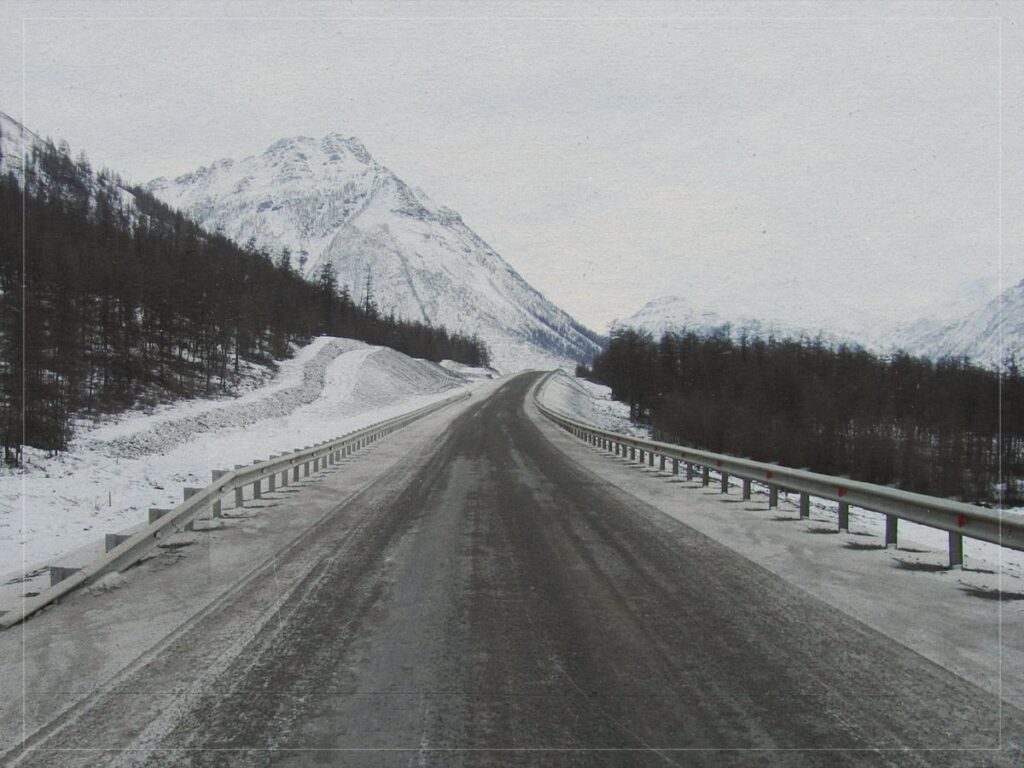
Perhaps a surprising pick, given that it doesn’t even have a monument or a museum, but it’s impossible to ignore the Kolyma Highway, a huge stretch of road that runs for over 1900kilometres through Russia’s Far East.
It’s simply a road that is now used largely for the transportation of supplies, but what makes it a dark tourist destination is how it was built, with Joseph Stalin using forced labour from the USSR’s gulag system to complete the road over 20 years. It’s estimated that between 250,000 and 1,000,000 labourers died, but with limited records, it’s hard to know the exact number.
Building roads in freezing conditions when malnourished and underdressed was always going to end in deaths, but the regime didn’t care, with the road now acting as a functional memorial, one built on the backs of imprisoned labour, and quite literally built on dead bodies and permafrost. This long road in truly remote, hostile and icy conditions offers a quiet glimpse at how evil can manifest itself, and what makes it truly scary is that the violence and death are near invisible, lying under the surface.
The Killing Fields, Cambodia
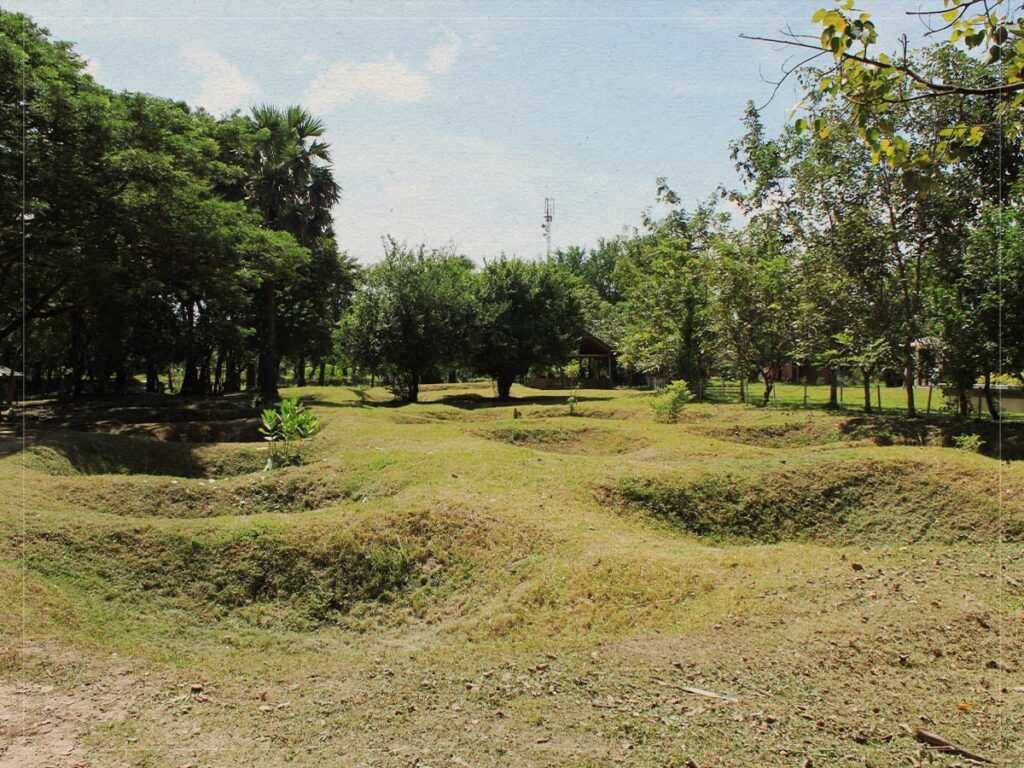
In South East Asia are the Killing Fields, a reminder of one of the world’s most evil acts, wherein over four years, the Khmer Rouge, led by Pol Pot, killed between 1,700,00 and 2,000,000 people. They killed anyone deemed a threat, from minorities to intellectuals, even killing anybody with glasses under the misguided belief that meant they were intelligent.
Tuol Sleng acted as a prison in which people were tortured, with most then taken to the Killing Fields of Choeung Ek, and to say these people were merely executed is perhaps an understatement, with the deaths so gruesome that it makes the experience for visitors far more emotional. Auschwitz offers a terrifying, almost clinical approach to mass murder, but here it was far more violent, with babies clubbed against trees, among other vile acts.
Now you can see not only the museum in what was Tuol Seng, but also the school and even the mass graves in which bodies were thrown as well as the hundreds and thousands of skulls of those who were brutally murdered.