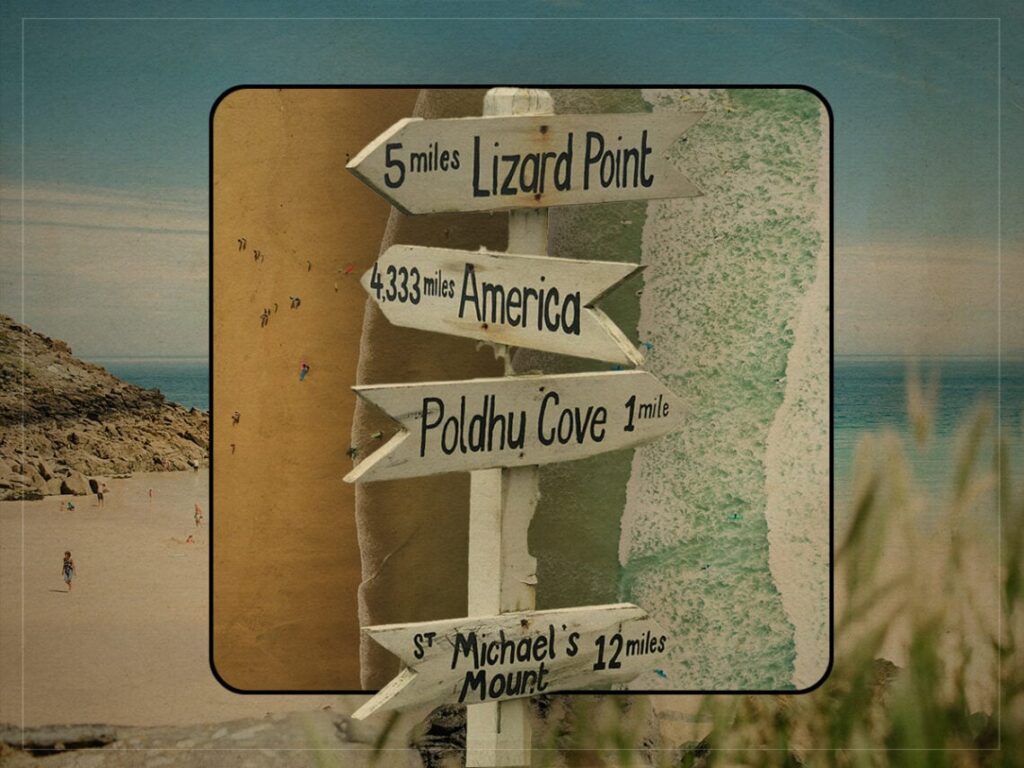
Porthemmet Beach: The beautiful Cornish paradise that doesn’t exist
 Posted On
(Credits: Far Out / Hadyn Cutler)
Cornwall is one of the most picturesque areas of England due to its sand-swept beaches, crashing waves begging to be surfed and, of course, warm pasties, making it a generational holiday hotspot, with an estimated four million vacations in the county each year.
Alongside tourists flocking to the area for its natural beauty, with dazzling seascapes and barren moorland, the Eden Project is a world-leading conservation attraction and the food, particularly the seafood, is amongst the very best in the country.
It goes without saying that tourism makes up a significant part of Cornwall’s economy, with estimates of 15 to 20%, and while that money is hugely important for the county, it’s not all good news, with property prices skyrocketing beyond the means of many locals, as well as issues with traffic and littering.
This has led to rising anti-tourist sentiment and prompted people to fight back, and one such attempt revolves around the perfect, near-tropical looking Porthemmet Beach, a beach so picturesque that it barely looks real…and it isn’t.
What is Porthemmet Beach?
It’s a hoax, a fake beach, a mirage created to bamboozle the county’s tourists, such that when somebody asks you where the best place is to visit in Cornwall, you say Porthemmet Beach, which has perfect golden sand and a warm sea, enticing them with an empty promise.
The name Porthemmet is made up of two Cornish words: ‘porth’, which means cover or harbour, and appears frequently in real place names around the Cornish coastline, such as Porthtowan or Perranporth. The second word, ’emmet’, literarily means ant in Cornish, and is used to describe tourists, and the way they scurry around the area.

The first online mention of Porthemmet Beach comes from a website built in 2007, which looks and sounds like a stereotypical tourist information site, really selling the beach, making it appeal to any holidaymakers looking for somewhere to visit: “Porthemmet is the largest beach in the county. Due to an influx from the Gulf Stream, Porthemmet has very warm waters and looks more like a tropical paradise than a beach in the UK”.
It details how the northern end of the beach is an unspoilt nature reserve, and the best place on the planet to see the “rarest bird in Europe”, the Cornish Chough, the black bird that emblazons the county’s coat of arms. The hoax site continues, saying that the southern part of the beach has incredible nightlife with “beach bars, pubs and clubs”, as well as allowing topless sunbathing. Other attractions include diving, with the surf “attracts surfers from across the globe”, and The Stug, a fictional fishing trawler-cum-sight-seeing-boat that can help holiday makers get an alternate view of the area.
Elsewhere on the site, there are testimonials from the likes of Bill Oddie, local rag The Cornish Times and Jane from Bristol, as well as a location section that is very meta, claiming that some locals try to keep the region secret, so might pretend not to know its whereabouts if you ask them for directions.
Porthemmet Beach lives on beyond that site, with a 4.9 rating on TripAdvisor, with reviews claiming that it’s “like being transported to the Caribbean”, as well as articles from the likes of The Daily Mail bemoaning the prank.
Growing up, I remember hearing about the myth of the beach and the wild goose chase that you could send tourists on as they try to find it. Porthemmet Beach is both a distinctly British piece of humour and a victimless wind-up, as well as being an act of rebellion against tourists who cause harm, as well as economic positives, to the county.
Related Topics