The forgotten album Johnny Marr called the “big, badder brother” of ‘Hunky Dory’
 Posted On
(Credits: Far Out / Andy Cotterill)
If you want to know how to embody hopelessness into music and yet still have it be interpreted by fans as love, just ask Roy Harper.
His track ‘Me and My Woman’ is an extended song released in 1971, which Harper admitted a lot of people have exaggerated over the years. While many hear it and think it’s a grandiose track about loving and being loved, he admitted that it was a bit more depressing than that.
“It’s about the general human condition, nothing to do with the sexes, per se, but more about how we treat each other,” he explained, “As a young man back then, I could see the world was already far from rescueable. That feeling of hope we’d had in the ’60s was gone.”
The way that the song has been misinterpreted is a pretty good reflection of the depth of the album that it comes from. It was one of four songs on Harper’s critically acclaimed Stormcock, which has been praised by plenty of artists because of its musical complexity, the variety of themes which are covered throughout the record, and the way he manages to pack so much into so few songs.
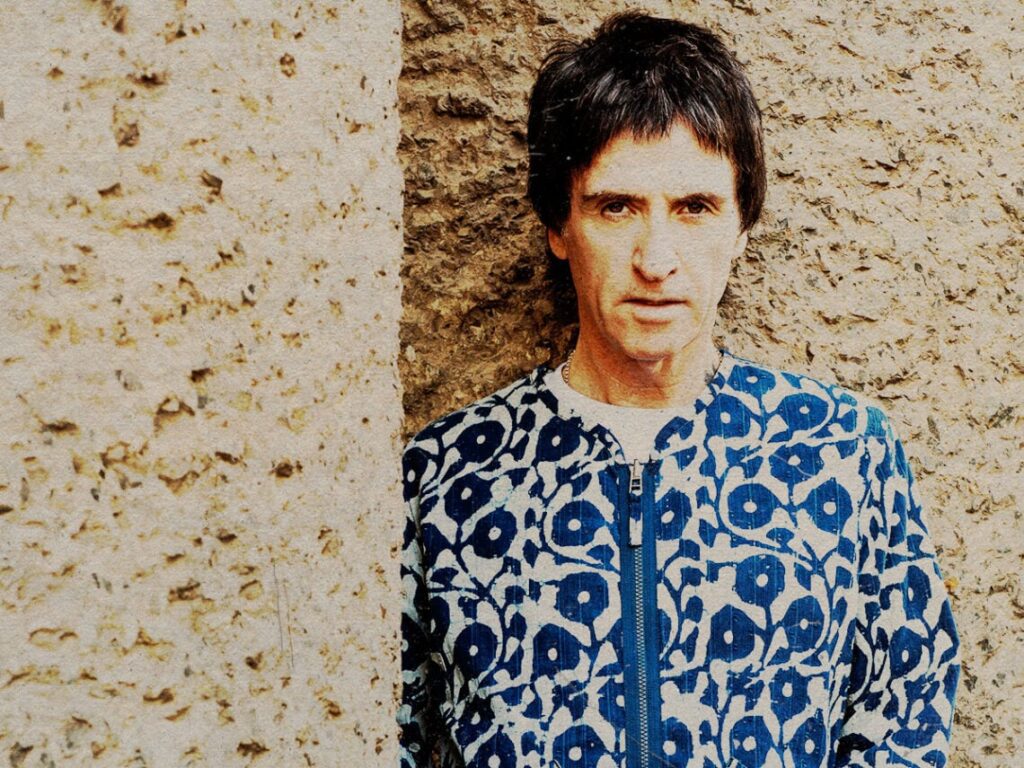
The Smiths were also a band who were always praised for how well they wrote about a variety of emotions within their music. While Morrissey’s vocals helped with this aspect a great deal, it was also Johnny Marr’s songwriting, arranging and guitar playing that really drove their emotional complexity further, proving he can pick out a good record when he hears one, and he heard one in Harper’s Stormcock.
When speaking about the record, he likened it to David Bowie’s early LP Hunky Dory, which is another record that people generally consider a bit ot a classic. “If ever there was a secret weapon of a record, it would be Stormcock,” said Marr, “I don’t know why it’s such a secret. If anyone thinks it might be a collection of lovely songs by some twee old folkie, then they’d be mistaken. It’s intense and beautiful and clever: Hunky Dory’s big, badder brother.”
Marr certainly has a point; these aren’t boring old one-dimensional folk songs, and with just four numbers, Harper is able to span across a range of different themes or emotions that challenge both the human psyche and society as a whole. For instance, ‘Me and My Woman’ is about the way we treat our fellow human beings, meanwhile, ‘The Same Old Rock’ is a protest song which pokes holes in the government, war, and organised religion.
It’s difficult to know what Marr meant when he called the album Hunky Dory’s “Big, badder brother”, but it could be that he’s praising the record for having the versatility of Bowie’s album while also containing slightly darker themes.
However, it’s easy to understand why the album is such a secret, as while those who know the record love it, at the time of release, Harper’s record label despised the album. They tried their best to stop people from hearing it or putting any substantial money into it, about which Harper said, “They hated Stormcock. No singles. No way of promoting it on the radio. They said there wasn’t any money to market it. Stormcock dribbled out.”
[embedded content]
Related Topics