‘Black Is the Color (of My True Love’s Hair)’: How Patty Waters turned a folk song into a waking nightmare
 Posted On
(Credits: Far Out / Album Cover)
By definition, jazz music is meant to be a style that provides complete freedom for creative expression, with artists pouring their heart and soul into every aspect of performance, whether words or just instrumentals. At times, it’s designed to challenge the listener and make them search for beauty within ugliness, and when it leans into the avant-garde, there are moments where this fine line is stretched to the extreme.
Folk music, while often just as expressive, leans more into simplicity rather than trying to blur musical boundaries, so when jazz musicians try to adapt traditional folk songs that were initially sparse in their arrangements, it can often lead to mesmerising, chaotic and harrowing interpretations. There are, of course, moments of darkness in folk music, but the limitations of traditional arrangements and the lack of dynamic or structural shifts make them considerably more accessible.
A song like ‘Black Is the Colour (of My True Love’s Hair)’, with its origins supposedly in Appalachian or Celtic folk tradition, is a relatively simple composition. While the earliest recordings of the song were comparatively straightforward in their arrangements, it was through covers by jazz artists that it was elevated to new heights. The first of whom to record a cover of the song was pianist Phineas Newborn Jr, and then in 1959, Nina Simone introduced it into her repertoire and helped repopularise the song.
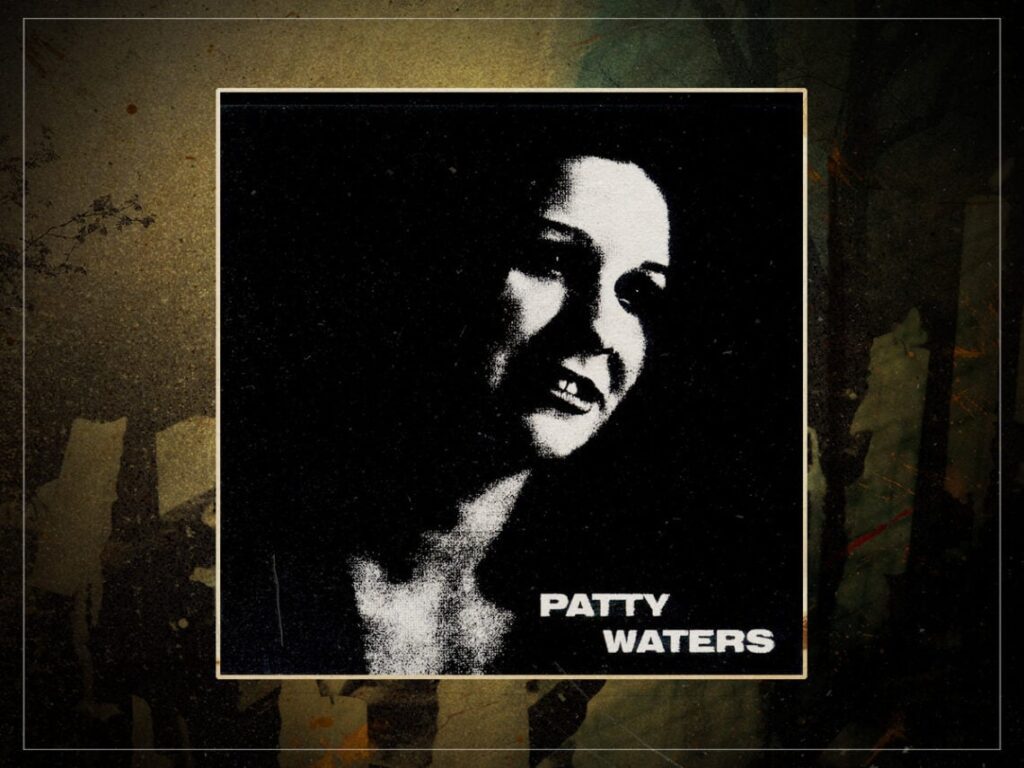
However, these two covers, while less conventional than the traditional arrangement, didn’t take the song to its logical extreme, and their transformations were nowhere near as boundary-pushing, challenging or harrowing as the one that would be recorded in 1965 by 19-year-old vocalist Patty Waters for her debut album, Sings.
For the first half of her debut album, Waters delivers some haunting piano ballads with hushed vocals that feel as though she’s struggling to remember how the compositions go, figuring it out as she goes along. There’s a definite unease to these seven songs, which sound like she’s playing them to an empty and dimly-lit lounge bar, but they’re absolutely nothing compared to the second half of the record, which is taken up by the leviathan 14-minute rendition of ‘Black is the Colour’.
Nothing can possibly prepare the listener for the nightmarish rendition of the folk song, which features the addition of piano harp, bass and percussion, all played in a deeply unsettling and dissonant fashion. Waters’ off-key whispers are enough to send shivers down the spine early on, but then the rumbling bass notes increase the jeopardy slightly before she begins to belt out some sustained shrieks and dissonant howls of the word “black”.
The song’s horrifying aura only increases as it moves on, and if there ever appears to be a moment where the chaos has calmed down, you’ll need to try and brace yourself for another onslaught of the most menacing jazz you’ve ever heard. Waters’ voice ranges from guttural growls to piercing, banshee-like wails, to short, sharp bleats, and the free yet atonal accompaniment only instils greater uncanny in the listener.
While composers for horror films know how to create an unnerving score for the most grisly pictures, this song manages to create the scene all by itself, conjuring the image of a woman descending into a state of mania, having all of her deepest fears exorcised and ripped from her body. You can sense Waters getting weaker after every scream and every freakout, only for her to be stricken once again by her plight and overcome by this debilitating inner demon.
After the release of Sings in 1966, she vanished from music altogether for three decades, leaving behind only one album and a string of collaborations with the likes of Miles Davis and Albert Ayler. Many have built their own mythologies about her disappearance based on the darkness of this song, believing that she was completely consumed by her rendition, which left her unable to perform again. The simple reality was that she chose to raise a family away from the music industry.
Save for a comeback album in 1996 and some sporadic live appearances, Waters’ career after Sings was limited. However, the impression that she left with this demonic performance is said to have made its mark on several other artists, with Diamanda Galás, Patti Smith and Kim Gordon commending the teenage singer for delivering emotions that even the most weathered and wisened elder statesmen of folk couldn’t manage to express, and triggering a deep, emotive reaction.
There are times you forget that you’re listening to a cover, due to how Waters’ interpretation of the song diverts so far from the original structure and melody, and there are times where the horror seems so real that you feel as though you shouldn’t be privy to listening to it. It’s primal, guttural, and downright debased in its presentation, but this version of ‘Black is the Colour’ is perhaps one of the most compelling and eye-opening renditions of a simplistic folk song taken beyond the brink of insanity. Simone’s version may soothe you or make you weep, but the Waters version will have you cowering in the corner for a considerable amount of time.
[embedded content]
Related Topics