Murders, movies, and punk experiments: The bizarre story of The Clash’s ‘Red Angel Dragnet’
 Posted On
(Credits: Far Out / Alamy)
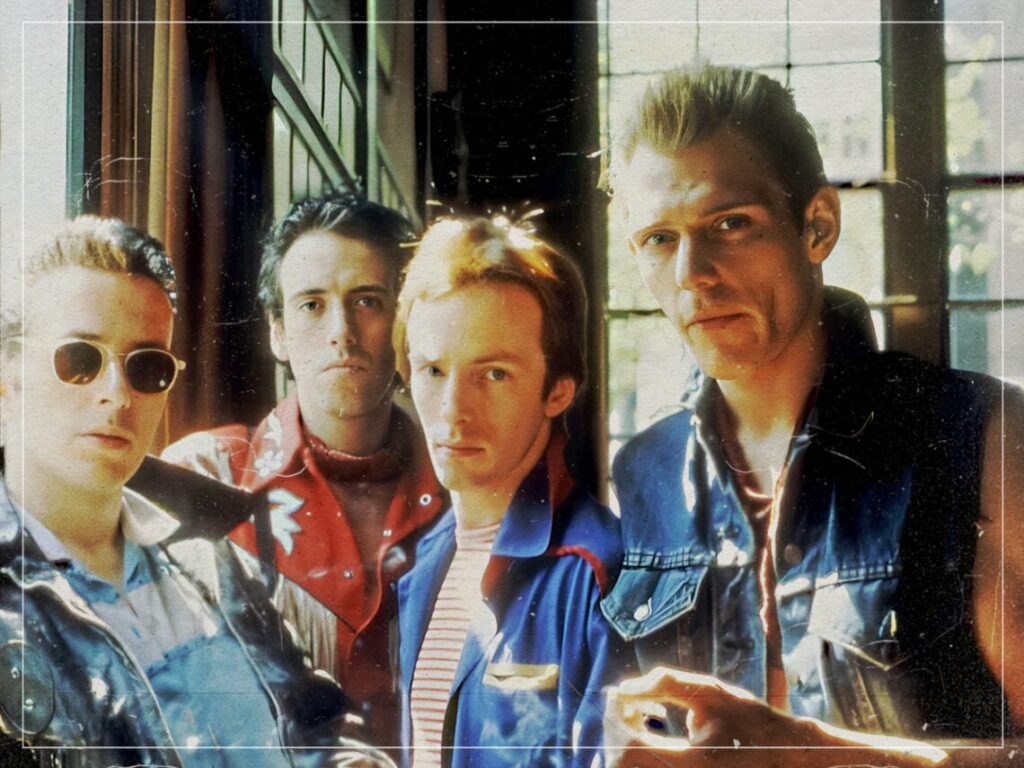
From armageddon times to backstreet prostitution, the discography of The Clash is among the most thematically diverse ever produced by the punk rock scene. The explosion of punk during the mid-1970s brought with it a wealth of new sounds and artists, but the scene’s DIY mentality and ‘here’s three chords, now form a band’ manifesto meant that the sounds of the scene became overly repetitive within a few short years. The Clash, on the other hand, were consistently experimenting and diversifying their sound, resulting in tracks like ‘Red Angel Dragnet’.
The Clash’s musical experimentation was evident from their very first releases, with their 1977 debut album featuring elements of ska, dub, garage rock, and rockabilly alongside their typically abrasive punk roots. Resulting from the diverse listening habits of the band members themselves, this expansive sound only seemed to expand further as their discography progressed. By the early 1980s, their records drew upon everything from Mick Jones’ early adoption of hip-hop to the jazz training of drummer Topper Headon.
One of the band’s most experimental and sonically diverse efforts was the much-maligned Combat Rock track ‘Red Angel Dragnet’. Joe Strummer only provides backing vocals on the track, leaving Paul Simonon to have his day in the sun as a vocalist, alongside The Blockheads’ Kosmo Vinyl, who features on the recording. A true outlier within the band’s discography, the song draws upon everything from jazz and reggae rhythms to the political inspiration of Martin Scorsese’s Taxi Driver. However, it is that individuality which forms the bulk of the song’s appeal.
Reportedly, the song was initially inspired by the murder of 26-year-old Frank Melvin in December 1981. Melvin belonged to the volunteer crime prevention organisation Guardian Angels, and he was shot in the chest by a New Jersey police officer in a racially-motivated incident, which the police force then attempted to cover up. Although in more recent years, the Guardian Angels themselves have since been accused of brutality and discrimination, the murder of Melvin reflected the level of police brutality and discrimination during the 1980s.
The Clash, who called out racist attitudes and police discrimination from the earliest days of their career, quickly set about writing a track inspired by this divisive murder. ‘Red Angel Dragnet’ was the result, but the topic of Melvin’s racially-motivated murder was bizarrely interspersed with soundbites of Vinyl doing a lacklustre impersonation of Travis Bickle, Robert De Niro’s character in Taxi Driver. This makes the track, particularly the version included on Combat Rock, one of the band’s strangest compositions.
In total, four versions of ‘Red Angel Dragnet’ exist: an early demo featured on Rat Patrol From Fort Bragg, another demo featuring guest vocals from The Beat’s Ranking Roger, the Combat Rock version, and a much shorter version from Clash on Broadway. Each of these recordings has its own merits, and each sounds vastly different from the other, speaking to the expansive experimentation featured on the song.
‘Red Angel Dragnet’ continued the band’s experimental efforts featured on Sandinista!, and that made the song something of an oddity on Combat Rock, one of The Clash’s finest records. As such, the track is often denounced as a lone dud on the record’s tracklisting,but it also among the band’s most inventive and ambitious efforts.
Ultimately, is ‘Red Angel Dragnet’ one of The Clash’s greatest compositions? No, absolutely not. However, it is certainly deserving of much more praise than it is often afforded. After all, it was the ambitious experimentation of The Clash that set them apart from the rest of the punk landscape and afforded them the enduring career that led to groundbreaking albums like London Calling and Combat Rock. ‘Red Angel Dragnet’ showcases that experimentation perfectly, and continues the band’s dedication to creating music that is both politically active and musically inventive.
[embedded content]
Related Topics