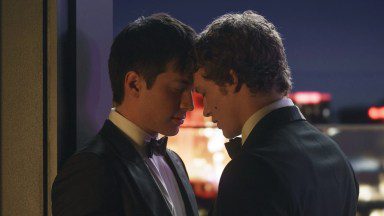
‘The Right Profile’: The Clash song inspired by Montgomery Clift and a broken jaw
 Posted On
(Credit: Press)
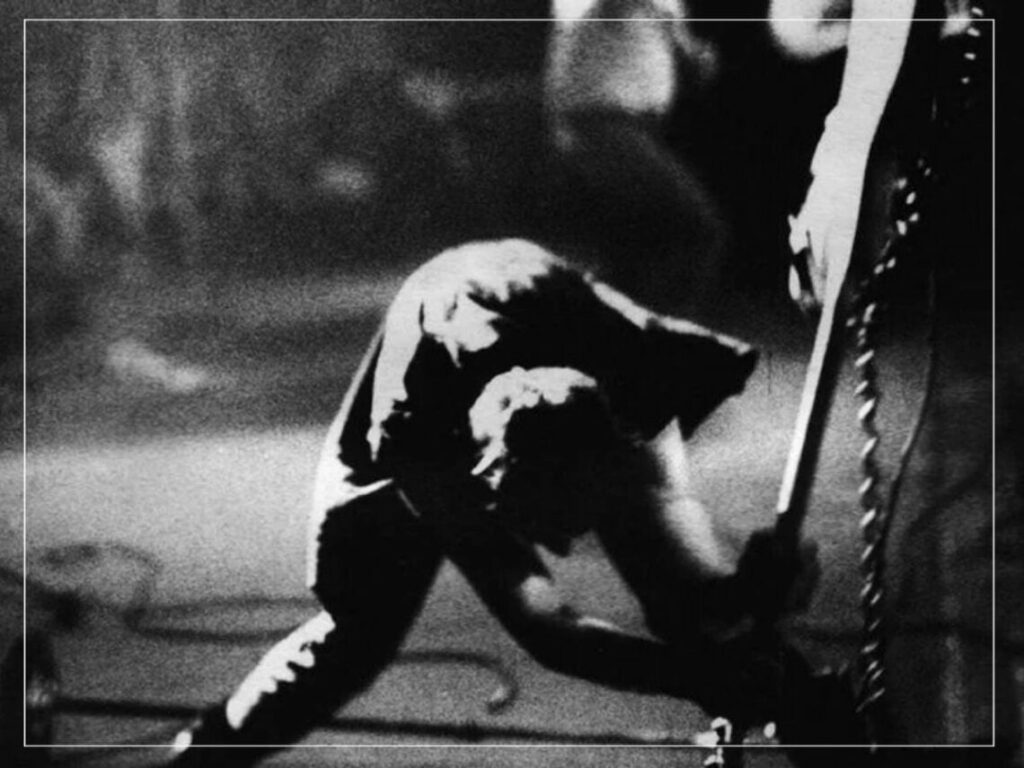
For a band whose work could be so radical and political that they were often described as ‘The Only Band That Matters’, the music of The Clash was inspired by more than just the politics of the day. There are Clash songs about romantic tribulations, music industry backstabbing and more than a few numbers inspired by classic Hollywood. This is, after all, a band that named one of their most beloved songs ‘The Magnificent Seven’.
However, one of their tracks most inspired by the silver screen comes not from a story told on it, but by an actor who made his name there. In the late 1940s, Montgomery Clift was one of the most exciting actors in Hollywood. A classically trained, Broadway-honed theatre actor whose astonishing good looks and genuine charisma made him a natural fit for the big screen.
Clift made his feature film debut in the John Wayne western Red River, and his second appearance in The Search secured him a nomination for ‘Best Actor’ at the Academy Awards. The man had the whole world at his feet, and as the 1950s dawned, his becoming the ‘King of Hollywood’ seemed the easiest bet in the entire world. However, his personal life was as catastrophic as his professional life was successful.
To combat the stress of hiding his homosexuality, Clift turned to pills and alcohol, developing an intense addiction to both. His downward spiral culminated in 1956 when, upon leaving a party hosted by his close friend, Elizabeth Taylor, he was extensively injured in a horrific car crash. One so bad that his broken jaw, broken nose, fractured sinuses and fractured cheekbones were actually him getting off easy.
How did this story influence The Clash?
This was the start of a downward spiral that followed Clift all the way until his death. He spent two months in the hospital, undergoing extensive plastic surgery to correct his numerous facial injuries. The doctors did the best they could, given the state he was in, and he could look much the same as he did before, but only if he was shot from “the right profile”.
Clift was never the same after that. His substance abuse only got worse since he now needed a cocktail of pain medication to get out of bed. As the decade went on, his struggles became more and more public, alienating anyone close to him professionally and personally, making him a prime subject of tabloid mockery. He was still able to turn it on, as can be seen in his astonishing performance in Judgment at Nuremberg, but his time as a leading man was up.
In 1966, a period of time that acting teacher Robert Lewis described as “the longest suicide in Hollywood history” came to a close as Clift passed away in his Manhattan townhouse. A little over a decade later, writer Patricia Bosworth turned his life story into a biography, released in 1978, one that was read by producer Guy Stevens, who would later man the boards for The Clash’s masterpiece, London Calling.
When singer and songwriter Joe Strummer was looking for songwriting inspiration, Stevens pressed the book into his hands, saying, as recalled by the band’s tour manager Johnny Green in the liner notes for the compilation album Clash On Broadway, “If you’re going to write a song about somebody, write one about Montgomery Clift!”
Words that Strummer took to heart, and in doing so, created one of the most celebrated songs on one of the best albums of the 1970s, offering a fitting tribute to a talented man with a tragic life.
[embedded content]
Related Topics